


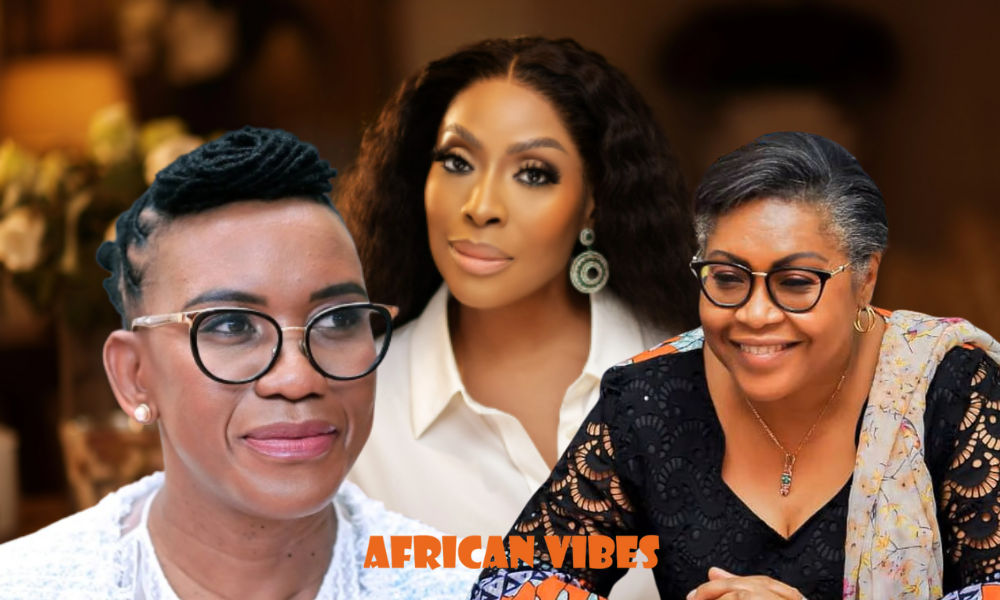
In 2025, power no longer wears a single face—or speaks with a single accent. As the world grapples with economic realignments, geopolitical uncertainty, and cultural redefinition, African women are no longer asking for inclusion in global decision-making. They are shaping it.
Forbes’ newly released 2025 World’s 100 Most Powerful Women list underscores this shift. Six African women—spanning global trade, finance, media, and national governance—have secured their places among the world’s most influential figures. Their presence is not symbolic. It reflects authority earned, systems transformed, and futures reimagined.
From Geneva to Johannesburg, Windhoek to Kinshasa, these women are redefining what leadership looks like in a rapidly changing world—and positioning Africa at the center of that transformation.
The Research Digest: Why This Recognition Matters
Key Highlights
- Historic Political Firsts: Two honorees—Netumbo Nandi-Ndaitwah (Namibia) and Judith Suminwa Tuluka (DRC)—became the first women to lead their nations’ executive governments within the past year.
- Economic Powerhouses: Collectively, these leaders oversee institutions employing more than 200,000 people and managing billions of dollars in assets and market capitalization.
- Resilient Representation: At a time when global female representation in power has plateaued, Africa’s presence on the list remains strong.
- Media Sovereignty: Mo Abudu stands as the only African media mogul on the list, reinforcing the strategic importance of African-owned storytelling.
- Cross-Sector Influence: The honorees span international policy, finance, media, and governance, highlighting the breadth of African women’s leadership today.
Key Stakeholders
The African Union, World Trade Organization (WTO), FirstRand Group, Bidvest, EbonyLife Media, and the governments of Namibia and the Democratic Republic of Congo.
The Guardians of a New Era: Africa’s Power Six
1. Dr. Ngozi Okonjo-Iweala (Nigeria)
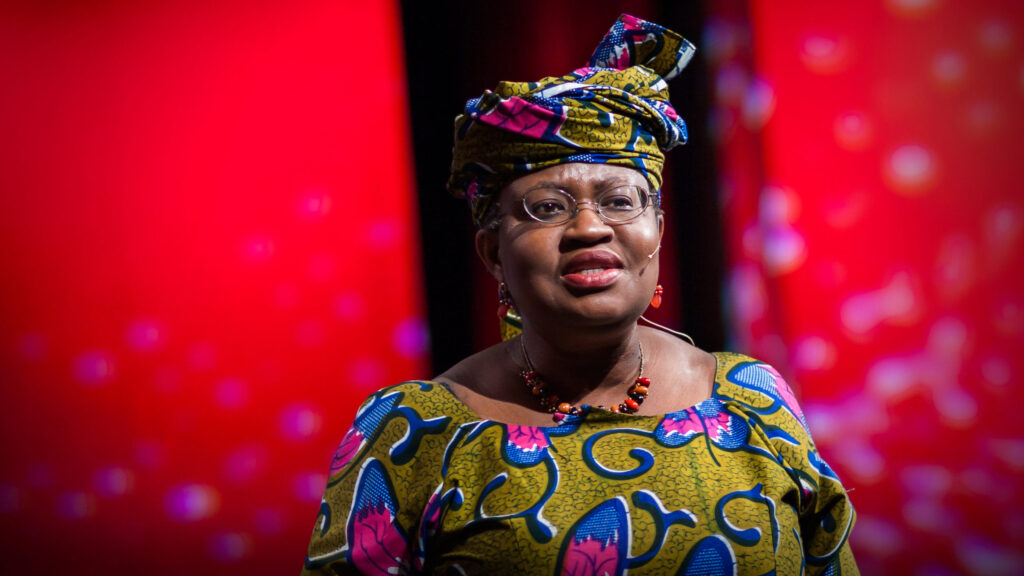
Director-General, World Trade Organization
Appearing on the Forbes list of Powerful Women for the eighth time, Dr. Ngozi Okonjo-Iweala remains Africa’s most influential global economic stateswoman. Reappointed to a second term as WTO Director-General in late 2024, she has spent 2025 championing a fairer, rules-based global trading system—one that protects developing economies from structural disadvantage.
From vaccine equity to sustainable fisheries and trade reform, Okonjo-Iweala’s leadership proves that global policy can—and must—work for the world’s most vulnerable nations. In a fractured global economy, her steady hand continues to anchor multilateral cooperation.
ALSO READ: Women Empowerment Through Sustainable Entrepreneurship The Uzuri K&Y Story
2. Mo Abudu (Nigeria)
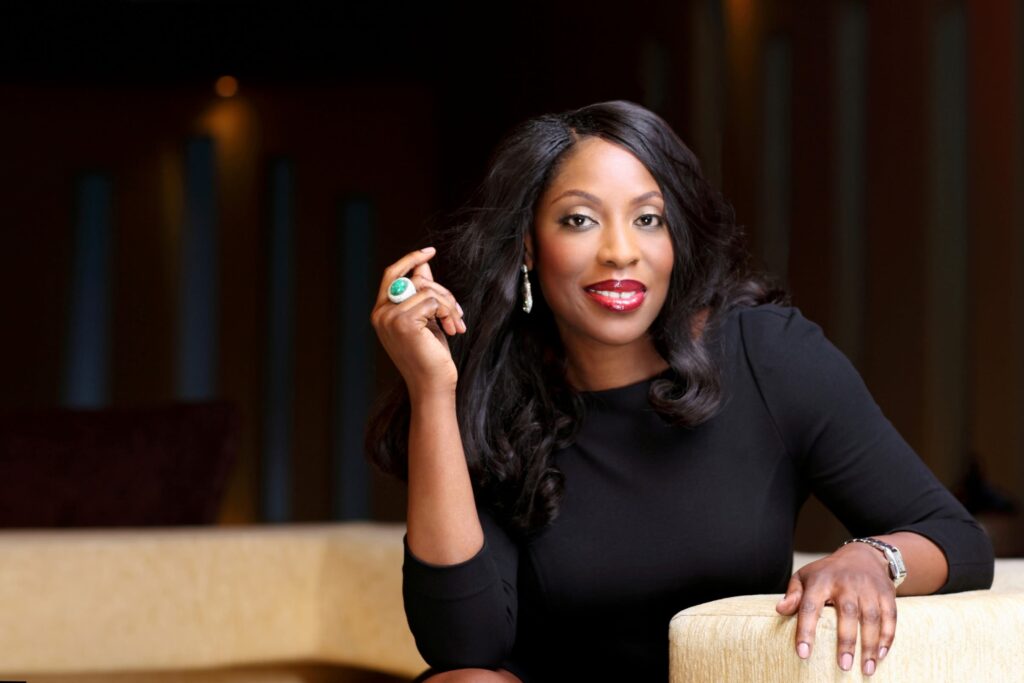
Founder & CEO, EbonyLife Media
Mo Abudu has moved African storytelling from the margins to the global mainstream among Powerful women. As the founder of EbonyLife Media, she has built not just content, but infrastructure—ensuring African creators retain ownership, control, and profit from their narratives.
Her $50 million Afro Film Fund, launched in 2025, marks a watershed moment for African cinema, offering long-denied access to capital for filmmakers across the continent. Abudu’s influence proves that cultural power is economic power—and that Africa’s stories are best told by Africans themselves.
3. Mpumi Madisa (South Africa)
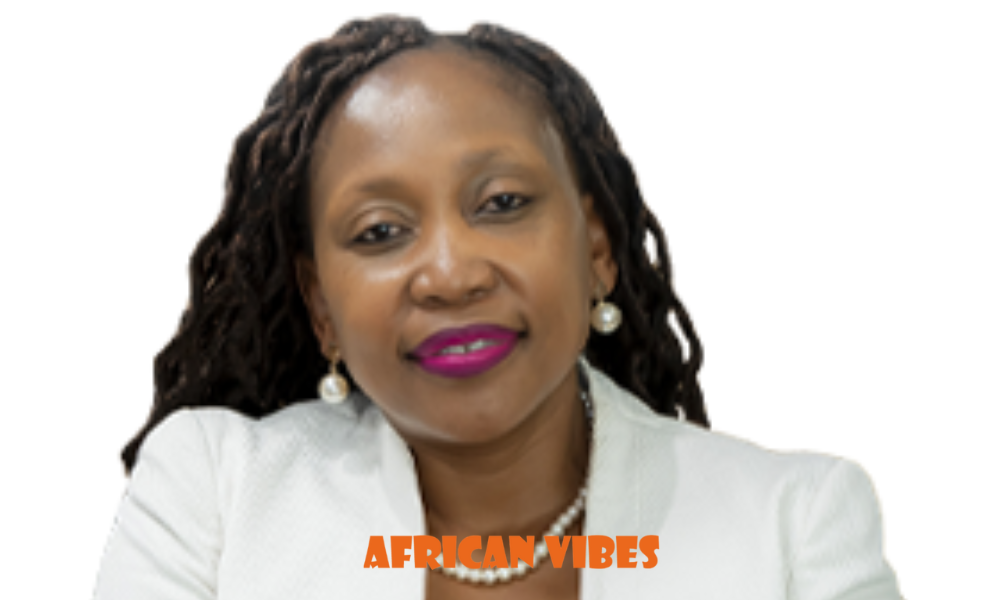
CEO, Bidvest Group
At the helm of one of South Africa’s largest conglomerates, Mpumi Madisa leads more than 130,000 employees across multiple sectors. In 2025, she has been widely credited with steering Bidvest through global volatility while maintaining strong ESG commitments and operational discipline.
Her journey—from junior manager to CEO of a top-40 JSE-listed company—has become a blueprint for inclusive corporate leadership in Africa. Madisa represents a new generation of Powerful women executives proving that scale, sustainability, and social responsibility can coexist.
4. Mary Vilakazi (South Africa)
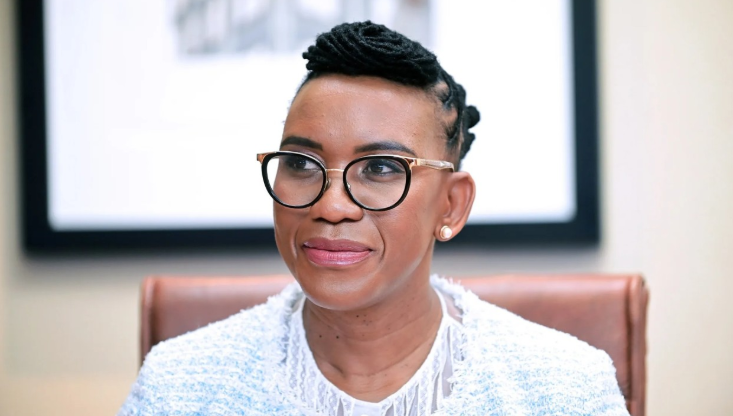
CEO, FirstRand Group
In April 2024, Mary Vilakazi made history as the first woman and first Black CEO of FirstRand Group in its 185-year history. By 2025, she has firmly established herself as one of Africa’s most respected financial leaders.
Under her leadership, FirstRand has deepened its focus on digital transformation and financial inclusion, maintaining its status as Africa’s largest financial services firm by market value. Vilakazi’s success signals a broader shift—where African financial institutions modernize without abandoning their social mandate.
5. Netumbo Nandi-Ndaitwah (Namibia)
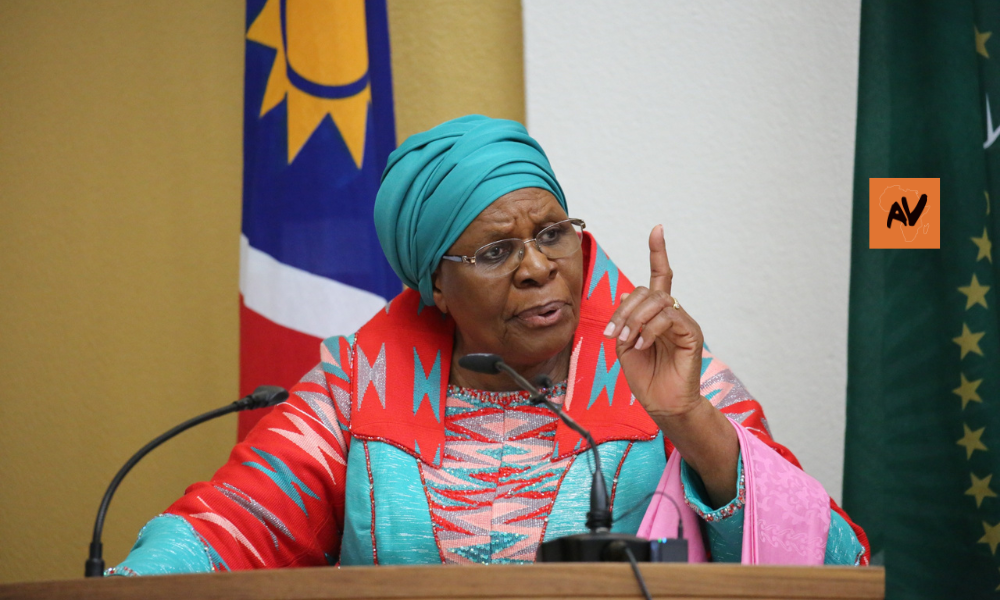
President of Namibia
Sworn in as Namibia’s first female president in March 2025, Netumbo Nandi-Ndaitwah brings decades of political experience rooted in the liberation struggle. Her early presidency has focused on fiscal discipline, debt management, and administrative efficiency.
Her inclusion on the Forbes list of Powerful women reflects not only her leadership, but Namibia’s reputation for stability and democratic continuity. Across the SADC region, Nandi-Ndaitwah stands as a powerful symbol of women’s political participation, translating into executive authority.
6. Judith Suminwa Tuluka (Democratic Republic of Congo)
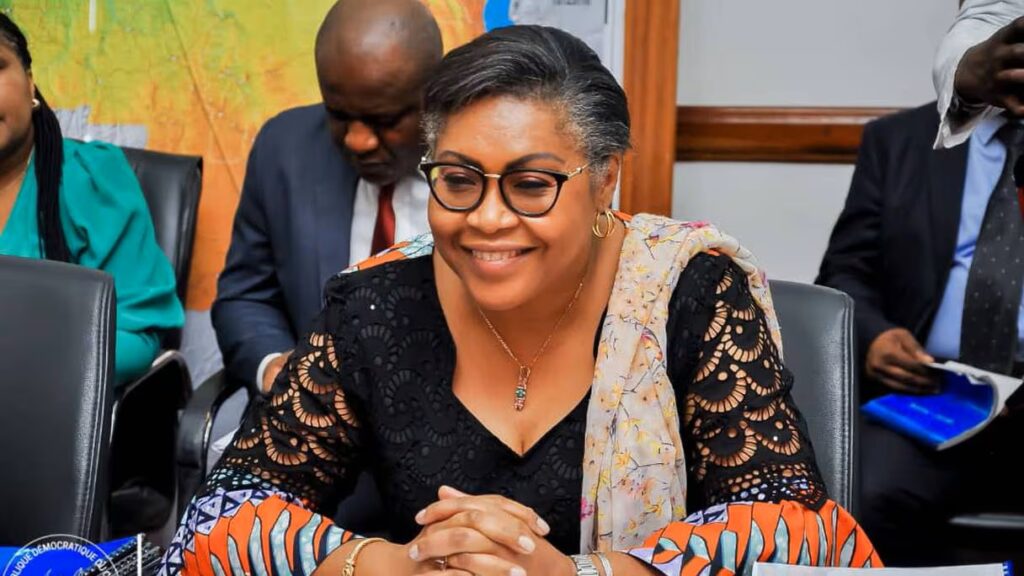
Prime Minister of the DRC
Appointed in June 2024 as the first female Prime Minister in the DRC’s history, Judith Suminwa Tuluka entered one of Africa’s most complex political landscapes armed with economic expertise and reformist resolve.
In 2025, her agenda has prioritized budget transparency, public finance reform, and institutional accountability—critical pillars for a country rich in resources yet burdened by governance challenges. Tuluka represents a decisive shift from rhetoric to reform.
ALSO READ: Hormonal Birth Control And The Hidden Toll on Women’s Health
Why This Moment Matters for Africa
This recognition is more than symbolic. It reflects a deeper transformation in how power is exercised across Africa—one where leadership increasingly aligns with inclusion, sustainability, and long-term development.
When women lead financial institutions, investment priorities often shift toward community impact. When women lead media, narratives evolve from stereotypes to authenticity. When women govern, the focus moves from political theater to institutional strength.
Yet these leaders operate within systems that were rarely designed for them. Their success is not accidental—it is earned through resilience, competence, and strategic compromise.
Conclusion: Power as a Torch, Not a Trophy
The rise of these six Powerful women signals more than individual achievement—it marks a continental inflection point. Power, after all, is not finite. It grows when shared, modeled, and passed on.
For the girls watching from classrooms in Lagos, Windhoek, Kinshasa, and Johannesburg, the message is unmistakable: leadership is no longer an exception—it is an expectation.
As Africa moves deeper into the 21st century, these Powerful women are not simply keeping pace with global change. They are helping define it.