


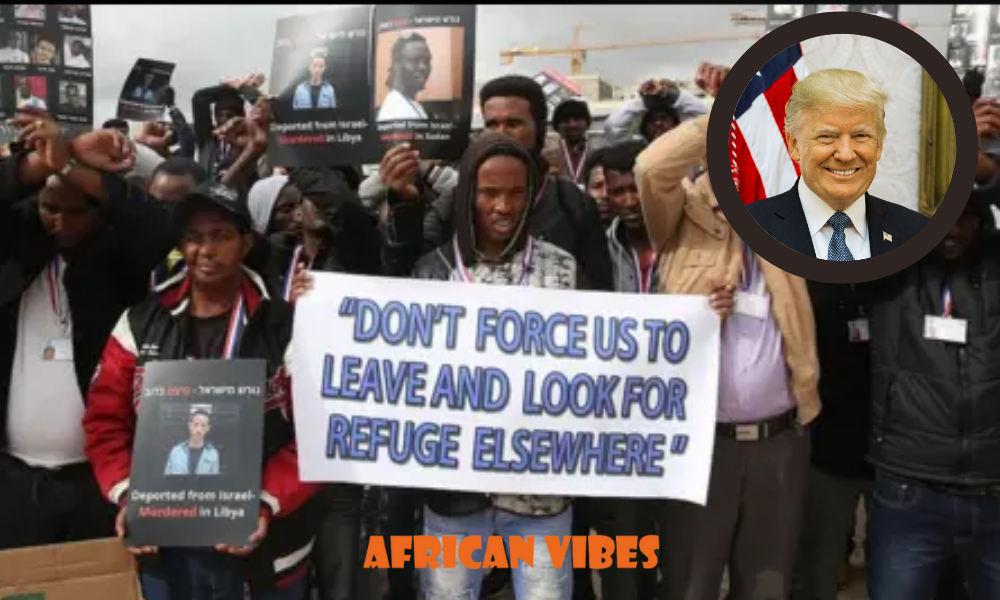
Deportation, once a matter of legal frameworks and bilateral repatriation agreements, has evolved into a transactional tool of geopolitics. In a new and controversial trend, the United States is striking “third-country deportation deals” with African nations, sending deportees not back to their home countries but to entirely unrelated states.
These agreements, negotiated behind closed doors, are reshaping the politics of migration while raising urgent questions about sovereignty, human rights, and the ethics of outsourcing deportation.
From Legal Frameworks to Political Transactions
Traditionally, deportation was governed by international frameworks like the International Prisoner Transfer Program (IPTP), ensuring convicted individuals served sentences in their home nations.
But this system has been eclipsed by a far more contentious model. Under the new paradigm, deportees are sent to countries with which they share no cultural, linguistic, or familial ties. Officials justify the practice as a “practical solution” when home countries refuse to accept their nationals. Critics, however, view it as migration outsourcing—a transactional system where aid, trade concessions, and political leverage drive cooperation.

U.S. Migration Diplomacy: Sanctions and Incentives
The United States has weaponized visa restrictions, aid, and trade negotiations to pressure countries into compliance.
- South Sudan – Accepted eight deportees, only one a South Sudanese citizen. Officials called it a “gesture of goodwill,” but analysts suggest the move was a bid for broader sanctions relief, including the lifting of an arms embargo.
- Eswatini – Took in five deportees labeled by U.S. officials as “barbaric criminals.” Analysts believe the monarchy was rewarded with trade concessions and muted criticism of its human rights record.
- Rwanda – Agreed to host up to 250 “vetted” migrants. This mirrors its 2022 UK deal—later struck down by Britain’s Supreme Court over non-refoulement concerns. Rwandan officials promise housing, healthcare, and job training for deportees, but human rights groups remain skeptical given the government’s track record on dissent and press freedom.
- Uganda – Already one of the world’s largest refugee hosts, Uganda signaled willingness but with conditions: no minors, no individuals with criminal records, and a preference for deportees of African origin. Critics argue President Yoweri Museveni is leveraging the deal to ease U.S. pressure over human rights abuses.
Countries resisting U.S. deportation pressure—including Ghana, Guinea, Sierra Leone, and Eritrea—have instead faced visa sanctions.
ALSO READ: Trump’s White South African ‘Refugees’ Get Red Carpet Treatment At The Airport
African Nations Calculated Gamble
For African governments, participation is both opportunity and risk.
- Opportunities: foreign aid, trade benefits, and a chance to reposition themselves as strategic players in global diplomacy.
- Risks: domestic backlash, strained social services, and reputational damage for enabling opaque deals often described as neo-imperial bargains.
The calculus is complex: cooperation can yield immediate rewards but risks entrenching unequal partnerships reminiscent of colonial-era power dynamics.

Human Cost of Transactional Deportation
Beneath the high-level negotiations lies a profound human toll. Deportees sent to third countries often face:
- Isolation – arriving in places where they have no ties or support.
- Stigma – rejection and discrimination as outsiders.
- Economic hardship – barriers to work, housing, and healthcare.
- Psychological distress – trauma, depression, and anxiety linked to forced displacement.
Legal challenges in both Eswatini and the U.S. argue these agreements violate due process rights and undermine the principle of non-refoulement, which prohibits transferring individuals to unsafe conditions.
ALSO READ: Rwanda and DRC Ink Historic Peace Accord, Paving Way for Regional Prosperity
Outsourcing Migration: A Neo-Imperial Trend?
Critics contend that these deportation deals are less about migration control and more about power asymmetry. Wealthy nations, they argue, are effectively outsourcing their migration problems to poorer states, with little transparency or accountability.
This practice—dubbed “migration diplomacy”—risks reducing vulnerable people to bargaining chips in geopolitical trade-offs. For many observers, it echoes a form of modern neocolonialism, where Africa becomes the solution to crises it did not create.
ALSO READ: United Nations Agencies Set to Call Nairobi Home
The Path Forward
Africa’s acceptance of foreign deportees marks a watershed moment in global migration policy. It underscores the continent’s importance but also reveals the dangers of transactional politics that treat human lives as negotiable assets.
The challenge now is for African nations to respond with unity, vision, and transparency—not as passive recipients of Western crises, but as equal partners shaping the future of global migration.