


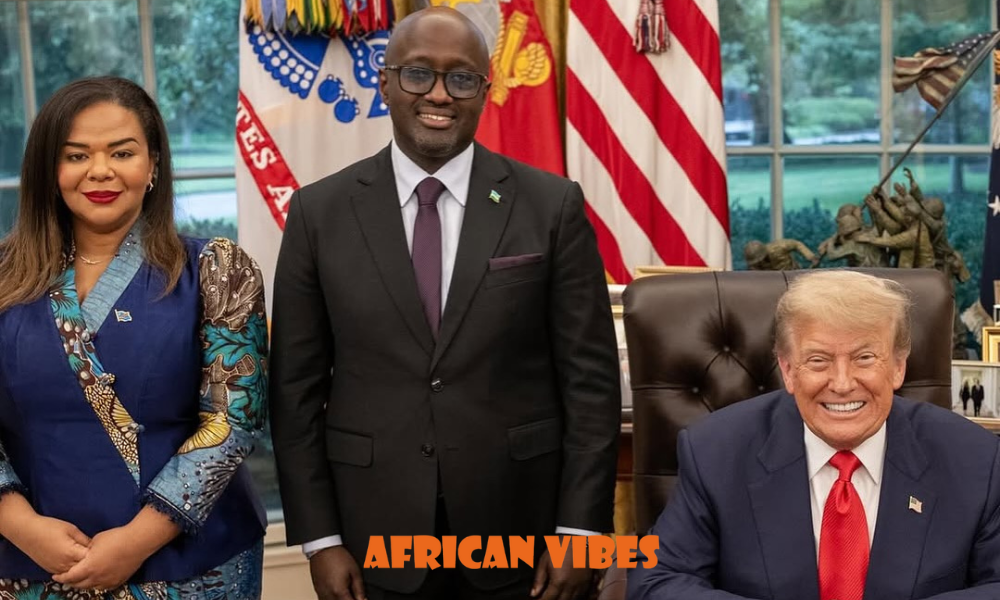
In a ceremony staged for global cameras, U.S. President Donald Trump announced what was billed as a breakthrough for Central Africa: a peace agreement between the Democratic Republic of Congo (DRC) and Rwanda. Branded the “Washington Accord,” the deal pledged the withdrawal of Rwandan troops, an end to rebel support, and joint security cooperation. For a region scarred by decades of violence and displacement, it was presented as a long-awaited dawn of stability.
But months later, Eastern Congo remains engulfed in conflict. Gunfire continues to echo across villages, and displacement numbers keep rising. This raises an urgent question: was the Washington Accord a genuine path to peace, or a calculated move to secure access to Africa’s critical minerals?
Background: A Conflict Rooted in History and Resources
The DRC-Rwanda conflict cannot be understood without revisiting the aftermath of the 1994 Rwandan Genocide. Millions of refugees—including some perpetrators—fled into eastern Congo, destabilizing a fragile region. Rwanda’s interventions, initially framed as security operations, morphed into prolonged proxy wars. Rebel groups such as the M23 became central players, perpetuating cycles of displacement, massacres, and exploitation.
At the heart of the struggle lies Congo’s immense wealth in coltan, cobalt, gold, and tin—resources critical to global supply chains for smartphones, batteries, and renewable energy technologies. These so-called “conflict minerals” have long fueled fighting, making peace not just a humanitarian concern but also a high-stakes geopolitical contest.
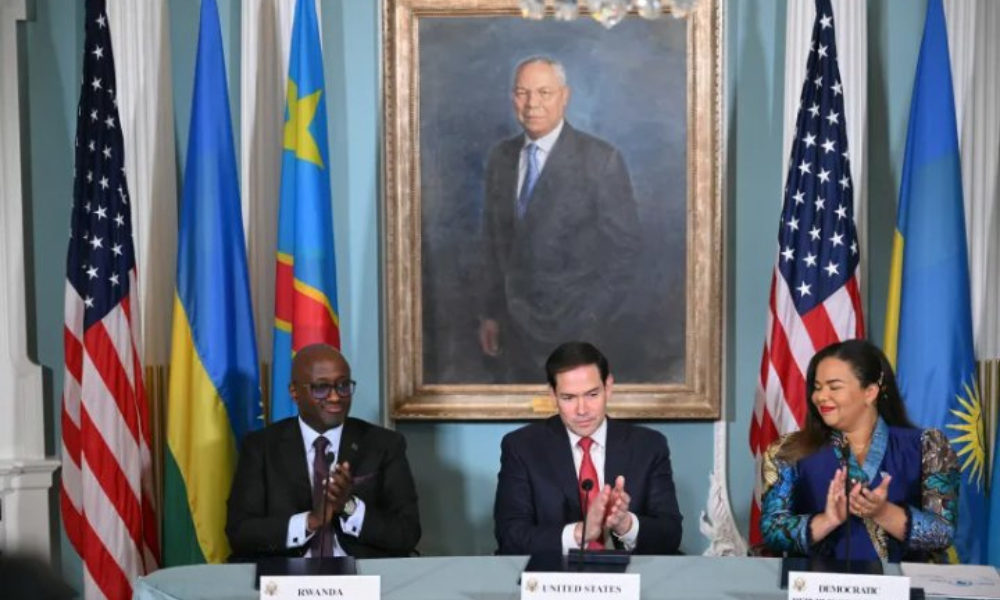
The Washington Accord: Promises vs. Reality
The Accord rested on three pillars:
- Withdrawal of Rwandan troops from eastern DRC.
- Cessation of support for armed groups, including the FDLR and M23.
- Regional economic integration with U.S. backing.
Initially, optimism surged. Oversight committees were formed, and both governments ratified the deal. But reports soon surfaced of Rwandan forces still active in the region and M23 rebels consolidating territory. Meanwhile, the Congolese government dragged its feet on tackling the FDLR.
Most critically, the M23 rebels themselves were never signatories. Their continued military campaigns expose the deal’s structural weakness: it ignored the actors wielding real power on the battlefield.
ALSO READ: Ghana’s Deportee Deal Sparks Rights Lawsuit and Pan-African Backlash
Beyond Peace: Transactional Diplomacy and Minerals
The Washington Accord was more than a peace initiative—it was a strategic transaction. By linking security cooperation to U.S. investment in critical minerals, the Trump administration framed peace as a byproduct of economic leverage. This was also a clear bid to counter China’s dominance in African mining and infrastructure.
For Washington, stability in Congo was not simply about protecting civilians—it was about securing cobalt for electric vehicles and coltan for microchips. While some argue that economic incentives can drive peace, others see this as a modern echo of resource colonialism, reducing African nations to suppliers for global powers.
This raises unsettling questions: Can peace last if it is built on resource access rather than justice, accountability, and local ownership?
ALSO READ: 4 African Nations Forge Controversial Deportation Deals with US
Conclusion: An Unfinished Symphony
The Washington Accord was historic in scope, but its promise remains unfulfilled. Violence persists, rebels remain entrenched, and mistrust between Kigali and Kinshasa endures. The deal’s greatest flaw lies in sidelining grassroots realities—local communities, displaced families, and fighters who must reintegrate into society.
True peace in the Great Lakes region cannot be dictated from Washington boardrooms or fueled by the hunger for minerals. It must be built from the ground up—anchored in justice, reconciliation, and inclusive governance.
Until then, the Washington Accord stands as an unfinished symphony: grand in announcement, fragile in design, and drowned out by the enduring tragedy in the heart of Africa.