


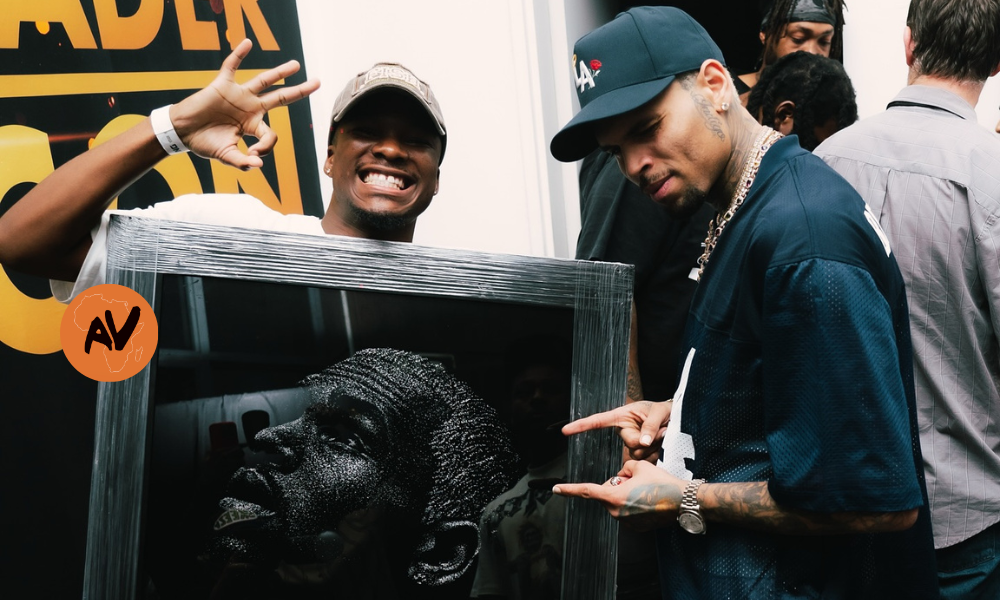
The Beauty of Cracked Glass in African Art
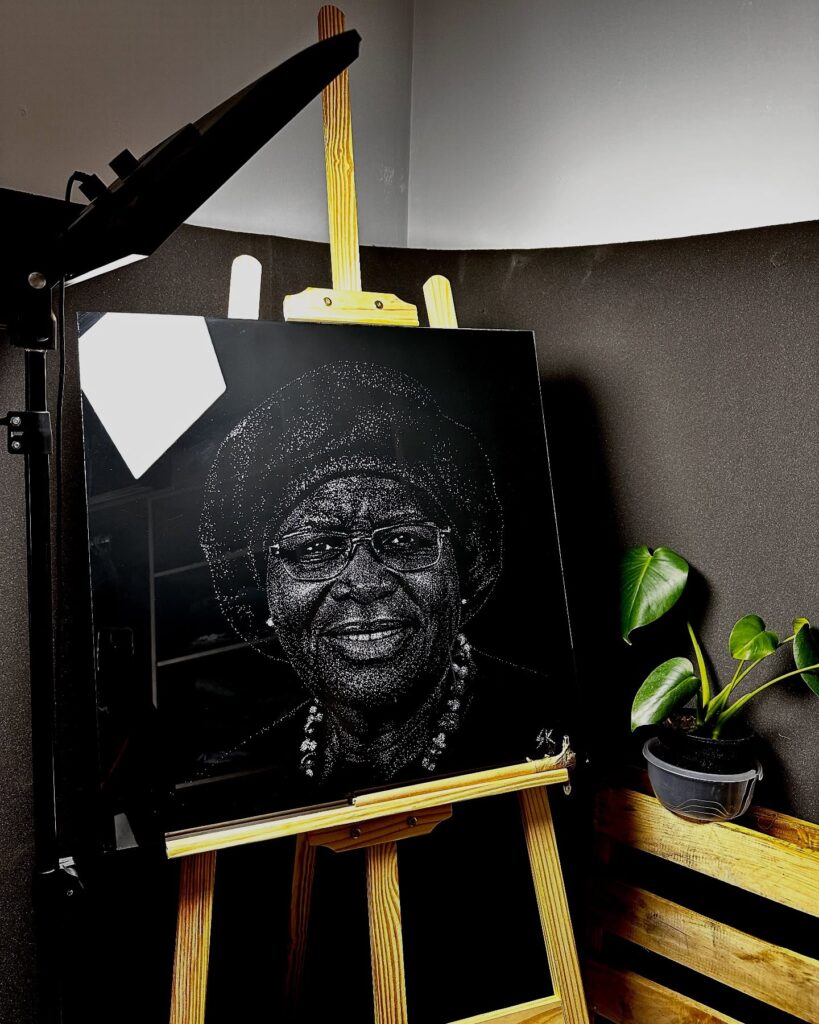
In a sunlit Johannesburg studio, fragments of broken glass glisten like gemstones. They aren’t trash—they’re the tools of Sandile Kgaphola, a rising South African artist who transforms shattered glass into stunning portraits. At first glance, his artwork is mesmerizing. Look closer, and each crack whispers a deeper story—of identity, resilience, and beauty in brokenness.
Kgaphola’s cracked glass portraits are redefining African portraiture. Through a medium often associated with fragility, he reveals an unshakable strength—one that resonates from township corners to international gallery walls.
Meet Sandile Kgaphola: South Africa’s Broken Glass Visionary
Born and raised in South Africa, Sandile Kgaphola didn’t follow a traditional path to fine art. His journey began with experimentation—collecting discarded glass and envisioning ways to give it new purpose. What emerged was a style both daring and delicate: portraits formed from shattered shards, layered with meaning.
While many artists reach for paint or pencil, Kgaphola chose fracture as form. The cracked glass became more than just a visual device—it became his voice. Through it, he confronts themes of pain, memory, identity, and renewal.
How Cracked Glass Becomes Art: Inside Kgaphola’s Technique
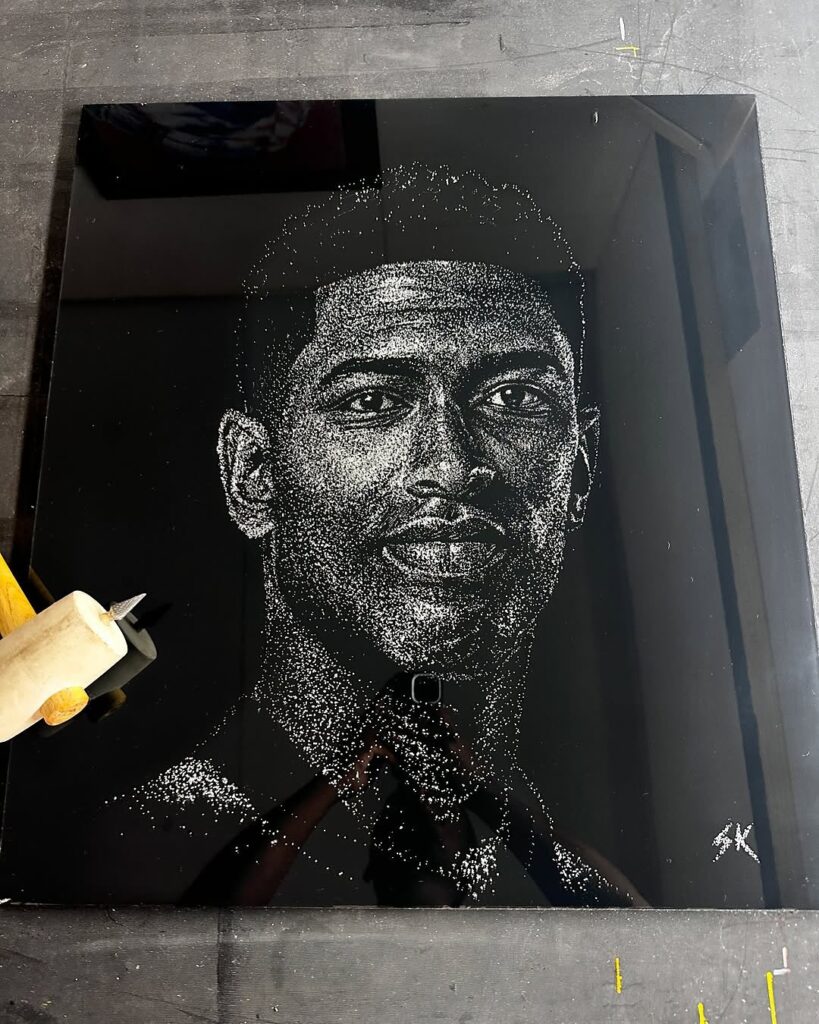
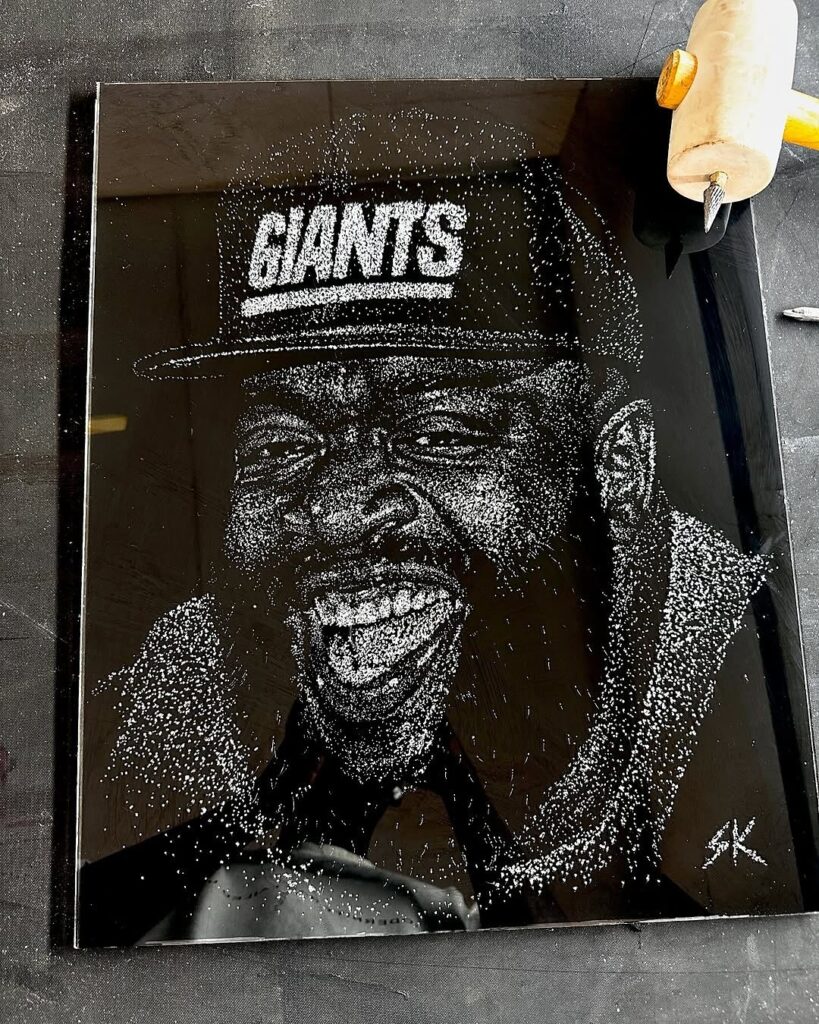
Creating art from broken glass is no easy feat. Kgaphola begins by carefully selecting sheets of glass, which he fractures intentionally—sometimes with a hammer, sometimes under heat or pressure. Each piece is arranged like a mosaic, but with raw edges and organic lines that evoke emotion.
The portraits often depict African women, faces of calm power framed by elaborate hairstyles or tribal adornments. The glass catches the light, creating dynamic textures and shadows that change depending on the viewer’s angle—making each encounter with the piece uniquely personal.
From a technical standpoint, Kgaphola’s process demands both precision and emotional vision. Every shard must fit into a larger whole, echoing how fragmented lives can still form something complete—and even beautiful.
ALSO READ: Kimberly Anyadike’s Historic Flight Across the United States
African Identity in Pieces: The Cultural Symbols in His Work
At the heart of Sandile’s work lies a celebration of African identity. His subjects are unapologetically African—deep brown skin tones, traditional headwraps, kente patterns, scarification motifs. Yet, the fractured glass reminds us that identity is not static; it’s built over time, often through struggle.
These cracked glass portraits tell stories of colonization, apartheid, and cultural erasure—yet they do so with elegance, not anger. They are monuments to survival, healing, and the rich emotional tapestry of African heritage.
The cracks become a metaphor for:
- Trauma endured and overcome
- Cultural fragmentation and reassembly
- The resilience of African beauty in the face of global homogenization
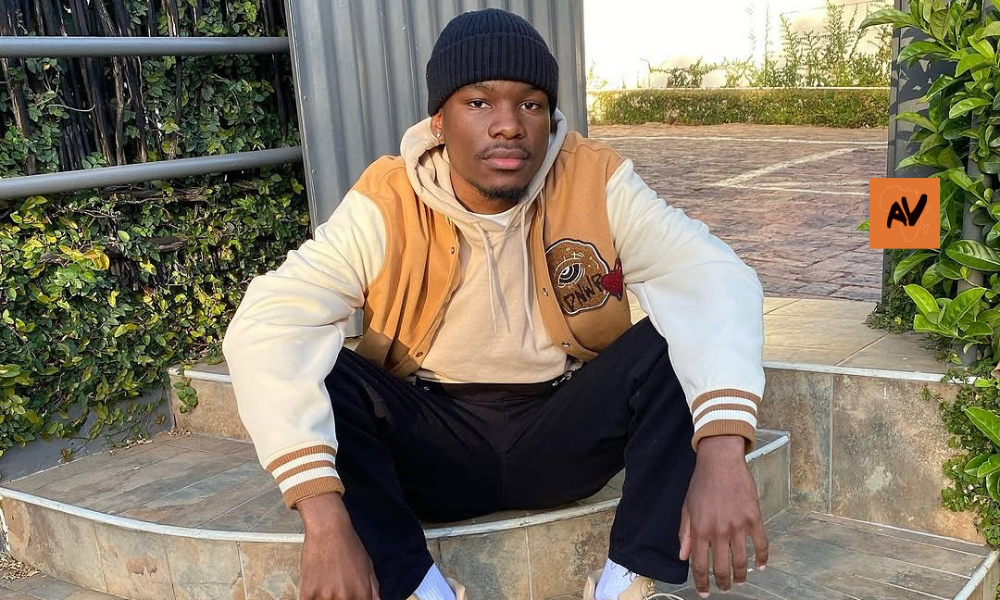
Sandile Kgaphola on the Global Stage: From Local to International Fame
As interest in contemporary African art surges globally, Kgaphola’s work has found its way into international art fairs, private collections, and digital exhibitions. His art is shared across Instagram and Pinterest with captions like “raw beauty,” “Afrofuturism in glass,” and “healing through fragments.”
He joins a powerful wave of African creatives—like Laolu Senbanjo, Zanele Muholi, and Kehinde Wiley—who are reshaping how the world views Africa, one bold artwork at a time.
Collectors from the U.S., Europe, and Asia have expressed deep emotional responses to his pieces. Why? Because Kgaphola’s cracked glass portraits speak a universal language: that of breaking and becoming.
ALSO READ: Women Empowerment Through Sustainable Entrepreneurship
Why African Contemporary Art Is Dominating the Global Scene
Sandile Kgaphola’s rise is not an isolated phenomenon—it’s part of a broader African creative renaissance. For too long, African artists were excluded from global art conversations. Today, they are reclaiming narrative control, and the world is finally listening.
What sets artists like Kgaphola apart is their fusion of indigenous technique, global relevance, and raw emotion. His work defies the polished perfection of the Western canon; instead, it reflects real life—messy, meaningful, magnificent.
Social media platforms have amplified this movement, making it easier for African artists to reach global audiences without institutional gatekeepers. As a result, art lovers are craving authenticity—and finding it in the shards and stories of Kgaphola’s portraits.
Conclusion: Sandile Kgaphola and the Global Power of Broken Beauty
In a world obsessed with flawlessness, Sandile Kgaphola’s cracked glass portraits are a quiet revolution. They remind us that beauty doesn’t come from perfection—but from presence, persistence, and pain turned into power.
Each broken edge, each layered fragment, reflects not just a face—but a continent rebuilding itself with courage and creativity.
Kgaphola is more than a South African artist. He’s a global storyteller—piecing together the fractured soul of Africa into portraits that shine across the world.
???? Frequently Asked Questions (FAQ)
Q: How does Sandile Kgaphola create cracked glass portraits?
A: He carefully breaks sheets of glass and arranges the shards into layered portraits, using adhesives, background textures, and sometimes pigment or paper underneath for depth.
Q: What does cracked glass symbolize in Kgaphola’s work?
A: It symbolizes trauma, healing, memory, and the beauty of imperfection—especially within the African historical and cultural context.
Q: Where can I buy Sandile Kgaphola’s art?
A: Some of his work is available through select galleries in South Africa and digital platforms. His Instagram (@sandilekgaphola) is a great place to start for inquiries and exhibitions.
Q: Why is Sandile Kgaphola’s work gaining global attention?
A: His work combines technical innovation, emotional resonance, and cultural richness—making it compelling to both African and global audiences hungry for authentic stories.