


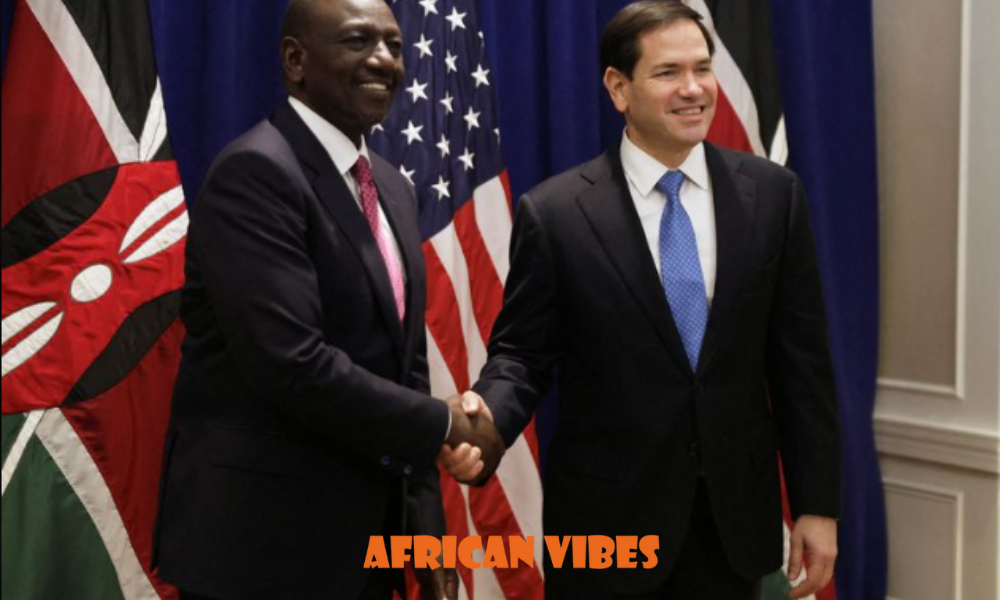
In a ruling that could redefine how Africa engages global powers in the digital age, Kenya’s High Court has hit pause on a multibillion-dollar health agreement with the United States—not over medicine, but over data.
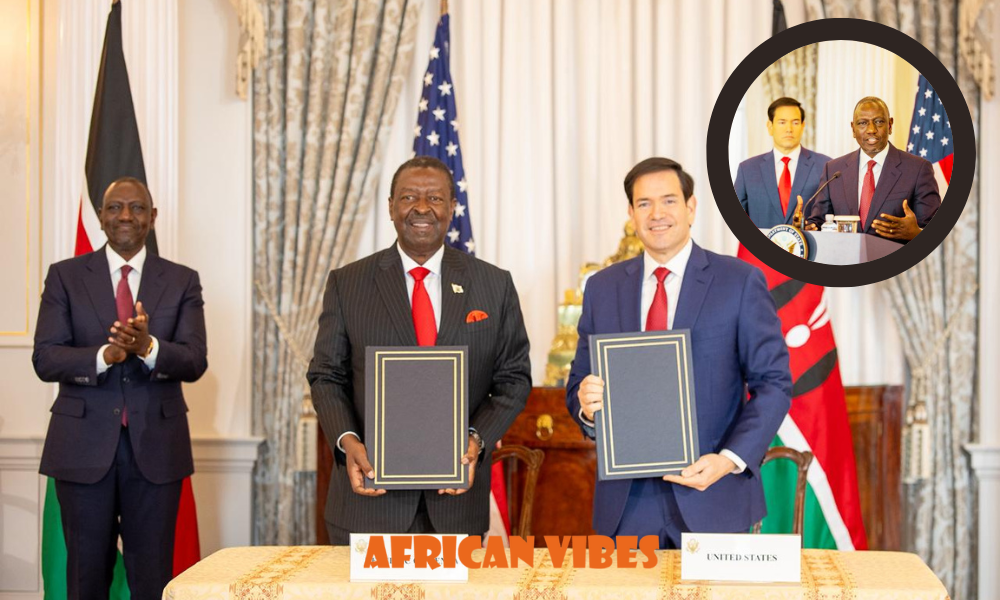
At stake was a proposed US$1.6 billion Kenya–US Health Cooperation Framework, marketed as a five‑year boost to disease surveillance and hospital modernisation. To critics, however, the deal carried a deeper cost: the transfer of sensitive biometric, genomic, and public‑health data belonging to more than 55 million Kenyans.
By issuing conservatory orders halting the agreement, Justice Bahati Mwamuye did more than stop a policy rollout. The court drew a constitutional red line, signalling that Africa’s digital sovereignty—particularly over health data—cannot be traded away under the banner of aid.
This was not merely a Kenyan decision. It was a continental signal.
Inside the Deal: Aid, Innovation—and a Data Trap
On paper, the agreement promised expanded funding to combat HIV/AIDS, malaria, and tuberculosis, alongside upgraded digital health records. A US‑based technology firm, Centric Group, was slated to build and manage much of the digital infrastructure.
But petitions filed by the Consumers Federation of Kenya (COFEK) and Senator Okiya Omtatah painted a far more troubling picture.
The disputed provisions included:
- Rapid pathogen sharing: Kenya would be required to hand over physical samples and genetic sequence data within days of detecting pathogens deemed to have “epidemic potential.”
- Cross‑border data flows: Health records could be aggregated and shared internationally under the broad umbrella of “global health security,” potentially weakening protections under Kenyan law.
- Governance gaps: The agreement was signed without parliamentary ratification or meaningful public participation, as required under Kenya’s Treaty Making and Ratification Act.
For critics, the danger was clear. Once sensitive data leaves African jurisdiction, control is effectively lost—exposed to foreign surveillance regimes, commercial exploitation, or AI development pipelines that deliver profits abroad while Africans pay again to access the outcomes.
ALSO READ: Botswana and Angola’s Race to Own De Beers, the World’s Iconic Diamond Giant
Why the Court Intervened
At the heart of the case was Article 31 of Kenya’s Constitution, which guarantees the right to privacy. Petitioners argued that mass sharing of health and genomic data—without clear safeguards, consent frameworks, or benefit‑sharing mechanisms—violated this fundamental right.
Civil society groups, including the Katiba Institute, framed the issue bluntly: Africa’s health crises cannot be solved by turning citizens into raw data sources for foreign technology and pharmaceutical industries.
By ordering a pause pending full judicial review, the court demanded what has too often been absent from international development deals: transparency, legality, and democratic oversight.
The decision echoes global cautionary tales, from India’s Aadhaar biometric controversies to growing resistance in parts of Africa against development financing tied to data concessions.
Why Africa Is Watching: Data Is the New Oil
This case matters far beyond Nairobi.
Africa holds the most genetically diverse human populations on Earth—a priceless resource for AI‑driven drug discovery, precision medicine, and biotech innovation. That diversity translates into enormous commercial value, estimated in the tens of billions of dollars.
Yet the prevailing model remains extractive: data is collected in Africa, processed in the Global North, and monetised elsewhere. The resulting medicines and technologies are then sold back to African health systems at premium prices.
That pattern has a name—digital colonialism.
Kenya’s judicial pause challenges it head‑on.
Two competing models now face off:
| Old “Aid” Model | New “Sovereignty” Model |
|---|---|
| Foreign cloud storage | Local African data centres |
| Proprietary foreign ownership | African‑led or joint ownership |
| Vague promises of “capacity building” | Enforceable benefit‑sharing |
| Executive‑driven deals | Parliamentary & public oversight |
The African Union’s Data Policy Framework already points toward this sovereignty‑first approach. Kenya’s court has now given it legal teeth.
Continental Ripples: Who Reviews Their Deals Next?
Kenya’s stance is already resonating. Countries such as Liberia, Rwanda, and Uganda—each with similar memoranda of understanding—are facing growing domestic pressure to re‑examine their own health‑data agreements.
The question confronting policymakers is no longer whether foreign partnerships are needed, but on whose terms.
Governments warn that blocking such deals could slow disease‑control efforts and jeopardise funding. But the court’s message is stark: the right to health cannot be advanced by undermining the right to privacy.
A Call to Action: From Data Providers to Data Owners
Africa stands at a crossroads.
The continent can remain a supplier of raw data for global tech and pharma giants—or it can build sovereign systems that keep data local, generate local value, and strengthen local innovation.
That means backing African health‑tech startups, investing in secure local infrastructure, and insisting that no health data leaves the continent without clear consent, oversight, and fair benefit sharing.
Kenya did not just pause a deal. It challenged a system.
The only remaining question is this: which African nation will be next to draw the line?