


Walk through Kampala in early 2026 and you will feel it instantly: the hum of boda-bodas, the scent of freshly made rolex, the campaign posters smiling with practiced confidence. Uganda is voting again.
And at the centre of it all—unchanged, unbothered, and unmistakably familiar—is President Yoweri Kaguta Museveni.
By the time the final ballots are counted, Museveni will have ruled Uganda for nearly four decades—longer than most Ugandans have been alive, longer than many African constitutions have existed, and long enough for elections themselves to begin feeling less like contests and more like rituals of political reassurance.
The real question of the Uganda Presidential Election 2026 is no longer who will win, but whether Uganda can finally imagine leadership beyond permanence.
ALSO READ: How Solar Energy is Transforming Agriculture on Uganda’s Kalangala Islands
From Revolutionary Promise to Political Fixture
When Museveni seized power in 1986, he was celebrated as a reformist—a revolutionary determined to rescue Uganda from chaos. Ironically, he once warned that Africa’s problem was leaders who overstay in power.
Nearly 40 years later, Museveni has become Africa’s most enduring contradiction.
Through constitutional amendments removing presidential term limits and age limits, he has mastered political survival. Museveni has governed Uganda through the Cold War, the rise of mobile money, and now the TikTok era—making him one of the most future-proofed leaders on the continent.
To supporters, he represents stability.
To critics, stagnation.
To Gen Z, he is simply the only president they have ever known.
Elections or Groundhog Day?
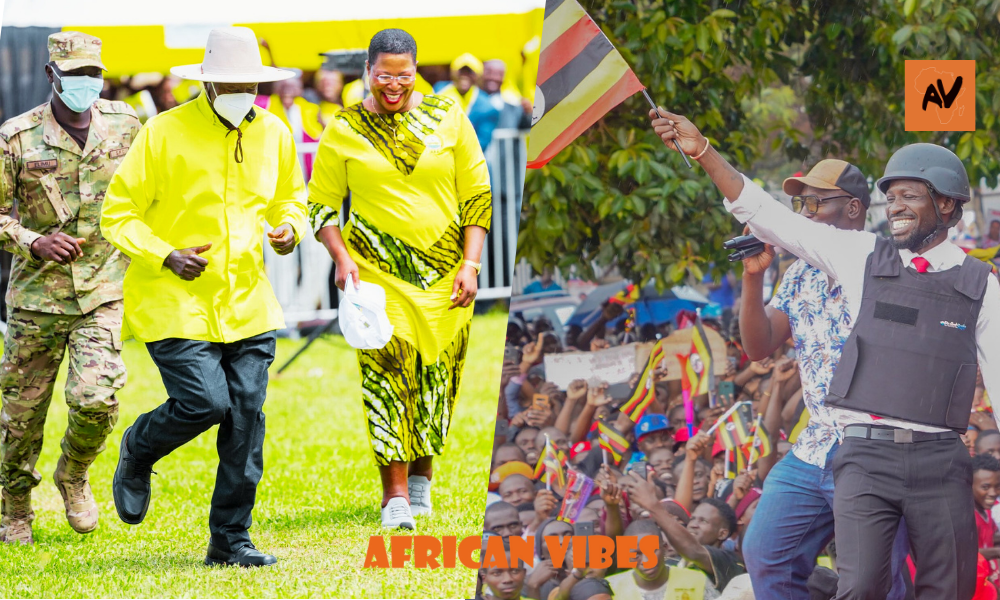
Ugandan elections follow a familiar rhythm: heavy security, restricted opposition campaigning, contested results, and a swift return to “normalcy.”
This repetition has bred political fatigue. For many citizens, elections feel less like vehicles for change and more like annual national performances, staged to reaffirm a conclusion already written.
Yet symbolism still matters. Even ritualized elections can ignite conversations that power alone cannot silence.
The Youth Bulge and the Politics of Inheritance
More than 75% of Uganda’s population is under 30. This is not a statistic—it is a political warning.
Across Africa, Gen Z has emerged as a disruptive force. In Kenya, Senegal, and Nigeria, youth-driven movements have reshaped public discourse and challenged political elites.
Uganda’s Gen Z is digitally fluent, politically aware, and increasingly impatient. They organize on TikTok, debate on X (formerly Twitter), and communicate in satire when censorship tightens.
But the digital battlefield is contested. Uganda has a history of internet blackouts and social media restrictions during elections. Online activism is powerful—but translating it into institutional change remains the ultimate challenge.
The Candidates: The Legend vs. the Lyricist
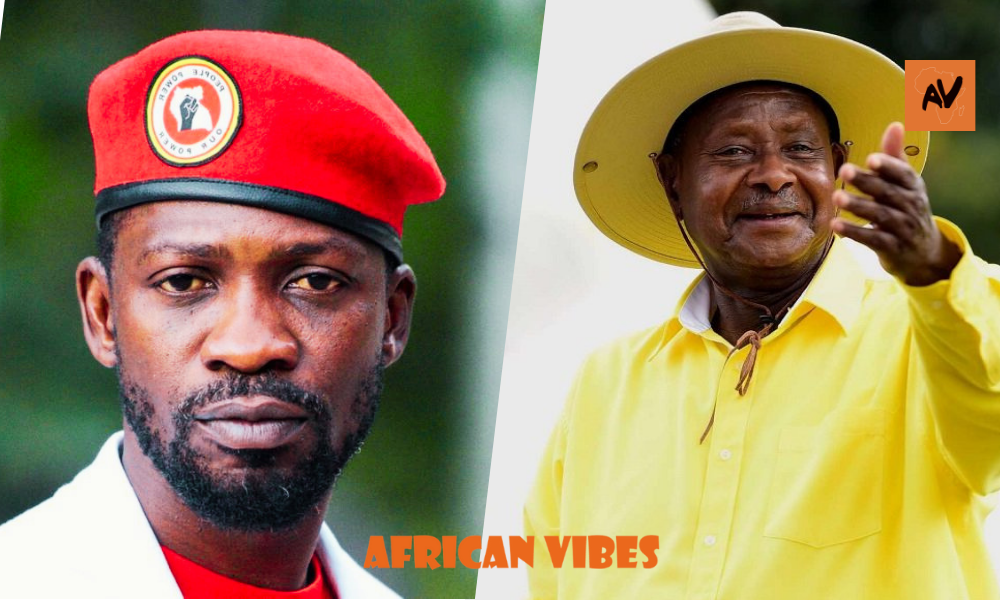
The 2026 race again pits Museveni’s “steady progress” against Robert Kyagulanyi Ssentamu—Bobi Wine’s “A New Uganda Now.”
Bobi Wine, the musician-turned-politician, remains the face of opposition politics. His National Unity Platform (NUP) channels urban youth frustration and diaspora support, promising to dismantle what he calls Uganda’s “military-industrial complex.”
The contrast is stark—and ironic. In a country led by an octogenarian, a 30-year-old voter is considered “seasoned.”
ALSO READ: Uganda Discovers 31M Tonnes of Gold Ore
The Muhoozi Factor: Dynastic Shadows
Hovering over the 2026 election is General Muhoozi Kainerugaba, Museveni’s son and Uganda’s Chief of Defence Forces.
Though not on the ballot, Muhoozi’s Patriotic League of Uganda (PLU) functions as a powerful political shadow movement. His social media presence, loyal supporters, and growing influence have transformed succession from rumor into rehearsal.
When Uganda’s Speaker of Parliament publicly referred to Muhoozi as “God the Son,” the satire wrote itself. Uganda increasingly resembles a republic dressed in dynastic robes.
Gen Z, Nairobi, and the Fear of Contagion
Uganda’s leadership is watching its neighbors closely. The Gen Z-led protests in Kenya sent shockwaves across East Africa.
Ugandan officials have responded not with reassurance, but warnings. When Museveni reminded the nation that “one soldier carries 120 bullets,” the message was clear: the state is prepared—not for invasion, but for its own youth.
Yet history suggests that repression cannot permanently contain generational change.
Redefining Change in Uganda
In Uganda, “change” has become elastic.
For some, it means a new president.
For others, economic opportunity without political upheaval.
For Gen Z, it may simply mean relevance.
Satirically, change in Uganda often looks like faster internet speeds rather than leadership turnover. But beneath the humor lies a deeper truth: permanence breeds pressure.
What Happens After 2026?
Several futures loom:
- Museveni wins again, reinforcing stability while deepening fatigue
- A contested outcome, triggering protests and repression
- Youth pressure reshapes governance, even without regime change
The most likely transformation may not occur at State House—but in society itself.
Conclusion: The Pearl Is Changing, With or Without Permission
Will Uganda redefine change in 2026?
If change means replacing Museveni, history suggests continuity. But if change means a shift in consciousness, then Uganda is already transforming.
Uganda’s Gen Z is not waiting for permission. They are building startups, exporting culture, reclaiming identity, and laughing—sometimes darkly—at political absurdity.
As ballots are cast, look beyond the results. Look at the young faces in the queues. They are not just voting for a president—they are auditioning for a New Africa.
And that story, unlike Uganda’s elections, is never a rerun.