


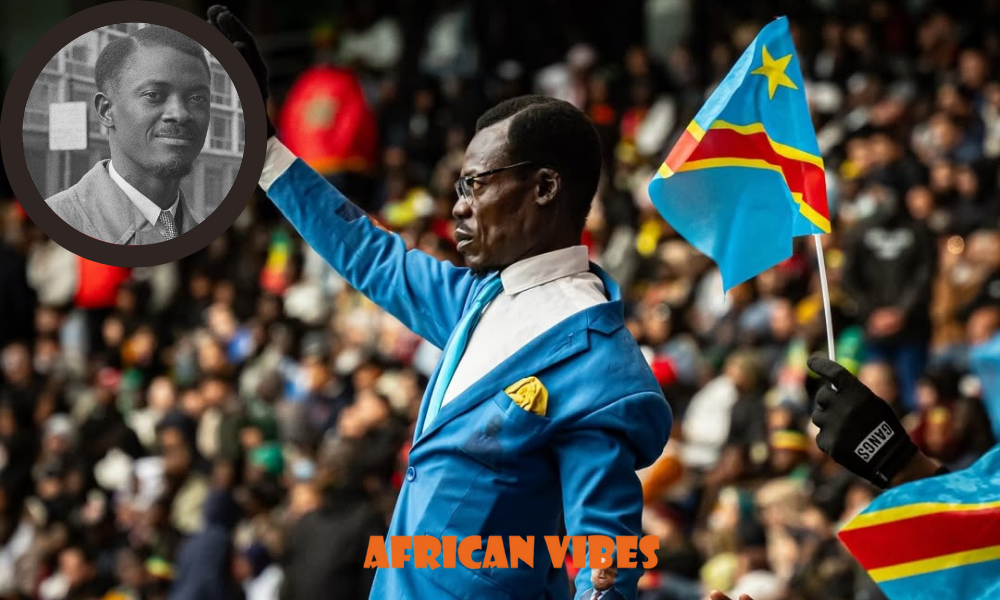
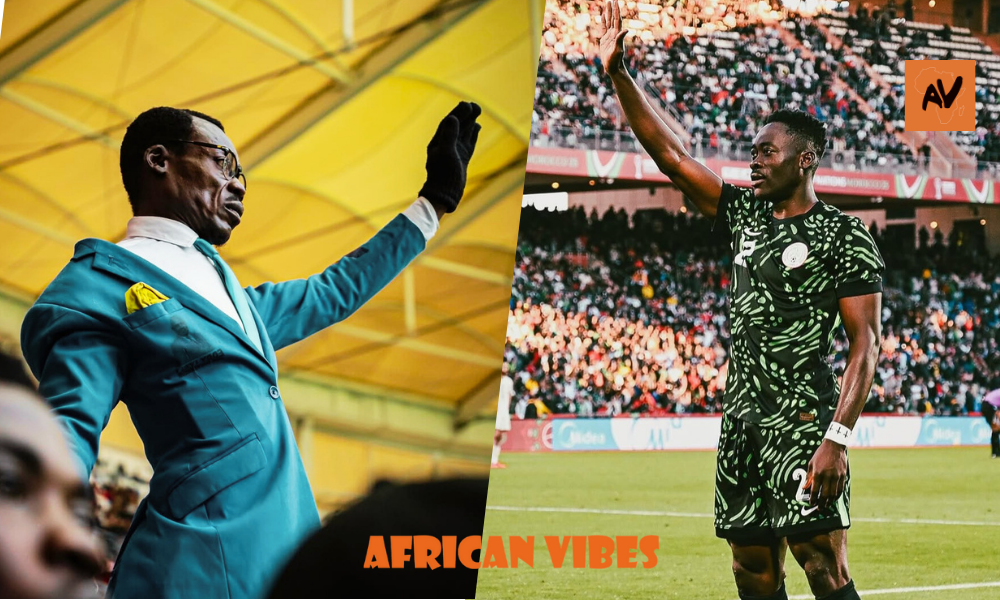
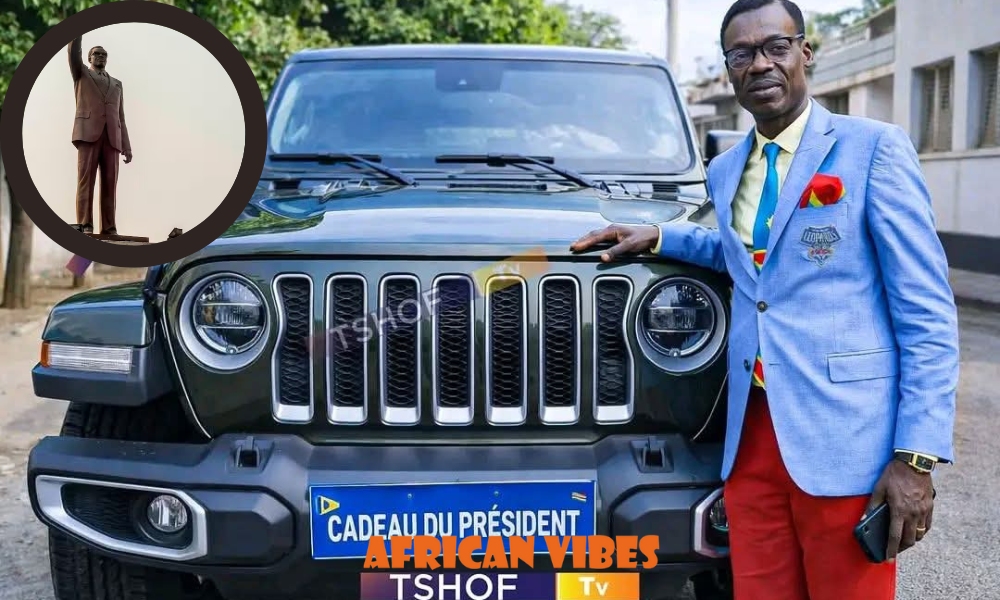
During a heated Africa Cup of Nations (AFCON) 2025 clash between Algeria and the Democratic Republic of Congo (DRC), the loudest statement of the night came not from a goal or a tackle, but from the stands. There, a Congolese superfan known as “Kabila” commanded attention—draped in vivid pan-African regalia, chanting relentlessly, embodying the pageantry and pride that make AFCON more than a football tournament.
What followed exposed a fault line running through African football: between celebration and contempt, rivalry and respect.
The Algerian Incident That Sparked the Backlash
Shortly after the match, Algerian goalkeeper Rais Mbolhi posted a video on social media mocking the superfan’s attire and exuberance. The caption, dismissive in tone, quickly ignited outrage across the continent. What some may have intended as locker-room banter landed instead as public ridicule—aimed not at an opposing team, but at a fan expressing cultural pride.
Within hours, the clip ricocheted across X (formerly Twitter), Instagram groups, with critics calling it disrespectful and antithetical to the spirit AFCON claims to uphold. This was not simply about football etiquette; it was about symbolism, dignity, and who gets to be mocked in African public life.
ALSO READ: David Munyua’s Historic Win Brings Kenya to the World Darts Stage
A Rapid Apology in the Age of Digital Accountability
Facing mounting criticism, the Algerian Football Federation (FAF) moved quickly. An official apology followed within hours, expressing regret for any offense caused and reaffirming respect for all supporters. Mbolhi deleted the video and reportedly reached out privately to the fan.
The speed of the response mattered. In an era where African athletes are increasingly scrutinized by a digitally connected continent, silence is no longer neutral. Accountability, once optional, is now demanded in real time.
As one Congolese fan put it online: “Apology accepted—but respect should come before outrage.”
Why the Costume Mattered
To dismiss the controversy as oversensitivity is to miss the point.
The superfan’s outfit was not a joke costume. It drew from a deep well of pan-African symbolism, evoking freedom fighters, ancient African civilizations, and post-colonial resistance. Figures like Patrice Lumumba, Kwame Nkrumah, and Thomas Sankara loom large in this visual language—leaders who imagined Africa as a shared project, not a collection of rival flags.
Mocking such imagery, even unintentionally, strikes at a deeper anxiety: that African unity is celebrated rhetorically but undermined casually, especially in moments of competition.
Rivalry Without Contempt
AFCON thrives on rivalry. Algeria versus the DRC carries its own historical and political echoes, from Cold War alignments to contemporary economic ties shaped by minerals and migration. Passion is part of the spectacle. But passion without restraint curdles into contempt—and contempt is what fans recognized in Mbolhi’s post.
The irony is that AFCON markets itself as Africa’s great unifier: a tournament where languages, cultures, and histories collide joyfully. When players ridicule fans, especially those expressing pan-African identity, they fracture the very mythology that sustains the competition.
What African Football Must Learn
Apologies repair damage; prevention builds trust.
CAF and national federations could do more than issue statements after the fact. Cultural sensitivity workshops, clear guidelines on player conduct, and explicit protections for fan expression would signal that respect is not performative but institutional.
Fans, too, have a role. The Congolese superfan at the center of this story did what AFCON fans have always done best: turn football into theater, memory, and resistance. That energy deserves amplification, not ridicule.
Beyond the Apology
Algeria’s swift response deserves acknowledgment. But the larger reckoning remains unresolved.
AFCON’s power lies not just in goals scored, but in the identities affirmed in its stadiums. Africa’s unity is fragile—often invoked, rarely defended. Moments like this force a necessary question: Can African football model the respect and solidarity its politics still struggle to achieve?