



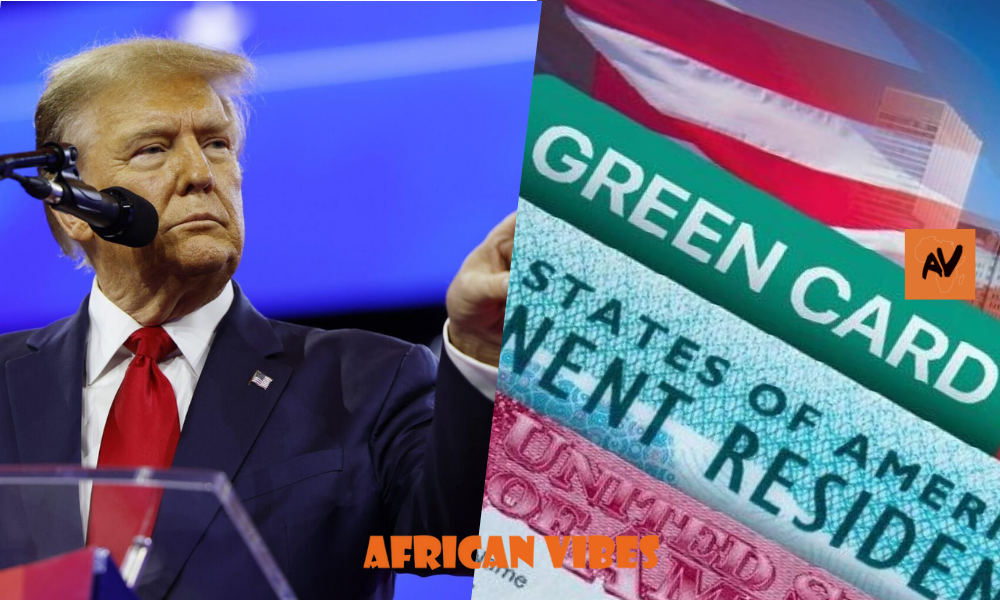
The Trump Administration directive that could reshape immigration pathways for thousands, U.S. Citizenship and Immigration Services (USCIS) has ordered an aggressive reexamination of all green cards issued to immigrants from a list of so-called “high-risk” countries. The directive—quietly circulated within DHS and now rippling across immigrant communities—targets nations with alleged security gaps, high overstay rates, or limited identity-verification systems.
The list includes Afghanistan, Cuba, Haiti, Iran, Venezuela, Burma, Laos, Turkmenistan, and several African nations: Somalia, Sudan, Eritrea, Chad, Republic of Congo, Equatorial Guinea, Libya, Sierra Leone, Togo, and Burundi.
While the U.S. government frames the move as a national security safeguard, immigrant advocates warn it could trigger mass delays, revocations, and years-long uncertainty for legal residents who have already passed extensive vetting.
Why the Review Is Happening Now
Officials say the new scrutiny is driven by:
- “Security blind spots” in the civil registry systems of targeted countries
- High U.S. visa overstay patterns in several listed nations
- Identity-verification challenges linked to conflict zones, collapsed governments, or poor documentation infrastructure
- Pre-existing halts such as the suspension of Afghan refugee processing and Biden-era reviews of certain nationalities
The directive directs USCIS to reassess past vetting, not just future applicants—meaning people with long-held green cards may now have their records reopened.
A senior DHS official (speaking anonymously) framed the order as part of a broader push to “ensure every permanent resident was lawfully admitted under today’s standards.”
But immigration attorneys say this is unprecedented.
“Reopening thousands of already-approved green cards retroactively is extraordinary,” said one U.S. immigration lawyer. “It signals a shift toward mass revalidation rather than targeted investigations.”
African Diaspora Could Be Among the Hardest Hit
The African diaspora—particularly communities from East, Central, and North Africa—may face significant disruption, given how many listed countries are on the continent.
Countries on the List (Africa)
- Somalia
- Sudan
- Eritrea
- Chad
- Republic of Congo
- Equatorial Guinea
- Libya
- Sierra Leone
- Togo
- Burundi
These communities maintain deep economic ties with home countries. Any green card review could affect:
ALSO READ: Elon Musk and the Battle Over H-1B Visas in the Global Talent Economy
1. Remittances
Many African immigrants send money home monthly. Sudden legal uncertainty can:
- freeze bank accounts
- discourage employers from extending contracts
- trigger job loss and financial instability
2. Business & Investment
African entrepreneurs in the U.S. who rely on stable immigration status for:
- business licenses
- real-estate investments
- international trade
could face major setbacks if their status is flagged for review.
3. Students & Families
Children of permanent residents applying for:
- FAFSA
- university admissions
- family reunification petitions
could see delays stretching months or even years.
“This is not just a policy change. It’s a shockwave,” says an immigration policy researcher focusing on African diaspora issues.
A Political Move Ahead of the U.S. Election?
The directive comes amid a renewed anti-immigration push by former President Donald Trump and his allies, who have made “maximum vetting” a centerpiece of their messaging.
Analysts say the timing is not accidental.
“This type of blanket review signals to voters that the administration is prioritizing security—even if it destabilizes communities that have lived here legally for decades,” said one Washington-based political strategist.
The language mirrors Trump-era policies targeting majority-Muslim and conflict-affected regions, though the new directive reaches further, affecting green card holders, not just visa applicants.
What Green Card Holders Should Know
Immigration lawyers recommend individuals from listed countries:
✔ Keep all identity documents ready
Passports, birth certificates, refugee documents, and old IDs may be requested.
✔ Avoid long international travel
Reentry may be questioned more aggressively.
✔ Update USCIS with address changes
Missing a notice can lead to revoked status.
✔ Consider speaking to an immigration attorney
Those with asylum histories, expired passports, or incomplete records are more vulnerable.
The Bigger Picture: Security or Systemic Discrimination?
Supporters of the directive argue it protects national security in a world where identity fraud and global conflicts are rising.
Critics counter it is collective punishment of people who have already been vetted and approved, many of them refugees fleeing the very instability the U.S. is now citing.
African advocacy groups say the move will fuel fear among communities already wary of over-policing, surveillance, and harsh enforcement practices.
“This directive sends one message: your green card isn’t permanent,” said a representative of a Somali community organization in Minnesota. “People are terrified.”
Conclusion
The new USCIS review represents one of the broadest retroactive immigration checks in recent years—one with profound consequences for African immigrants, their families, and the economies connected to them.
As the U.S. navigates election-year politics and resurging debates over migration, millions of African diaspora families will be watching closely, unsure whether the document they believed made them permanent residents still guarantees permanence at all.