


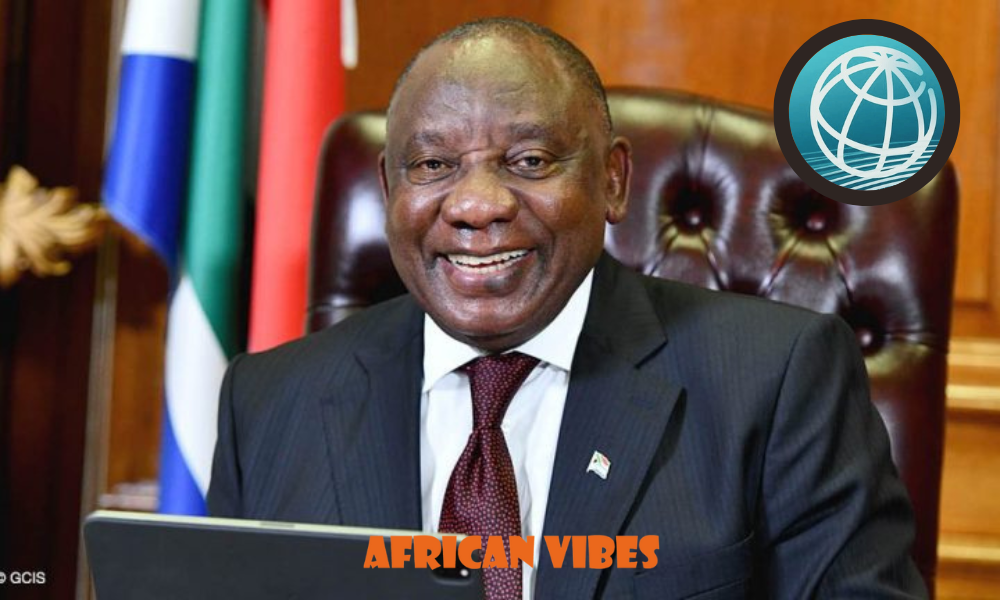
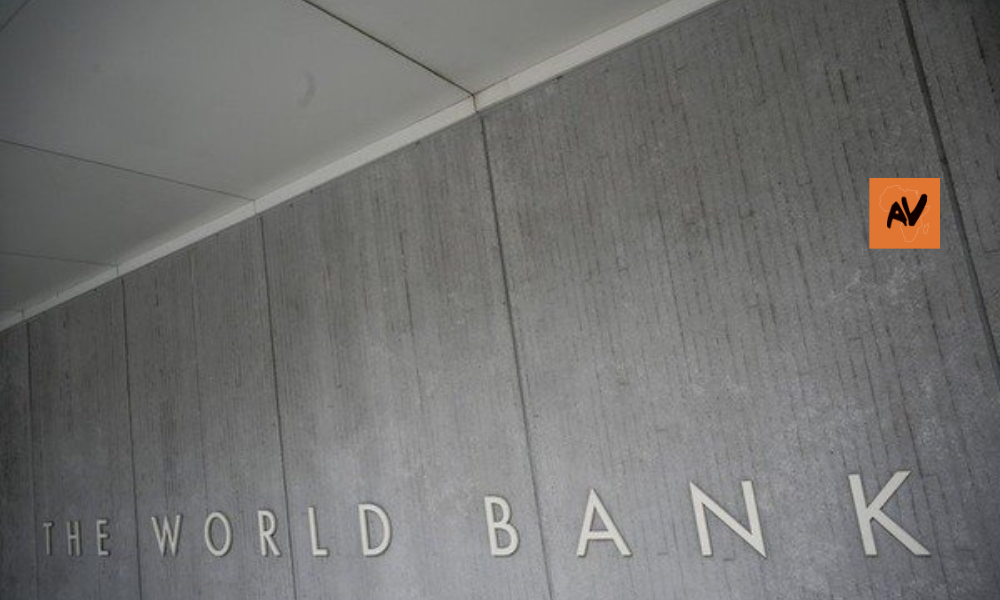
South Africa has received a major boost in its bid for economic revival, securing a R26.5 billion (US$1.5 billion) loan from the World Bank to overhaul its struggling energy and freight transport systems. The funding marks a strategic shift toward tackling deep-rooted infrastructural bottlenecks that have long hindered inclusive growth, job creation, and investment.
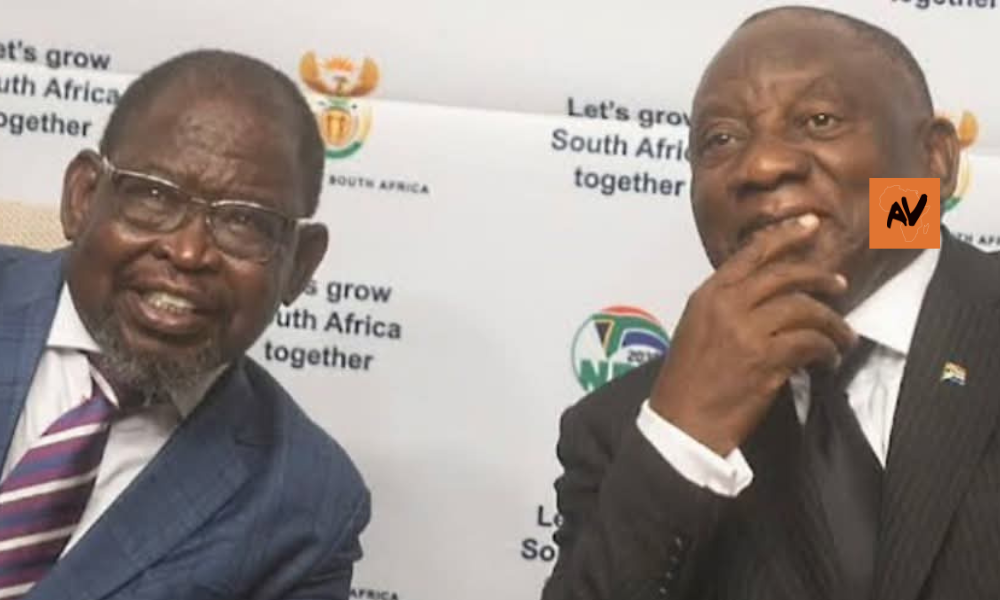
The landmark agreement is being hailed as more than just financial support—it is a lifeline tied to critical structural reforms. Finance Minister Enoch Godongwana described the move as “a turning point,” emphasizing the government’s commitment to modernize state-owned enterprises and inject much-needed competition into the energy and logistics sectors.
ALSO READ: Ghana’s Gold Exports Hit $5.2 Billion in 2025 — A Record Start to the Year
Fixing the Grid and Ending Loadshedding
A significant share of the loan targets South Africa’s national power utility, Eskom. The plan includes reinforcing the national grid, integrating renewables, and opening up the electricity market to private sector players. With energy availability already rising from 55% to 63% in 2024—thanks in part to a previous US$1 billion energy loan—officials hope this fresh injection will finally put an end to the crippling loadshedding that cost the country 2% of GDP and 500,000 jobs in 2023 alone.
The new reforms aim to attract private investment in energy transmission and distribution while accelerating South Africa’s transition to a low-carbon, innovation-driven economy.
Unlocking Rail and Port Potential
Another priority is Transnet, the beleaguered state-owned rail and port operator. Chronic inefficiencies have slashed exports by up to 20%, choking economic activity. The World Bank funds will inject liquidity into Transnet while driving reforms—such as creating an independent transport regulator and opening rail access to private operators.
By 2027, rail network capacity is expected to jump from 25% to 65%, with at least four new private freight operators entering the system. These changes are set to streamline domestic logistics and bolster South Africa’s role as a regional trade hub.
ALSO READ: Niger Seals $400M Crude Oil Deal with China Amid Geopolitical Tensions
Job Creation and Investor Confidence
World Bank projections suggest the reforms could generate 250,000 jobs by 2027—and up to half a million by the early 2030s. Enhanced infrastructure is also expected to attract foreign investment, particularly in manufacturing, agriculture, tourism, and technology.
“By improving our core infrastructure, we are laying the groundwork for a more inclusive and competitive economy,” said Godongwana.
A Blueprint for African Progress
Beyond its borders, South Africa’s bold reform strategy serves as a model for other African countries. The loan agreement emphasizes transparent governance, private-sector engagement, and climate-resilient development—key pillars in Africa’s collective journey toward economic self-reliance and sustainability.
As South Africa embarks on this transformative journey, the R26 billion World Bank loan is more than an economic stimulus—it’s a powerful symbol of African resilience, partnership, and the will to build a better future.