


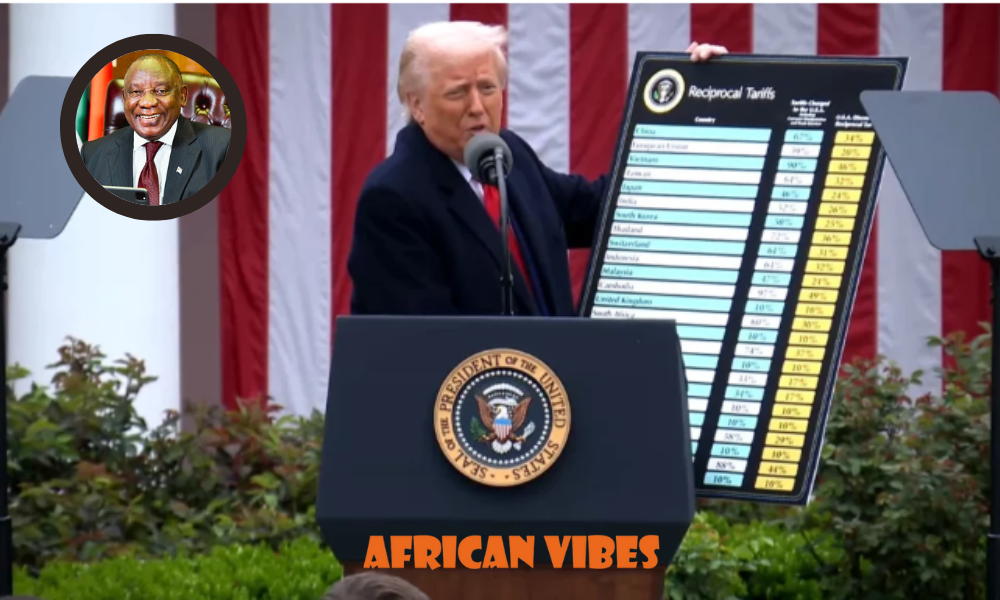
South Africa stands at a precarious economic crossroads as President Donald Trump’s administration announces a sweeping 30% tariff on all South African exports to the United States, effective August 1, 2025. This unilateral move, justified by claims of “unfair trade practices,” casts a long shadow over decades of burgeoning trade relations and threatens to unravel the significant benefits derived from the African Growth and Opportunity Act (AGOA).
Delves into the immediate and far-reaching implications of this decision for the Rainbow Nation’s vital export sectors and its strategic alignment on the global stage, emphasizing the urgent need for robust South African resilience in the face of this unprecedented challenge.
ALSO READ: Trump’s White South African ‘Refugees’ Get Red Carpet Treatment At The Airport
A Foundation Shaken: The History of US-SA Trade and the AGOA Framework
For decades, the economic ties between the United States and South Africa have been a cornerstone of mutual prosperity. Since its inception in 2000, the African Growth and Opportunity Act (AGOA) has been a transformative mechanism, offering eligible sub-Saharan African countries, including South Africa, duty-free access to the lucrative U.S. market for over 6,000 products.
South Africa, with its diversified economy and strong manufacturing base, has consistently been one of AGOA’s top beneficiaries, leveraging its provisions to boost key sectors such as automotive, agriculture (particularly citrus, macadamia, and wine), and textiles.
Under AGOA, South African automotive exports flourished, with vehicles and components finding a significant market in the US. Similarly, the country’s vibrant agricultural sector, known for its high-quality produce, has seen considerable growth. This preferential access has not only stimulated economic activity but also created tens of thousands of jobs and fostered technological transfer.
However, signals from Washington under the renewed Trump administration hinted at a shift. President Trump’s “reciprocal trade” doctrine, emphasizing balanced trade deficits and equal market access, has been a consistent theme. Warnings of potential tariffs and demands for concessions have been brewing for months.
The South African government, through President Cyril Ramaphosa’s office and the Department of Trade, Industry and Competition (DTIC), has consistently countered these claims, arguing that the U.S. interpretation of trade data is inaccurate.
They highlight that the average tariff on imported goods entering South Africa stands at a modest 7.6%, with a significant 77% of US goods entering at 0% duty, demonstrating a far more open market than suggested by Washington.
The Tariff Hammer Drops: Official Announcements and Immediate Reactions
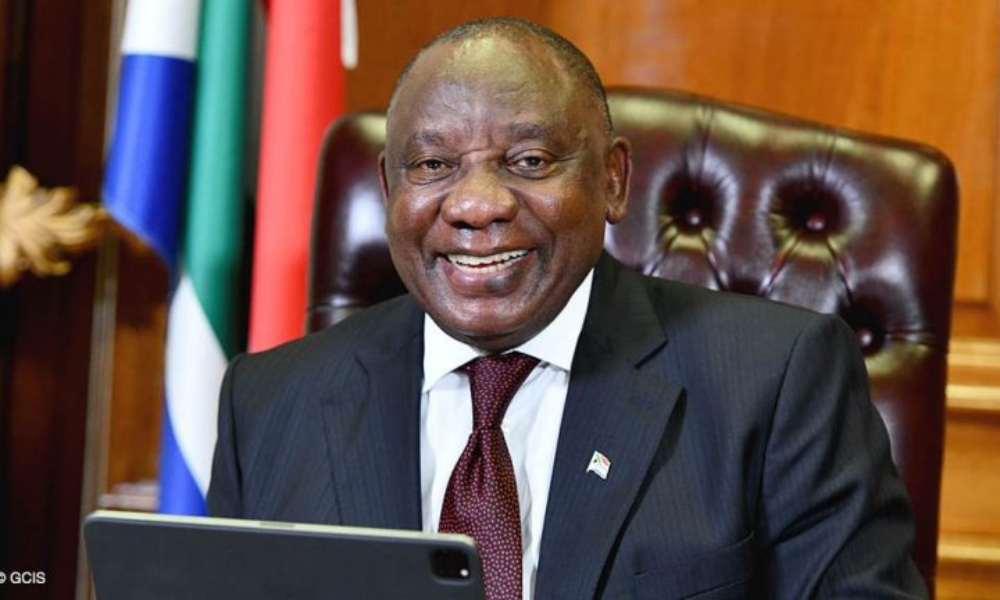
The long-feared hammer finally fell on Monday, July 7, 2025, when President Donald Trump formally announced the imposition of a 30% tariff on all South African imports to the US. In a letter addressed to President Cyril Ramaphosa, which was also posted on his Truth Social platform, Trump cited South Africa’s “closed trading markets” and “unfair tariff and non-tariff barriers” as the justification for this drastic measure.
He stated unequivocally that the tariffs would take effect on August 1, 2025, and that any retaliatory tariff increases from South Africa would be added on top of the existing 30%. “We have had years to discuss our trading relationship with South Africa, and have concluded that we must move away from these long-term, and very persistent, trade deficits engendered by South Africa’s tariff, and non-tariff, policies and trade barriers,” Trump’s letter read, stressing the lack of reciprocity.
President Cyril Ramaphosa’s office swiftly responded, noting that South Africa was among several countries, including Japan, South Korea, Myanmar, and Malaysia, to receive similar tariff letters from Trump, indicating a broader shift in US trade relations towards a more protectionist stance. Presidential spokesperson Vincent Magwenya reiterated South Africa’s contention that the 30% reciprocal tariff is not an accurate representation of available trade data.
He stressed that discussions were ongoing between negotiating teams from both nations and welcomed the US commitment that the tariff rate is “subject to modification” after the conclusion of these negotiations. South Africa had, in fact, submitted a “Framework Deal” to the US on May 20, 2025, proposing concessions and addressing US concerns, including a reduced tariff framework and commitments on specific exports. This move underscores Pretoria’s proactive approach to resolving the dispute.
The immediate reactions from South African business associations and industry leaders have been one of profound concern. The Democratic Alliance (DA) voiced strong condemnation, while the Parliament of South Africa’s Select Committee on Economic Development and Trade has called for urgent intervention. Thousands of South African workers across export-dependent sectors are now facing an uncertain future, with warnings of significant job losses if the tariffs proceed as planned.
ALSO READ: Tense Oval Office Clash: Trump Confronts Ramaphosa Over White Farmer Allegations
Impact & Analysis: A Blow to Economic Growth and Strategic Realignment
The imposition of a 30% tariff by the United States is poised to deliver a severe blow to South Africa’s economic growth and could necessitate a strategic realignment of its global trade partnerships.
Economic Consequences: The immediate financial losses for South African exporters are anticipated to be substantial. For industries like citrus, which is South Africa’s largest agricultural export, the 30% tariff makes their produce uncompetitive in the US market.
The Citrus Growers’ Association of Southern Africa (CGA) has warned that this US Tariff hike could lead to the loss of up to 35,000 jobs in the citrus sector alone. With the US being South Africa’s fifth-largest citrus market, accounting for approximately 8% of total citrus exports, the impact is dire, especially for rural communities reliant on this industry.
Similarly, the automotive sector, a major beneficiary of AGOA, faces significant disruption. While South Africa’s automotive industry is globally integrated and has diversified its exports to Europe and Asia, the US market remains crucial. A 25-30% tariff on vehicles and auto parts will undoubtedly squeeze demand and affect production volumes in key manufacturing hubs like Gqeberha and East London.
The effective nullification of AGOA benefits means that preferential access, which has been a linchpin of these industries, will vanish, driving up costs for US consumers and potentially leading to a decline in demand for South African goods. This comes at a time when South Africa’s economy is already grappling with high unemployment and slow growth, making the prospect of further job losses and revenue decline particularly challenging.
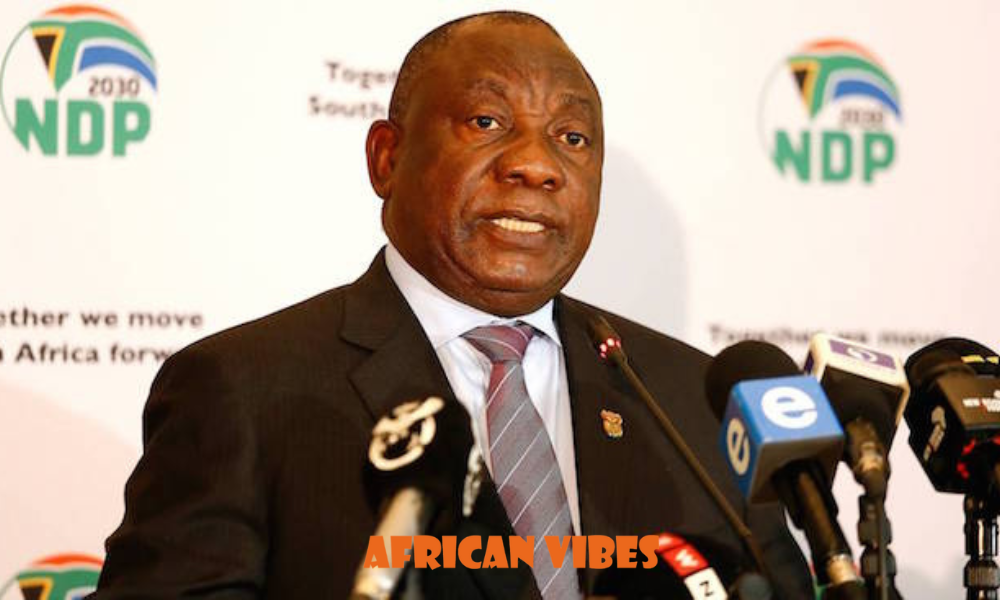
Diplomatic and Geopolitical Implications: Beyond the immediate economic fallout, the tariffs exert considerable strain on US-South Africa diplomatic ties. This move is seen by many as a test of mutual cooperation, raising questions about the future trajectory of their bilateral relationship. It could inadvertently accelerate South Africa’s pivot towards strengthening ties with its BRICS allies (Brazil, Russia, India, China), which collectively represent a growing share of global economic output and trade.
South Africa’s increasing alignment with BRICS, particularly its non-aligned stance on various international issues, might be perceived by the US as a contributing factor to the heightened trade tensions. This situation could further galvanize South Africa’s commitment to the African Continental Free Trade Area (AfCFTA).
The AfCFTA, with its ambitious goal of creating a single market of 1.4 billion people, offers a crucial pathway for African economic integration and a strategy to reduce dependence on external markets. By deepening intra-African trade, South Africa can build greater economic resilience against such external shocks.
Sector-Specific Vulnerabilities and Diversification: While the automotive and citrus industries face significant immediate threats, other sectors are also vulnerable. Small and Medium-sized Enterprises (SMEs) that have carefully built market access in the US under AGOA will find it incredibly difficult to absorb a 30% tariff.
However, South Africa is not without its strengths. Its exports of critical minerals like platinum group metals, gold, manganese, and chrome are largely unaffected by the new tariffs, as the US recognizes their strategic importance. This offers a degree of insulation for a portion of its export portfolio. The government is urging industries to accelerate diversification efforts, looking beyond traditional markets.
While shifting export markets is not an overnight solution, requiring significant investment in new business relationships, marketing, and logistical adjustments, it is a crucial long-term strategy. Efforts to enhance trade with markets in the Middle East, Asia, and within Africa through the AfCFTA are gaining renewed urgency.
Charting a New Course: Resilience, Diversification, and African Solidarity
The challenge posed by the US tariffs is undeniable, yet South Africa is approaching this moment with a determined resolve. The government’s ongoing diplomatic efforts to negotiate a more balanced and mutually beneficial trade relationship with the United States remain paramount. President Ramaphosa has instructed his negotiating team to engage urgently with the US based on the “Framework Deal” submitted in May, hoping to find an amicable solution and potentially secure a modification to the imposed tariff.
Beyond immediate negotiations, the crisis underscores the strategic importance of African economic integration. Initiatives like the AfCFTA, which aims to boost intra-African trade by reducing tariffs and non-tariff barriers, become even more critical.
By strengthening regional value chains and fostering trade within the continent, South Africa can reduce its vulnerability to the protectionist policies of non-African partners and achieve sustainable economic progress. The Intra-African Trade Fair (IATF2025), set to take place in Algiers in September, offers a timely platform to unlock new growth opportunities for South African businesses within Africa.
This moment serves as a stark reminder for South Africa to accelerate its efforts in market diversification and enhance its domestic capabilities. The nation’s spirit of adaptability, coupled with a concerted drive towards fostering deeper intra-African trade and strengthening its position within the global South, will be key to navigating these turbulent trade waters.
The focus remains steadfast: safeguarding livelihoods, ensuring continued economic progress for the nation, and reinforcing the message that a strong, united African economic front is the ultimate path to resilience and prosperity. The Trump’s 30% tariff may be a storm, but South Africa is steadfast in charting a new course.