


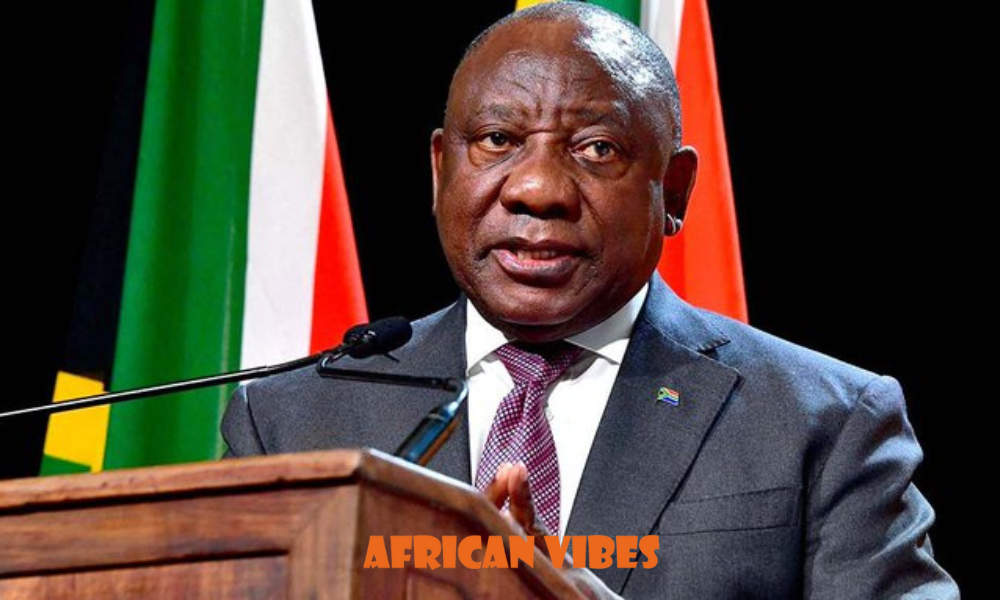
South Africa has weathered many storms — political upheaval, social transformation, and global shocks. Yet President Cyril Ramaphosa’s formal declaration of an economic emergency feels different. It is not merely another crisis headline. It is a national reckoning.
For months, the signs have been unmistakable: power cuts grinding cities to a halt, unemployment strangling opportunity, and investor confidence ebbing under the weight of uncertainty. Now, under the banner of an “Economic War Room,” Ramaphosa is signaling that the time for half-measures has ended.
The tone from Pretoria is unflinching — pragmatic, even desperate. But it is also hopeful. The President’s challenge is to transform this moment of fracture into a platform for structural renewal — a test not only of Ramaphosa’s leadership, but of South Africa’s capacity to reclaim its place as the anchor of the African economic future.
The Weight of Crisis
South Africa’s troubles did not begin overnight. They are the product of a slow and painful erosion — a decade of missed opportunities, bureaucratic inertia, and energy decay.
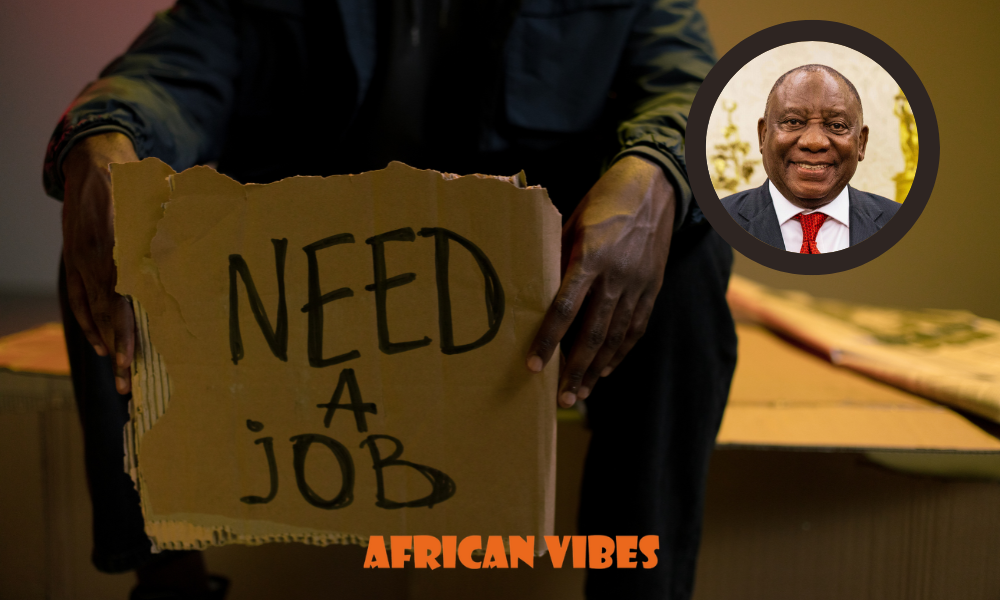
The numbers tell a grim story. Unemployment hovers near 33%, one of the highest rates in the world. Among young South Africans, it exceeds 45%. Economic growth has stagnated below 1%. And behind every statistic is a deeper malaise: the collapse of Eskom, the state-owned utility whose chronic failures have plunged the nation into rolling blackouts euphemistically called “load shedding.”
Load shedding has become both symbol and symptom — a metaphor for a nation flickering between potential and paralysis. Small businesses shutter. Manufacturing slows. Hospitals delay procedures. For ordinary citizens, darkness has become both literal and existential.
The President’s declaration, then, was not political theatre. It was an acknowledgment that the status quo is no longer sustainable. The country’s red line — energy — has been crossed.
ALSO READ: African Leaders Stand Unified at UNGA 2025, Demanding Permanent UNSC Seats and Climate Justice
Inside the Economic War Room
The emergency declaration is not just rhetoric; it creates a legal framework for faster decision-making, resource reallocation, and policy experimentation. At its heart lies the Ten-Point Recovery Plan, a blueprint that Ramaphosa hopes will reset the nation’s economic direction.
Key measures include:
- Stabilizing the energy grid by accelerating private generation licenses and renewable projects.
- Reforming Eskom through debt restructuring and operational audits.
- Unlocking infrastructure investment by cutting bureaucratic delays and corruption in procurement.
- Fiscal discipline — capping government spending and reining in public debt.
- Job creation initiatives focused on youth and small enterprises.
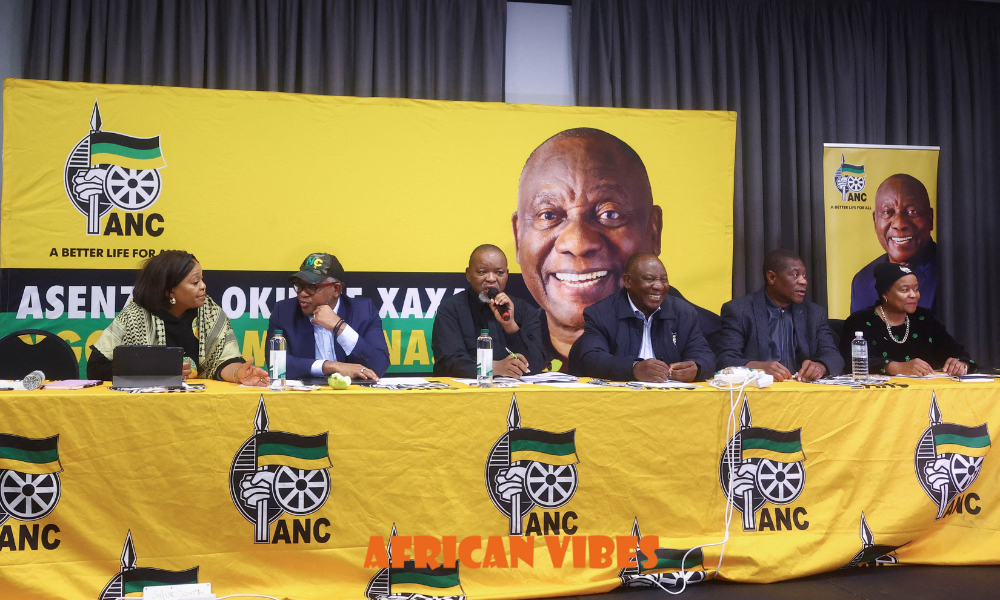
This is the most aggressive reform agenda since 1994. But success depends on more than technocratic will. It requires political courage — particularly within the ruling ANC, where internal divisions and labor alliances could slow or even sabotage implementation.
Unions like COSATU and NUM are already signaling discomfort with accelerated privatization. Business groups, meanwhile, welcome reform but demand clearer timelines. Ramaphosa must navigate these fault lines with surgical precision, uniting factions under the common cause of survival.
The Investor and the Innovator
Market reaction to the emergency was mixed. The rand wobbled before regaining footing, and investors adopted a wait-and-see approach. International observers, including the IMF and World Bank, cautiously praised the government’s candor but warned that credibility would depend on swift execution.
Yet beneath the macroeconomic anxiety lies another story — one that resonates deeply with AfricanVibes readers: the story of African talent.
South Africa’s most promising generation — its young, educated, tech-savvy citizens — stands both as the crisis’s greatest casualty and its greatest hope. From fintech founders in Cape Town to agritech innovators in Limpopo, a vibrant ecosystem of African tech startups has emerged despite load shedding and red tape.
The irony is striking: a nation rich in ingenuity but starved of power. If the emergency reforms truly liberalize energy production and accelerate infrastructure buildout, it could unleash a wave of innovation unseen since the democratic transition. In that light, the “Economic War Room” is not just about recovery — it’s about liberation: freeing African creativity from structural decay.
ALSO READ: Botswana’s Duty-Free Diamond Deal with the US Redefines Economic Sovereignty.
Leadership and the Long Game
Every national crisis is also a test of governance. Ramaphosa’s presidency, once buoyed by reformist promises, now faces its defining moment. His ability to act decisively — to cut through political paralysis — will determine whether South Africa emerges renewed or reduced.
But there is also a deeper cultural truth at play. South Africa’s resilience has always been collective, not individual. From the township economy to corporate boardrooms, from rural cooperatives to digital entrepreneurs, the spirit of collaboration has powered its survival.
If the emergency declaration rekindles that civic energy — if it reawakens the social contract between state and citizen — then the short-term pain of reform may yield long-term stability. The African economic future, after all, will not be dictated by policy alone but by the willingness of societies to adapt, innovate, and believe.
A Forge, Not a Fire
It would be easy to see this moment as another grim chapter in South Africa’s economic saga. But to do so would miss the deeper transformation underway. Emergencies, by nature, strip away illusions — forcing nations to decide who they are and what they stand for.
For South Africa, this declaration is both warning and opportunity. The warning: that complacency breeds collapse. The opportunity: that crisis, when met with courage, can forge something stronger.
President Ramaphosa has drawn his red line. What happens next will test the nation’s resolve, but also its imagination. In the flicker of those load-shedding nights, the question is no longer whether South Africa can recover — but whether it can reinvent itself as the engine of a more resilient, inclusive, and innovative African future.