



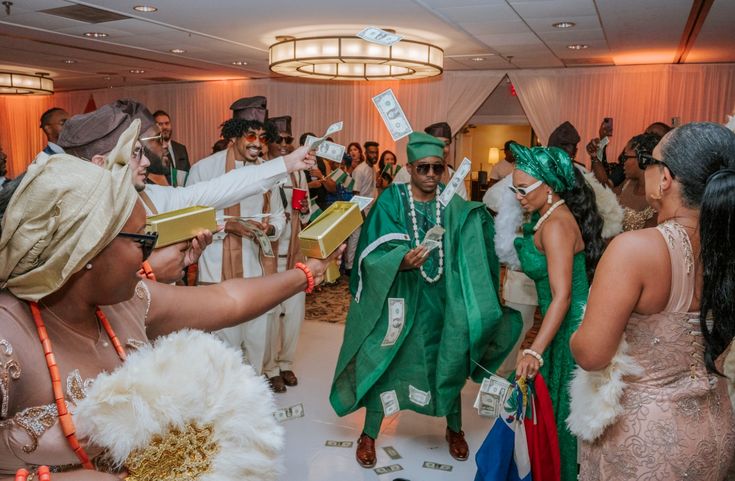
In December 2024, Nigerian celebrity makeup artist Abdullahi Musa Huseini, popularly known as Amuscap, found himself in the spotlight for Naira Spraying. He was sentenced to six months in prison by a Federal High Court in Kano for the act of spraying ₦100,000 in cash during his wedding celebration. While this act is a traditional expression of joy and honor in many Nigerian ceremonies, it stands in direct violation of the Central Bank of Nigeria (CBN) Act of 2007, which prohibits the abuse of Nigeria’s currency.
This high-profile conviction—delivered by Justice S.M. Shuaibu—has reignited national debate, putting the spotlight on a longstanding cultural versus legal conflict. Can cherished Nigerian traditions coexist with modern monetary policies?

ALSO READ: Nigeria Lands $1.1B Loan for Operation Light Up Nigeria
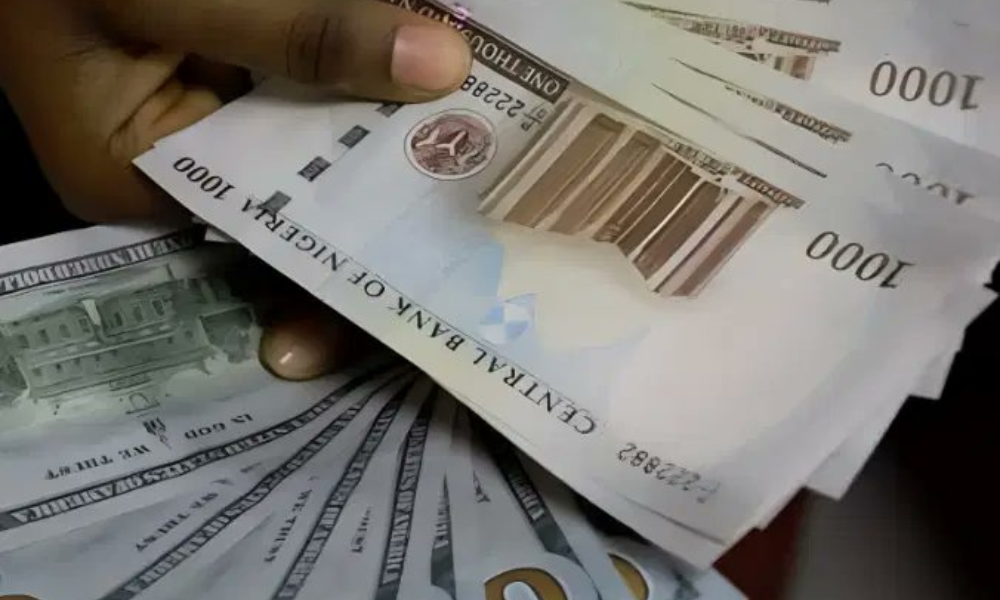
The Law: What the CBN Act of 2007 Says About Naira Abuse
At the heart of this controversy is Section 21 of the CBN Act (2007), which outlines prohibited actions involving the naira:
Prohibited Acts Include:
- Naira Spraying or throwing naira notes at events
- Stepping, dancing, or stamping on currency
- Writing on, stapling, tearing, or mutilating naira notes
- Selling or using currency notes in any disrespectful manner
These acts are classified as “abuse” of the naira, considered an affront to its symbolic value as the nation’s legal tender.
Legal Penalties:
- Imprisonment: Offenders may face a minimum sentence of six months in prison.
- Fines: A fine of not less than ₦50,000 may be imposed.
- Combination: In some cases, both a fine and imprisonment may apply.
The law is designed to preserve the integrity, lifespan, and dignity of the naira, especially as the cost of printing and distributing currency notes remains high.
Are There Exceptions to This Law?
Currently, no formal exceptions exist in the CBN Act. The legislation is applied uniformly, regardless of the context in which naira abuse occurs—including weddings, birthdays, or concerts.
However, legal experts and cultural commentators argue that this strict stance overlooks Nigeria’s rich cultural practices. Naira spraying, for instance, is seen by many as a gesture of celebration, generosity, and prosperity. Critics say the law’s rigid application risks criminalizing harmless cultural expressions without providing room for reform or context-based discretion.
The Enforcers: Who Has the Power to Arrest?
While the CBN is the lead authority on currency matters, enforcement has largely been carried out by the EFCC, raising legal questions about jurisdictional overreach. Some legal professionals argue that naira abuse is not a financial crime per se but rather a civil infraction better suited for Nigeria Police Force enforcement, based on the criminal code and the CBN Act.
This ambiguity has led to overlapping mandates and inconsistencies in how offenders are arrested and prosecuted.
High-Profile Convictions: Celebrities Under Fire
Over the last two years, several entertainers and public figures have been prosecuted under this law, bringing the issue further into the public eye:
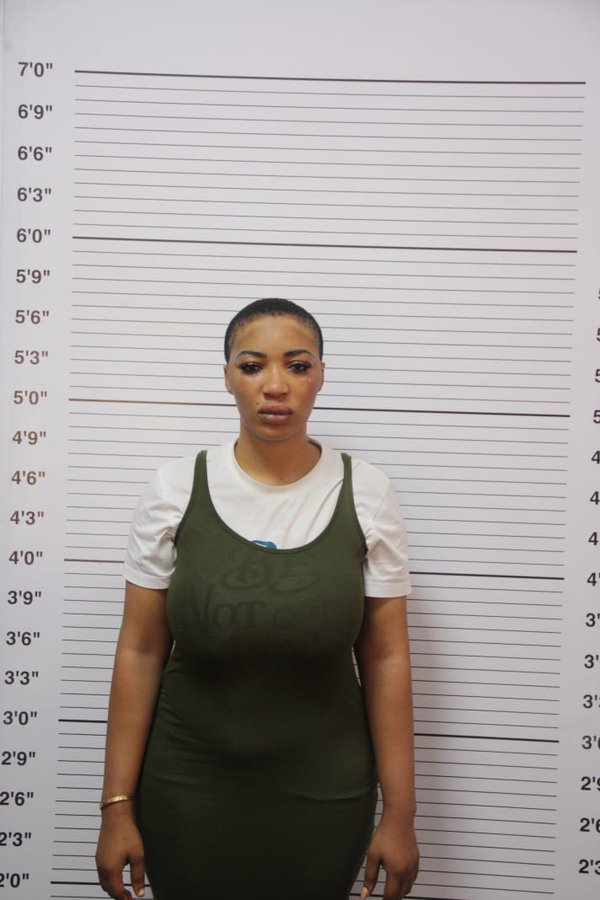

- Oluwadarasimi Omoseyin – The Nigerian actress popularly known as Simi Gold, was on Thursday, February 1, 2024 convicted and sentenced to six months imprisonment for Naira Spraying and stepping on the new Naira at a social event in Lagos.
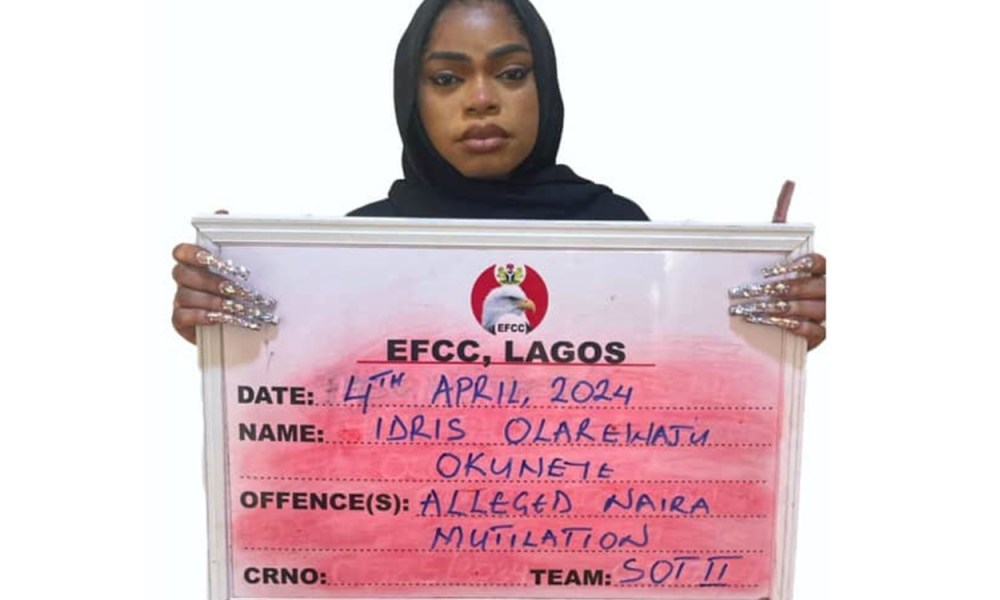
- Bobrisky – Controversial cross-dresser, Idris Okuneye, popularly known as Bobrisky, was on Friday, April 12, 2024, convicted and sentenced to six months imprisonment without the option of a fine.
- Cubana Chief Priest – Socialite and businessman Cubana Chief Priest, real name Pascal Okechukwu, was on Wednesday, April 17, 2024, charged to court for abusing banknotes after allegedly throwing money into the air at social events, a practice known as “Naira Spraying”. He however, pleaded “not guilty”, and was granted a N10m bail with two sureties in like sum.
These high-profile arrests have raised concerns over selective enforcement. While celebrities are swiftly charged for currency abuse, influential politicians and elites accused of more significant economic crimes often avoid prosecution altogether—fueling allegations of double standards in Nigeria’s justice system.
Impact of Enforcement: Awareness vs. Cultural Resistance
Positive Impacts:
- Public Education Campaigns by the CBN and EFCC have increased national awareness of the consequences of naira abuse.
- Deterrent Effect: The prosecution of celebrities has discouraged some from publicly engaging in naira spraying.
- Reinforced Currency Discipline: Banks and event organizers are now more cautious in handling cash at public gatherings.
Challenges & Pushback:
- Cultural Disconnect: The legal stance does not reflect the emotional and communal significance of naira spraying in Nigerian celebrations.
- Public Confusion: Many Nigerians are still unaware that their actions are illegal—assuming the practice is harmless when done respectfully.
- Enforcement Gaps: Despite publicity, arrests appear focused on entertainers and social media personalities, rather than addressing the issue systemically
ALSO READ: Nigeria Joins BRICS as a Partner Country
Public Sentiment: Reform or Repeal?
Many Nigerians believe that the law is too rigid and fails to account for cultural nuance. There’s growing advocacy for the following reforms:
- Legislative Amendment: Modify the CBN Act to distinguish between willful destruction and culturally symbolic acts like naira spraying.
- Clear Enforcement Guidelines: Define the roles of the EFCC, police, and CBN to eliminate jurisdictional overlaps.
- Cultural Sensitivity Training: Encourage law enforcement and judiciary officials to understand the cultural roots of naira spraying.
- Use of Alternative Methods: Some event organizers are already promoting cashless gifting apps and digital transfers as alternatives to cash spraying.
Conclusion: Can Tradition and Law Coexist?
The sentencing of Amuscap is more than just a court ruling—it’s a reflection of the broader tension between cultural heritage and legal modernization in Nigeria.
While the CBN Act seeks to protect the nation’s currency, its current enforcement risks alienating citizens, criminalizing celebratory traditions, and reinforcing perceptions of selective justice.
To strike a balance, Nigeria needs culturally informed legislation, equal law enforcement, and ongoing civic education. Only then can the dignity of the naira be preserved without erasing the vibrancy of Nigeria’s rich traditions.
Be part of our discussion on our social media handle.