


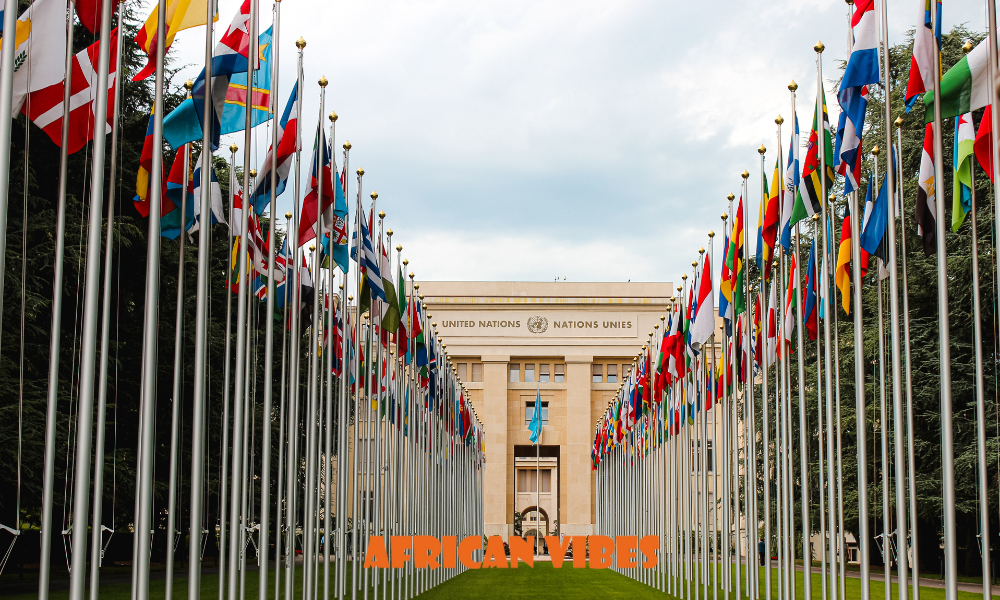
Finding a definitive, ranked list of the “10 Most Controversial Speeches by African Leaders” at the UN General Assembly (UNGA) is challenging, as “controversial” is subjective and many African leaders’ speeches challenge the global order, which can be seen as controversial.
However, several addresses stand out historically for generating significant international backlash, diplomatic incidents, or memorable defiance. These speeches often centered on anti-colonialism, condemnation of Western hegemony, UN Security Council reform, and support for the Palestinian cause.
Here are some of the most historically controversial or inflammatory speeches by African leaders at the UNGA (or key moments related to their addresses):
1. Defiance of the Global Order: Muammar Gaddafi (Libya, 2009)
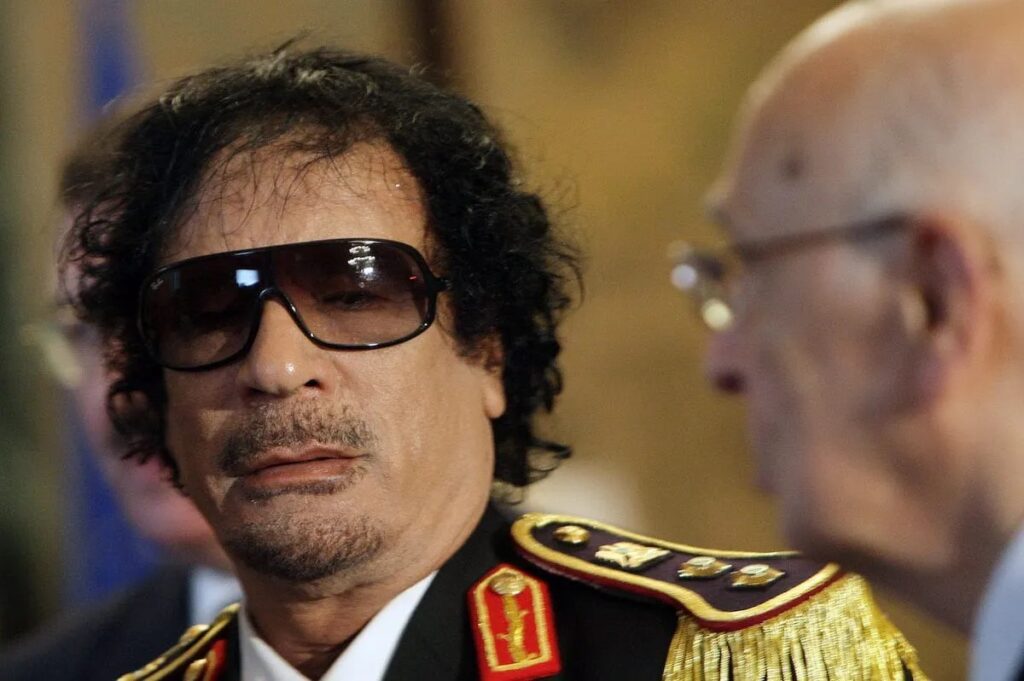
Gaddafi’s first UNGA speech in 40 years was an extraordinary act of defiance. He exceeded the time limit by over 80 minutes, tore up a copy of the UN Charter on the podium, accused the Security Council of being a “terror council,” and demanded that the West pay Africa $7.77 trillion in compensation for colonial exploitation. The speech’s duration, chaotic delivery, and spectacular rejection of the UN’s founding document made it arguably the most controversial single address in UNGA history.
2. Accusations of Atrocities & Impunity: Omar al-Bashir (Sudan, 2006)
Speaking at the UNGA despite having an active International Criminal Court (ICC) warrant for his arrest (later issued in 2009) on charges of genocide and war crimes in Darfur, al-Bashir used the platform to deny the Darfur genocide, blame Western aid organizations for fabricating or exaggerating claims, and accuse them of a “neocolonialist plot.” His presence at the UN and his brazen denial of the crisis angered many international human rights organizations and Western delegates.
ALSO READ: Ghana’s Deportee Deal Sparks Rights Lawsuit and Pan-African Backlash
3. Defense of Colonial-Era Policies: Eric Louw (South Africa, Various 1950s-1960s)
As a key representative of the Apartheid regime, Louw’s speeches were consistently controversial. He defended the state’s racial segregation policy, arguing that apartheid was an “internal matter” and that UN intervention violated South Africa’s sovereignty. His virulent tone and defense of the internationally condemned policy made him a lightning rod for the General Assembly’s growing anti-apartheid majority.
4. LGBTQ+ Rights and Social Issues: Robert Mugabe (Zimbabwe, 2015)
While Mugabe’s addresses over the years were often controversial for his anti-Western attacks, his 2015 speech included a direct and dismissive comment on social issues. In opposing the UN’s focus on non-discrimination, he declared, “We are not gays!” This was seen as a deliberate rejection of universal human rights standards and a highly inflammatory, homophobic statement that sparked immediate backlash from Western diplomats and LGBTQ+ rights organizations.
5. Challenging UN Peacekeeping Effectiveness: Felix Tshisekedi (DRC, Various)
Tshisekedi has repeatedly criticized the ineffectiveness and shortcomings of the UN’s peacekeeping mission in the eastern DRC (MONUSCO). His direct calls for the mission’s withdrawal and accusations of “double standards” and “ambiguities” on the part of the international community were sensitive, as they publicly challenged the credibility and performance of the UN’s largest and longest-running peacekeeping operations.
6. Calling Out Internal Failures: Salva Kiir (South Sudan, Various)
The controversy around President Kiir’s speeches often centered on what was omitted. Critics and international observers noted a tendency to minimize or entirely ignore grave internal issues like rampant corruption, escalating inter-communal violence, and failed governance. Instead, he focused heavily on criticizing the arms embargo and demanding external assistance, which was perceived as selective framing to deflect accountability for the humanitarian crisis.
7. Demanding UN/IMF/World Bank Reform: William Ruto (Kenya, 2025)
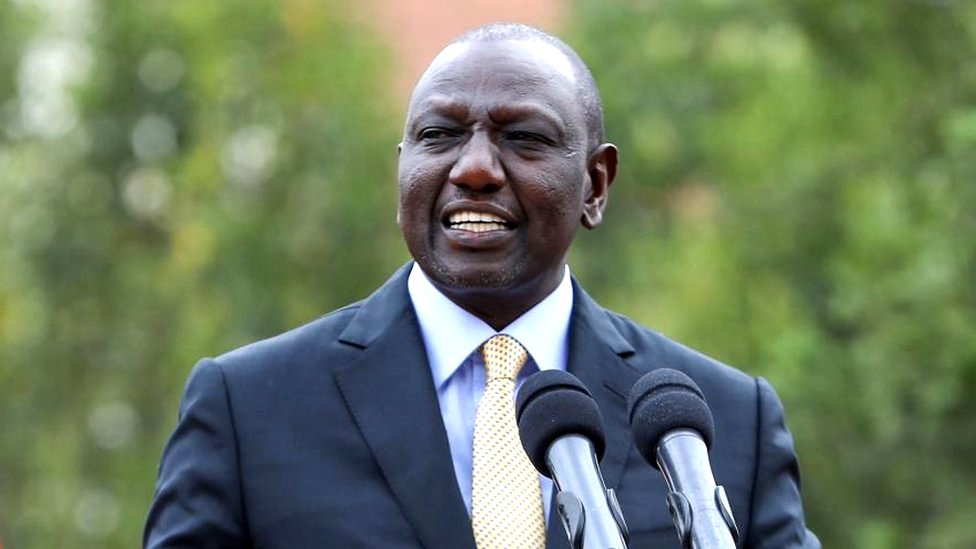
Ruto’s “fiery” speech was controversial not just for its content, but its directness. He accused global institutions and international lenders of being “unfair to Africa” and perpetuated structural injustices. His core demands—including two permanent African seats on the UNSC and a fairer redistribution of Special Drawing Rights (SDRs)—directly challenged the entrenched power structure and financial norms of the Global North.
8. Anti-Colonial and Anti-Zionist Rhetoric: Yasser Arafat (Palestine, 1974)
While representing the Palestine Liberation Organization (PLO), not an African sovereign state, his address was supported by the African and Arab blocs and polarized the Assembly. He spoke with a pistol holster on his belt, attacking Zionism as a form of racism and neocolonialism. His direct challenge to the legitimacy of Israel and his militant imagery ignited a furious debate, leading to the controversial UN resolution equating Zionism with racism.
9. Collective Critique of Global North (Trend): Ramaphosa, etc. (Various)
This represents a controversial trend where African leaders collectively use the UNGA platform to sharply criticize the structural injustices of the IMF, World Bank, and UN institutions. These speeches, while not always a single inflammatory moment, are controversial because they call into question established economic and political powers and norms, demanding a fundamentally equitable overhaul of the entire international system.
10. Silent Act of Protest: Capt. Ibrahim Traoré (Burkina Faso, 2025)

The controversy here was an action, not a speech. Traoré reportedly refused to address the UNGA because the chamber was nearly empty when African leaders were scheduled to speak. This silent protest was a viral, direct critique, interpreted as stating that the global body’s actions—not its rhetoric—show that the world only truly listens to the powerful nations.
11. Kwame Nkrumah – 1960: The Call for Immediate Decolonization and Pan-African Unity
When Ghana’s President Kwame Nkrumah stood before the 15th UN General Assembly in 1960, he didn’t just speak for Ghana—he spoke for an entire continent still under colonial rule. His fiery address was a rallying cry for immediate African independence and Pan-African solidarity, sending shockwaves through the UN chamber.
Conclusion
From Gaddafi’s fiery theatrics to Ruto’s bold demands for global financial reform, African leaders have used the UN General Assembly as more than just a diplomatic stage—it has been a platform to challenge power, rewrite narratives, and confront uncomfortable truths.
While some speeches shocked the world with denial, defiance, or provocative rhetoric, others ignited crucial debates about justice, equality, and Africa’s place in global governance. What remains clear is that African voices at the UNGA are far from silent—they continue to unsettle, inspire, and remind the world that the continent is not a passive observer but an active shaper of international discourse.