


In a significant stride towards bolstering its energy security and unlocking its vast mineral wealth, Namibia, a nation already a major player in global uranium production, is actively engaging with Russia’s state-owned nuclear energy corporation, Rosatom, to explore the development of its first nuclear power plant.
This strategic partnership signals a bold new chapter for the Southern African nation, as it seeks to transform from a raw material exporter to a self-sufficient energy producer, potentially setting a precedent for other African nations eyeing sustainable development through nuclear power.
The move has garnered considerable international attention, highlighting the evolving dynamics of global energy partnerships and Africa’s increasing assertiveness in shaping its own energy future.
Namibia’s Uranium Legacy and Energy Imperatives
Namibia stands as the world’s third-largest uranium producer, a testament to its rich geological endowments. However, despite this abundant resource, the country has historically relied heavily on electricity imports, primarily from neighboring South Africa.
This dependence has exposed Namibia to supply vulnerabilities and economic limitations. The nation’s aspirations for nuclear energy are not new; discussions around harnessing its uranium reserves for domestic power generation have simmered for years.
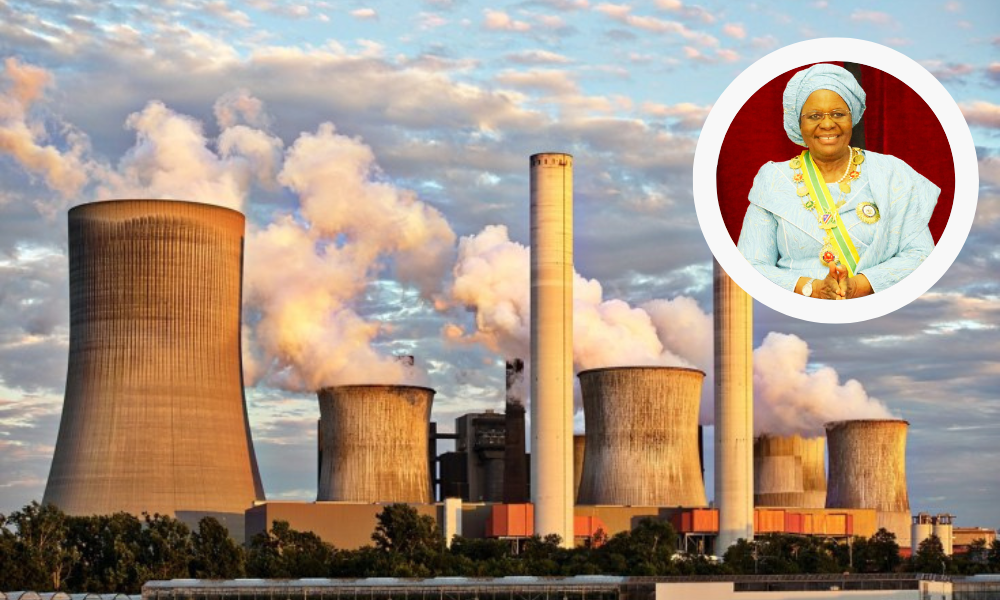
President Netumbo Nandi-Ndaitwah recently confirmed the country’s plans to initiate formal discussions on developing its first nuclear power plant during the 2025 financial year, underscoring a clear commitment to diversifying its energy mix and achieving energy independence.
This vision aligns with Namibia’s broader economic transformation goals, aiming to move up the value chain from simply exporting raw uranium to becoming a producer of clean, reliable energy.
ALSO READ: Niger Seals $400M Crude Oil Deal with China Amid Geopolitical Tensions
Key Developments: Rosatom’s Growing Footprint in Africa
Rosatom, Russia’s state-owned nuclear energy behemoth, has been aggressively expanding its presence across the African continent. With agreements signed with over 20 African nations, Rosatom is positioning itself as a strategic partner in the continent’s nuclear ambitions.
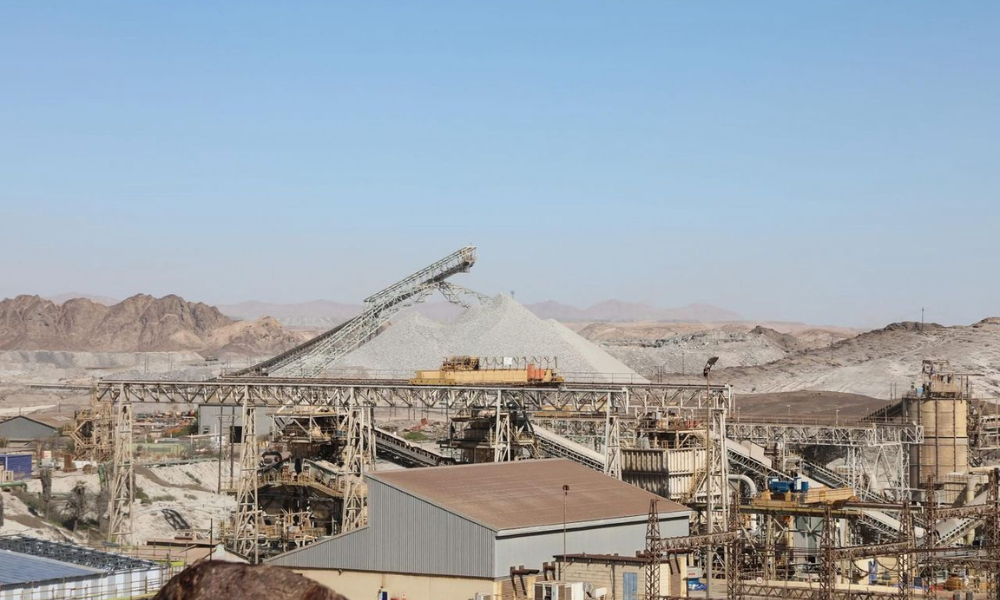
In Namibia, their involvement extends beyond just a potential power plant. Rosatom’s subsidiary, Headspring Investments (Uranium One Group), has been engaged in uranium exploration in Namibia for over a decade, notably with the controversial “Wings” in-situ recovery project in the Omaheke region. While this project faced a moratorium and public concerns regarding water contamination, a recent parliamentary recommendation has supported the continuation of exploration, subject to independent reviews.
The current focus on nuclear power plant development further solidifies Rosatom’s strategic interest in Namibia. Ryan Collyer, CEO of Rosatom Central and Southern Africa, has publicly lauded Namibia’s potential as a “highly promising partner in the field of nuclear energy,” envisioning the nation as a regional leader in low-carbon energy.
Rosatom’s appeal to many African nations lies in its comprehensive offerings, which often include financing models, technology transfer, capacity building, and long-term operational support—elements crucial for developing countries venturing into complex nuclear projects. This robust engagement reflects a broader geopolitical strategy by Russia to strengthen its influence in Africa, leveraging its nuclear expertise and favorable contractual terms.
Impact and Analysis: Opportunities, Challenges, and African Vibrancy
Namibia’s pursuit of nuclear energy with Rosatom presents a tapestry of opportunities and challenges, all resonating with the spirit of African vibrancy.
Opportunities:
- Energy Security and Independence: A domestic nuclear power plant would significantly reduce Namibia’s reliance on imported electricity, providing a stable and predictable power supply. This is crucial for industrial growth, job creation, and overall economic stability.
- Economic Diversification and Value Addition: Moving beyond raw uranium export, Namibia can leverage its resources to generate electricity, adding significant value to its natural endowments. This aligns with the national goal of beneficiation and can stimulate associated industries.
- Clean Energy Transition: Nuclear energy offers a low-carbon alternative to fossil fuels, contributing to global efforts to combat climate change. For Namibia, it presents a path towards meeting its growing energy demands sustainably.
- Job Creation and Capacity Building: The construction and operation of a nuclear power plant, along with supporting infrastructure, would create numerous high-skilled jobs. Partnerships with Rosatom often include provisions for training and human capital development, fostering local expertise in a specialized field.
- Regional Energy Hub Potential: With a surplus of clean energy, Namibia could potentially become a regional electricity exporter, further solidifying its economic standing and contributing to Southern Africa’s energy needs.
ALSO READ: Gazprom Oil Discovery in Burkina Faso (2025) – Fact Check & Context
Challenges:
- High Capital Costs and Financing: Nuclear power plants are inherently expensive to build, requiring substantial upfront investment. Securing favorable financing and managing potential cost overruns will be critical for Namibia.
- Technical Infrastructure and Workforce Development: Namibia currently lacks the extensive technical infrastructure and highly specialized workforce required for nuclear plant construction and operation. Significant investment in education, training, and regulatory frameworks will be necessary.
- Water Scarcity: Namibia is an arid country, and nuclear power plants require considerable amounts of water for cooling. While coastal locations or advanced cooling systems could mitigate this, it remains a significant environmental and logistical consideration.
- Public Perception and Environmental Concerns: The long-term management of nuclear waste, the potential for accidents, and the environmental impact of uranium mining (particularly groundwater contamination concerns from in-situ recovery methods) are significant public and environmental issues that require transparent communication and robust regulatory oversight. Past controversies surrounding uranium mining operations in Namibia highlight the importance of addressing these concerns proactively and effectively.
- Regulatory Frameworks and Safety Standards: Establishing a comprehensive and independent regulatory body that adheres to international safety standards set by the International Atomic Energy Agency (IAEA) is paramount for ensuring the safe and secure operation of a nuclear facility.
- Geopolitical Considerations: While partnering with Rosatom offers numerous benefits, it also intertwines Namibia’s energy future with Russia’s geopolitical interests. Navigating these complexities while maintaining national sovereignty and diverse international relations will be an ongoing diplomatic challenge.
Conclusion
Namibia’s journey towards nuclear energy, championed by Russia’s Rosatom, represents a bold and ambitious undertaking. It is a testament to the nation’s determination to harness its natural resources for the benefit of its people, driving African progress and fostering true energy independence.
While the road ahead is fraught with complex technical, financial, and environmental considerations, the potential for reliable, clean energy to power Namibia’s economic transformation is immense.
As discussions progress and plans materialize, the world will be watching to see how this African energy transition unfolds, hoping it serves as a beacon of sustainable development and resilience for the entire continent.
The success of this initiative will hinge on meticulous planning, robust regulatory oversight, and a deep commitment to transparency and public engagement, ensuring that Namibia’s nuclear vision genuinely uplifts its people and safeguards its precious natural heritage.