


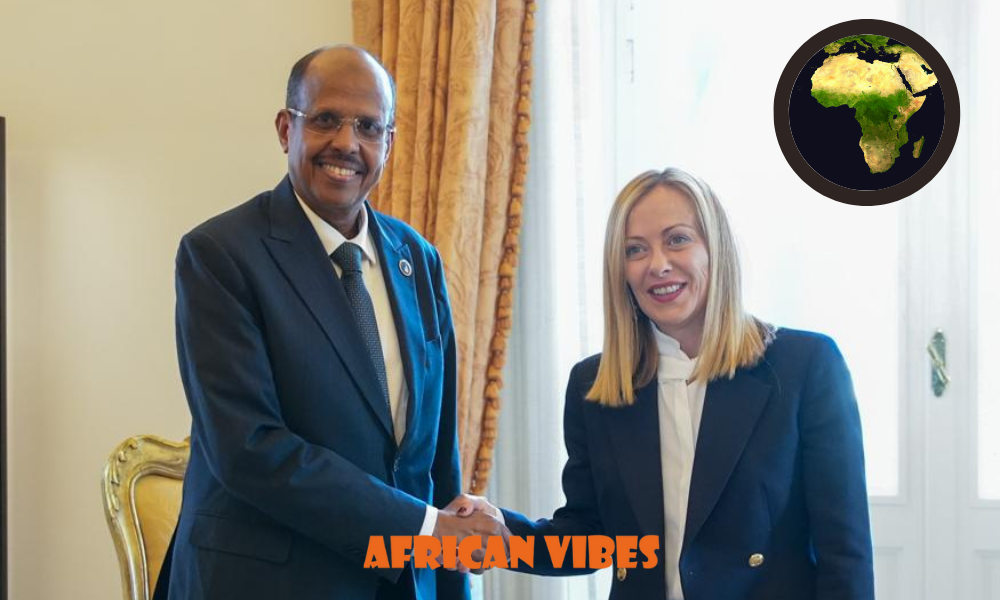
Italy has officially launched the Mattei Plan for Africa, an ambitious development strategy positioned as a “partnership of equals.” Italian Prime Minister Giorgia Meloni describes the initiative as a non-predatory model to promote mutual growth, stability, and development across key sectors including energy, agriculture, education, health, and infrastructure.
Named after Enrico Mattei, founder of Italy’s energy giant ENI, the plan is a nod to post-war ideals of energy independence through cooperation with Africa. But despite lofty ambitions, African leaders are cautiously watching to see if this is genuine change—or another top-down European agenda.
€5.5 Billion Investment with Strategic Intent
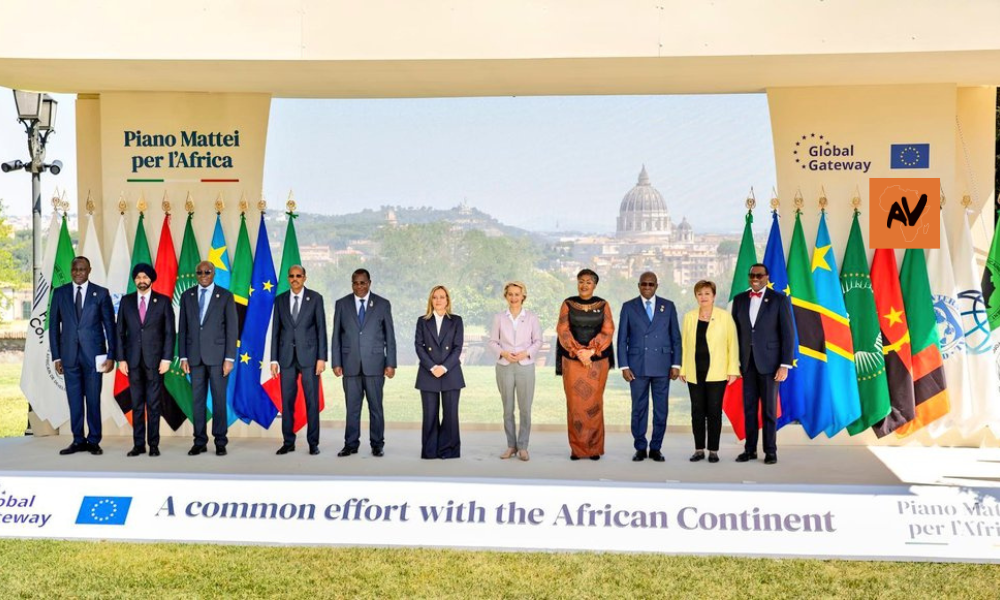
Unveiled in January 2024 during the Italy-Africa Summit, the Mattei Plan allocates €5.5 billion over four years—funded through Italy’s climate and development cooperation funds. Key goals include:
- Transforming Italy into a Mediterranean energy hub
- Addressing the root causes of migration
- Strengthening Italy’s geopolitical role in Africa
The plan is already rolling out in nine African countries, including Kenya, Ethiopia, Morocco, and Côte d’Ivoire, with an additional five—Angola, Ghana, Mauritania, Tanzania, and Senegal—joining in 2025.
ALSO READ: Namibia and Botswana Partner to Build Joint Oil Refinery, Target Fuel Independence
Key Projects: From Pipelines to Coffee Farms
Energy & Infrastructure
Flagship projects include the South H2 Corridor, a hydrogen pipeline connecting North Africa to Europe, and the ELMED submarine cable linking Italy and Tunisia. Italy is also backing renewables and natural gas ventures within Africa, while supporting logistics corridors like the Lobito Corridor connecting DRC and Zambia to Angola’s Atlantic coast.
Agriculture & Food Security
In Kenya, a biofuel initiative is expected to engage 400,000 farmers by 2027. Meanwhile, the EU-supported TERRA project aims to strengthen value chains in climate-resilient crops like coffee.
Education & Skills Development
Recognizing the continent’s youth boom, the plan prioritizes vocational training and labor market-aligned education, a central theme during Italy’s G7 presidency and Africa’s Year of Education.
ALSO READ: Ethiopia Tops Africa’s Sovereign Wealth Fund 2025 Rankings with $45 Billion in Assets
Big Partnerships, Bigger Questions
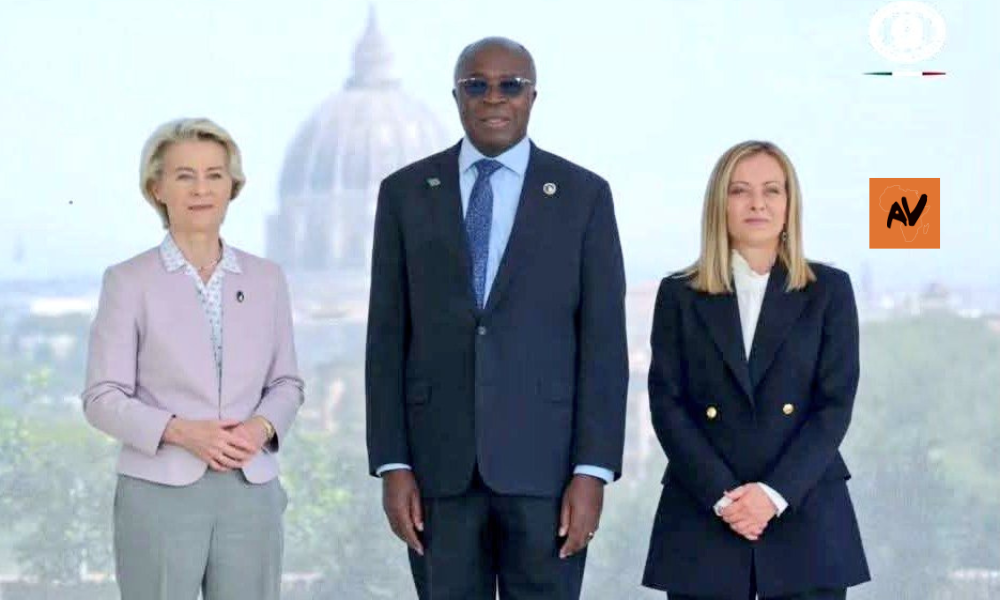
Italy is expanding the plan’s reach through strategic partnerships. A key alliance with the African Development Bank (AfDB)—via the Rome Process/ Mattei Plan Financing Facility (RPFF)—aims to mobilize over $6 billion in additional investment. The plan also ties into the EU’s €150 billion Global Gateway initiative, giving it broader European backing.
However, critics argue that while the investment figures are notable, they fall short for an initiative spanning an entire continent. Others warn that outsourcing financing to multilateral institutions could weaken Italy’s leadership and dilute the plan’s identity.
African Response: “Inclusive or Pre-Cooked?”
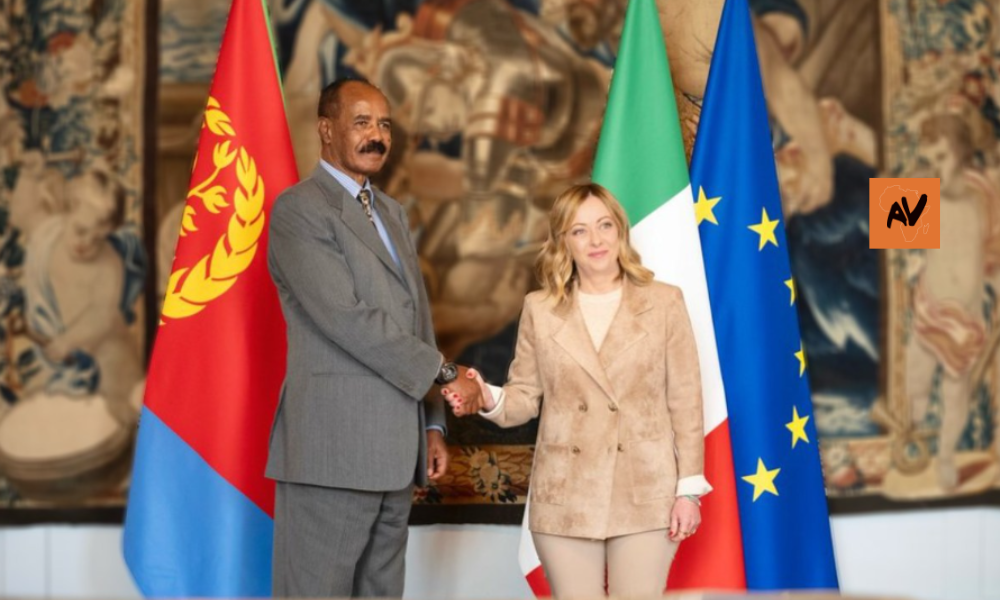
Despite the promise, African leaders have flagged a lack of consultation in the plan’s early stages. AU Commission Chair Moussa Faki Mahamat questioned whether the Mattei Plan was truly co-created or simply presented as a done deal. This concern has fueled skepticism around whether the “equal partnership” rhetoric holds true.
There are also concerns about the plan’s underlying motivations—especially its emphasis on migration control and European energy needs. Critics fear these goals may overshadow deeper development priorities.
Balancing Opportunity with Ownership
If implemented transparently and collaboratively, the Mattei Plan could help diversify Africa’s international partnerships—offering an alternative to initiatives like China’s Belt and Road. Its support for local agriculture, education, and renewable energy could foster job creation, food security, and inclusive growth.
But success depends on how Italy follows through. Will African governments and civil society be genuinely empowered to shape implementation? Will profits and benefits remain within local economies?
Conclusion: The Real Test is in Delivery
The Mattei Plan signals Italy’s strategic pivot in Africa, offering an opportunity to break from extractive development models. But for the plan to resonate, it must go beyond promises—ensuring genuine African participation, sufficient funding, and a clear focus on local priorities.
Whether this marks a reset in Africa-Europe relations or a rebranded continuation of past patterns remains to be seen. For now, Africa is watching closely—and asking for action over rhetoric.