



One year after the historic Gen Z-led protests, a nation stands at a crossroads. As June 25th, 2025 approaches, Kenyans are preparing to commemorate a day that has become synonymous with youth-led activism, civic resistance, and a national reckoning with power.
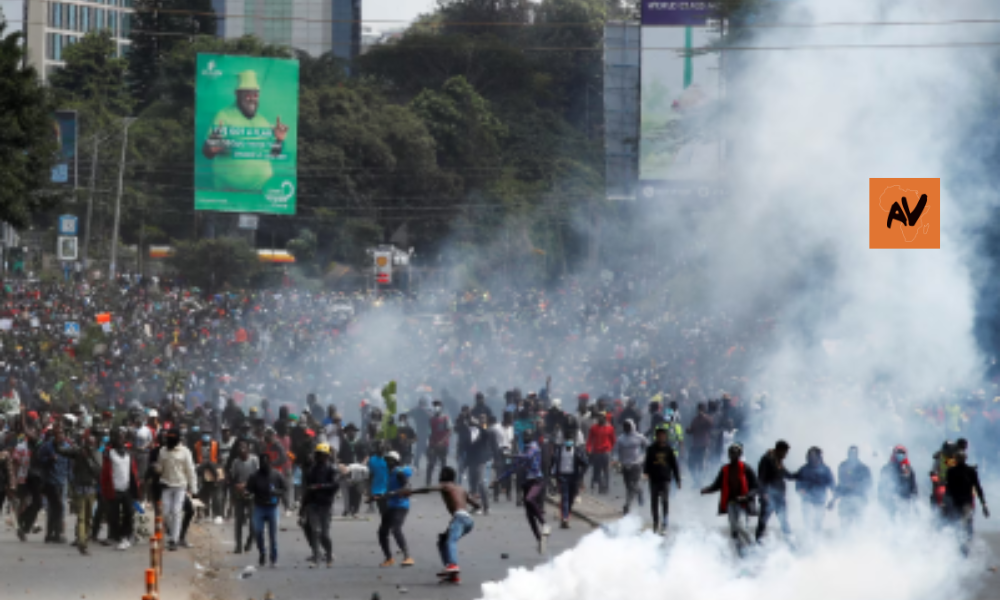
On this day one year ago, thousands of young Kenyans took to the streets to protest the controversial Finance Bill 2024—an event that would mark one of the most significant democratic uprisings in Kenya’s modern history.
Remembering the Day That Shook Kenya
The 2024 protests, widely known as the “Gen Z Protests,” erupted in response to a deeply unpopular Finance Bill that proposed sweeping tax hikes on essentials including fuel, diapers, mobile money, and internet services. The bill’s additional proposals—such as granting the Kenya Revenue Authority access to citizens’ financial records without court orders—fueled public outrage.
But what made the protests historic wasn’t just the bill itself. It was the rise of Gen Z as a potent political force. Powered by platforms like TikTok, Instagram, and X (formerly Twitter), young Kenyans organized organically and without traditional political leadership. Using hashtags like #RejectFinanceBill2024, they mobilized across the country, calling out economic injustice, corruption, and authoritarian governance.
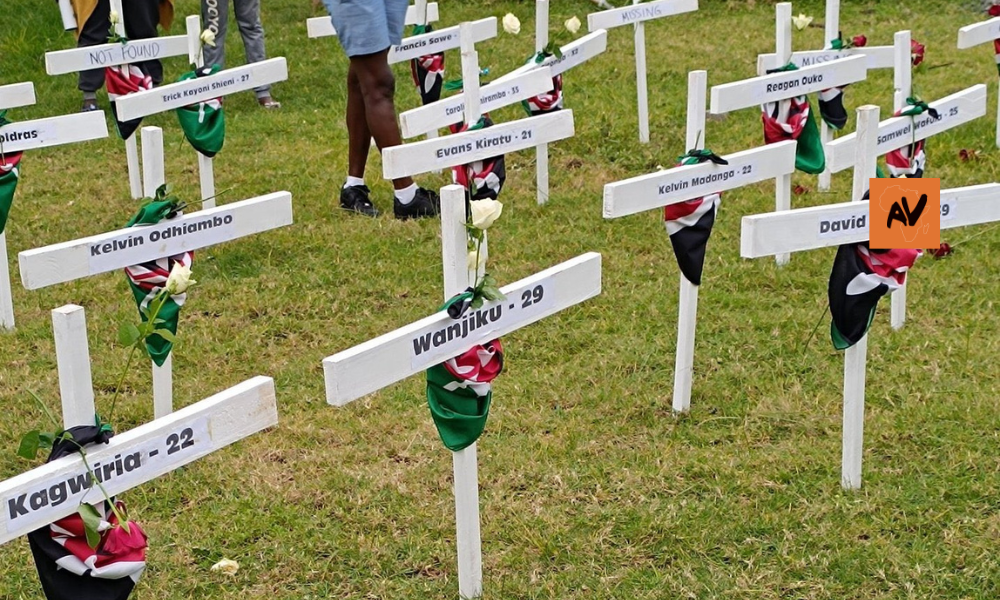
On June 25th, 2024, the protests reached a boiling point. Demonstrators breached the gates of Parliament. What followed was a violent state crackdown: dozens killed, hundreds injured or disappeared, and a nation left in mourning. The next day, under immense pressure, President William Ruto’s administration withdrew the Finance Bill—a victory earned at great human cost.
ALSO READ: Kenya Finance Bill 2024 Sparks Mass Protests in Nairobi
A Nation Divided on Commemoration
Now, a year later, June 25th has taken on dual meaning—a memorial for the fallen and a flashpoint for renewed dissent.
Civil society organizations, opposition leaders, and victims’ families are calling for it to be recognized as a “People’s Public Holiday.” Across Nairobi and other cities, plans are underway for peaceful vigils, candle-lighting ceremonies, and symbolic processions.
However, the government insists it will be a regular working day. Government Spokesperson Isaac Mwaura has warned against any disruptive public demonstrations, prompting concerns that authorities may once again clamp down on peaceful assemblies. Nairobi Police Commander George Seda has pledged that officers will maintain public safety, but rights groups like Amnesty International Kenya and IPOA remain wary of possible excessive force—especially in light of the recent death of blogger Albert Ojwang in police custody.
The tension underscores a deeper national divide: between a youthful population demanding reform and a government intent on maintaining control.
Gen Z’s Legacy: A New Political Era
The Gen Z protests didn’t just stop a bill. They redefined youth participation in Kenyan democracy.
Unlike past movements defined by ethnic or political affiliations, these protests were cross-cutting and unified. They also bypassed traditional media, offering a new template for activism in the digital age. Livestreams, viral hashtags, and citizen journalism empowered young people to shape narratives and call out injustice in real-time.
Beyond the streets, the protests reignited debates around police reform and human rights. Groups like the Kenya National Commission on Human Rights (KNCHR) and Amnesty International Kenya continue to demand justice for the victims of the 2024 crackdown. There are calls for structural reform within the police force—better training, accountability mechanisms, and an end to extrajudicial killings.

ALSO READ: Kenya President Withdraws Controversial Tax Bill After Deadly Protests
Kenya in the Context of a Continental Youth Awakening
The Gen Z protests in Kenya mirror a broader wave of youth-led uprisings across Africa. From #EndSARS in Nigeria to #FeesMustFall in South Africa, young Africans are refusing to be silent. They are organizing, resisting, and reshaping national dialogues in ways that once seemed unimaginable.
Kenya’s experience stands as both a beacon and a warning—a testament to what is possible when young people rise, and a reminder of the perils they still face.
A Day to Reflect—and to Act
As Kenya marks the first anniversary of this watershed moment, one thing is clear: the movement is far from over. The demands for justice, transparency, and meaningful democratic engagement still echo loudly. June 25th, 2025, is not merely a date of remembrance. It is a call to action—for the government to listen, for institutions to reform, and for the youth to stay vigilant.
In the words of a protest placard that went viral last year:
“We are not the leaders of tomorrow—we are the voice of today.”