


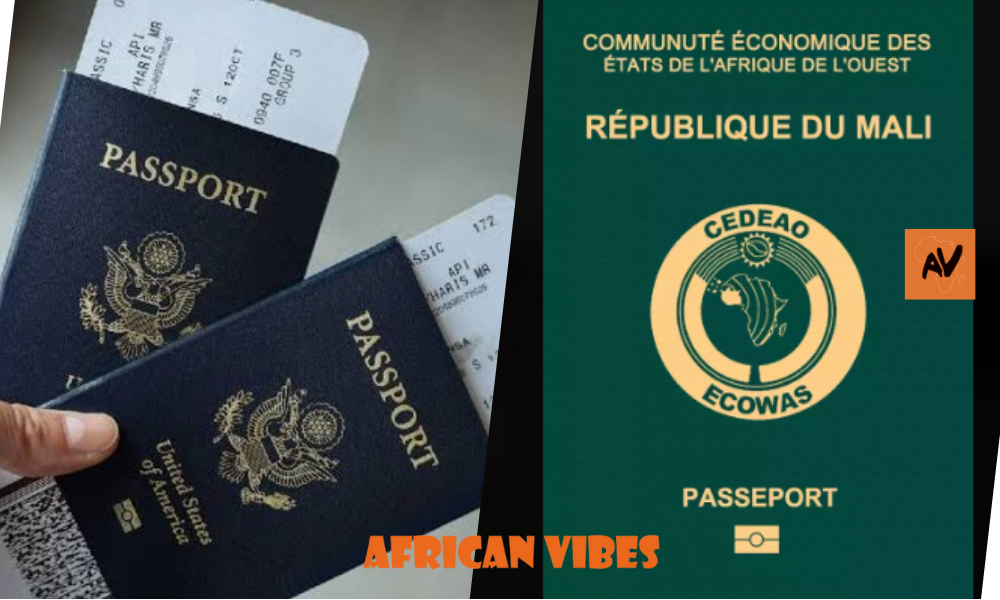
In the world of diplomacy, the smallest administrative change can carry the weight of a revolution. That’s what happened when Mali’s Ministry of Foreign Affairs quietly announced that U.S. citizens seeking business or tourist visas would now be required to post a refundable bond of up to $10,000.
The move mirrored a U.S. State Department policy that had imposed similar financial conditions on Malian nationals under a temporary pilot program meant to curb visa overstays. But to Bamako, it wasn’t just a paperwork matter—it was an affront. So Mali drew a line, literally and symbolically, in the Sahelian sand.
This was not just a tit-for-tat visa tweak. It was a declaration of parity—a statement that African nations will no longer accept diplomatic hierarchies disguised as “security measures.” Mali’s action reframes the relationship between Washington and Bamako, transforming what might have been a quiet consular dispute into a defining moment of African self-determination.
ALSO READ: Elon Musk and the Battle Over H-1B Visas in the Global Talent Economy
The Principle of Reciprocity: Diplomacy’s Forgotten Rule
The U.S. bond policy, introduced in 2020 but recently revived, required certain visa applicants from countries deemed “high-risk” for overstays—including Mali, The Gambia, and Tanzania—to deposit between $5,000 and $15,000 before traveling. For many Africans, it felt less like policy and more like profiling.
Mali’s response was pure reciprocity—an international relations principle so rarely used by smaller nations that it felt almost revolutionary. The Malian Foreign Ministry declared that “any visa condition imposed on a Malian citizen shall be identically imposed on the citizens of that state.”
By holding up a mirror to Washington’s policy, Bamako forced U.S. officials to confront the everyday inequities baked into global diplomacy. In one stroke, Mali transformed the visa—often a symbol of dependency—into a weapon of equality.
The government also accused the U.S. of breaching a 2005 bilateral visa agreement, describing the American bond policy as “unilateral and discriminatory.” Behind that diplomatic language lay a clear message: we will not be lectured on sovereignty by those who break their own agreements.
Beyond Bureaucracy: The Politics of Self-Determination
To understand why this seemingly minor policy struck such a deep chord, you have to step back and look at Mali’s evolving geopolitical identity.
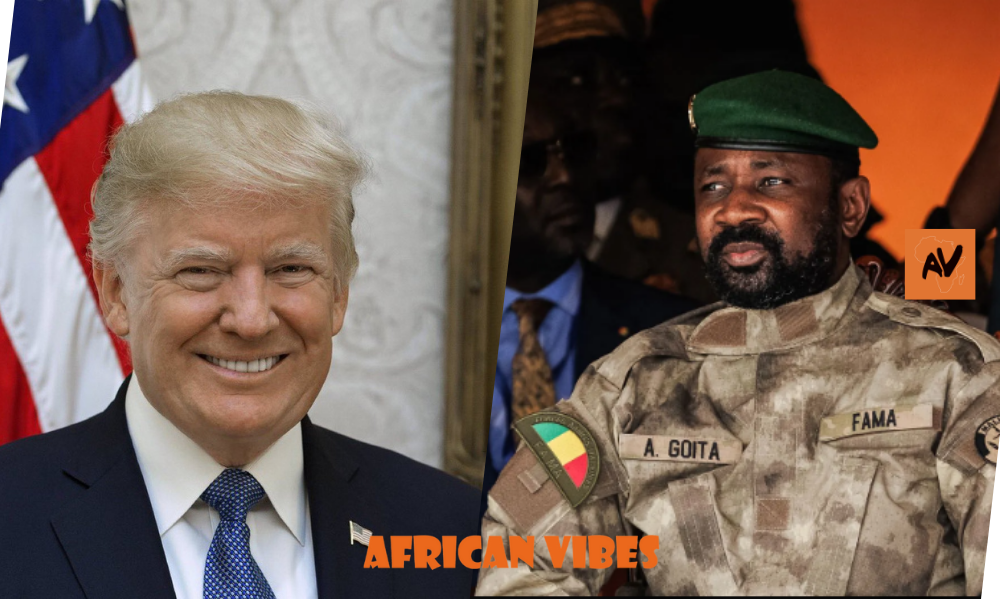
Since the 2021 military takeover led by Col. Assimi Goïta, Mali has been redefining what it means to be sovereign in a postcolonial context. The expulsion of French troops, the embrace of Russian security partners, and the withdrawal from ECOWAS have all signaled a desire to build alliances on new terms.
To Western observers, these moves appear destabilizing. To many Malians, they represent liberation.
The visa bond retaliation sits squarely in this narrative of defiance. When the U.S. proposed that Mali accept deportees from other countries—a move Bamako rejected—Mali’s foreign minister reportedly saw it as “blackmail.” His refusal, followed by the bond policy, was a direct response: we will not be your holding cell, nor your scapegoat.
In that refusal lies something more than diplomacy—it’s the Pan-African ideal of equal partnership, reborn in the 21st century.
ALSO READ: Ghana’s Deportee Deal Sparks Rights Lawsuit and Pan-African Backlash
Bamakonomics: When Diplomacy Meets the Gold Trade
There’s also a pragmatic layer to Bamako’s boldness. Mali is rich in gold, lithium, and other critical minerals. U.S. companies have ongoing operations and partnerships across its mining sector. For those firms, the $10,000 bond introduces new friction—each executive trip now tied up in thousands of dollars in refundable deposits.
This policy, what local observers call “Bamakonomics,” leverages Mali’s position as a resource powerhouse to assert financial sovereignty. The message is clear: if the United States can impose economic burdens on Malians for traveling, Mali can impose the same on Americans seeking to extract its wealth.
A Continental Echo: West Africa’s New Diplomatic Confidence
Mali’s stand doesn’t exist in isolation. Across the Sahel, similar sentiments are taking root. Burkina Faso, Niger, and Guinea—all led by transitional governments—are rethinking their foreign alignments and rejecting what they see as neocolonial dependency.
The U.S. pilot visa bond list, dominated by African nations, has amplified these grievances. To many African diplomats, it exemplifies a deeper problem: a global system that measures compliance through Western metrics of mobility, rather than mutual respect.
In this context, Mali’s decision becomes not an outlier, but a prototype—a small nation reminding the world that equality in diplomacy is not requested, it’s enforced.
The Price of Parity
At first glance, a $10,000 visa bond looks punitive. But for Mali, the number is symbolic. It quantifies the cost of being treated as unequal—and dares global powers to pay it.
It’s unlikely that the policy will generate significant revenue; that’s not the point. Its real currency lies in dignity.
In drawing this reciprocal line, Mali has joined a growing chorus of African nations asserting that their sovereignty is not negotiable. Whether through resource policy, security partnerships, or even visa forms, the continent is learning to speak the language of power—and to demand it be spoken back with respect.
The Final Word: Dignity as Diplomacy
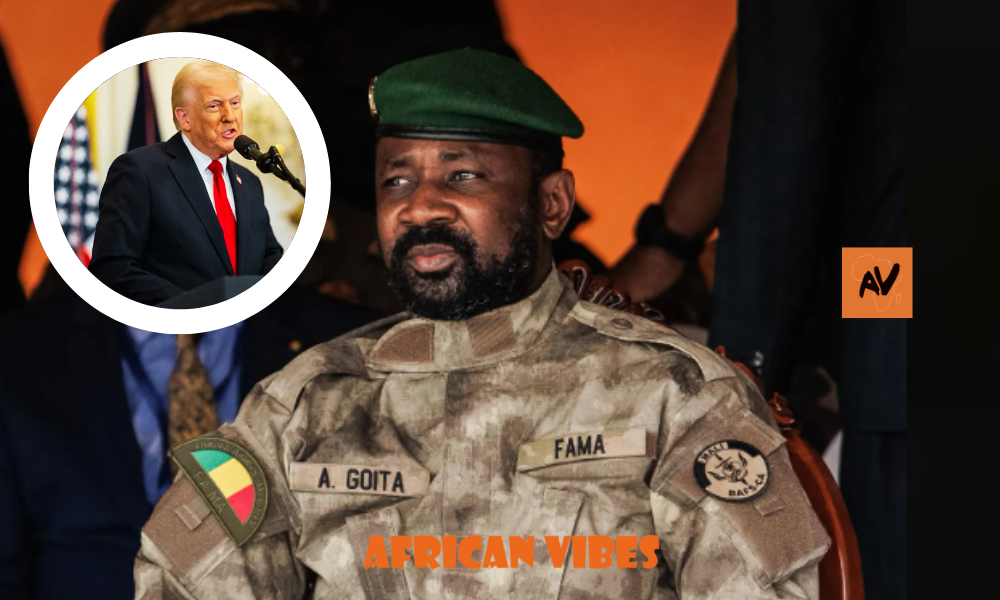
What Bamako has done is deceptively simple but profoundly symbolic. In a world where power often hides behind procedure, Mali has turned procedure into protest. The $10,000 bond is not just a fee—it’s a reminder that equality in global relations cannot exist without reciprocity.
For decades, Africa has been spoken to, partnered with, and often managed. Mali’s act of bureaucratic rebellion flips that dynamic. It says: We, too, can set the terms. And in that gesture—quiet, precise, and unflinching—lies the future of African diplomacy.