


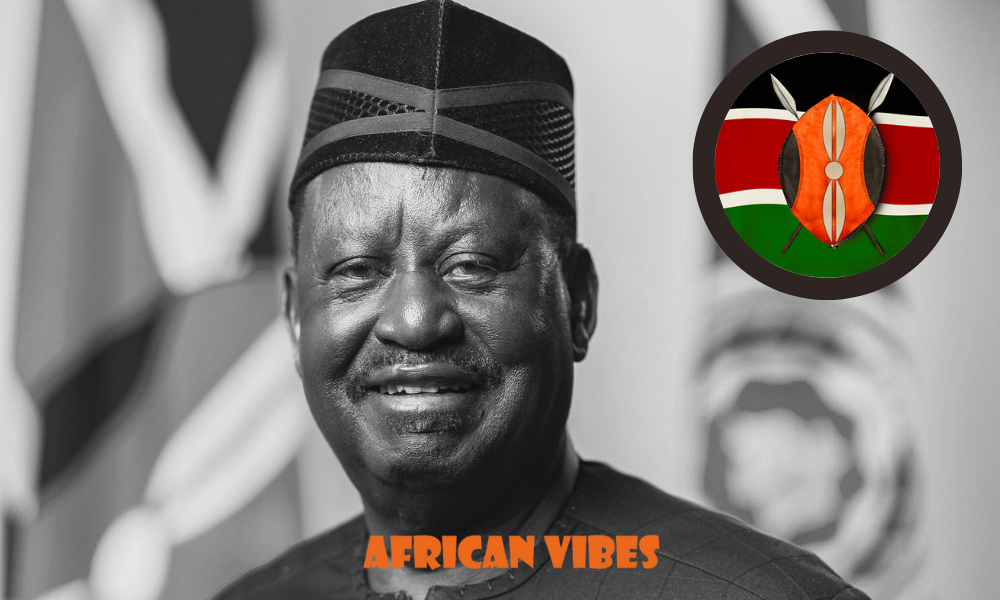
Raila Amolo Odinga, the former Prime Minister, veteran opposition leader, and indomitable symbol of Kenya’s democratic struggle, has died at the age of 80.
His death on Wednesday, October 15, 2025, at an Ayurvedic treatment facility in Kerala, India, after a cardiac arrest, marks the end of a political era that defined Kenya’s post-independence story. For millions, Odinga was more than a politician — he was Baba, a father figure, a protester-turned-statesman whose career embodied the triumphs and contradictions of African democracy itself.
For over four decades, Raila Odinga was the gravitational force of Kenyan politics — a man who never became president, yet whose shadow loomed over every presidency. His name evoked resistance and reform in equal measure. He endured detention and exile, built movements that transcended ethnic fault lines, and forged alliances that remade the nation’s political landscape.
His passing leaves a profound void in Kenya’s opposition politics — and closes the most consequential chapter in the nation’s democratic evolution.
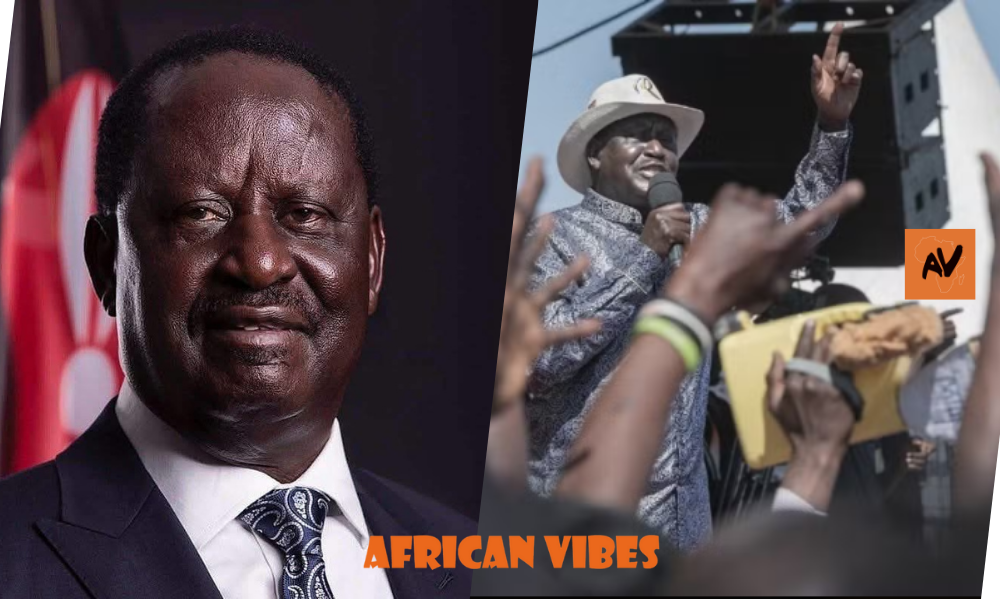
The Making of ‘Baba’: From Prisoner to People’s Champion
Born in 1945 in Maseno, western Kenya, Raila Odinga was heir to a political dynasty and a revolutionary spirit. His father, Jaramogi Oginga Odinga, Kenya’s first Vice President, broke ranks with founding President Jomo Kenyatta, cementing the Odinga family as the moral compass of Kenya’s dissenting politics.
Educated in East Germany as a mechanical engineer, Raila’s ideological roots ran deep in socialism and Pan-African thought. But his true political awakening came not in lecture halls, but in the cells of the Moi dictatorship.
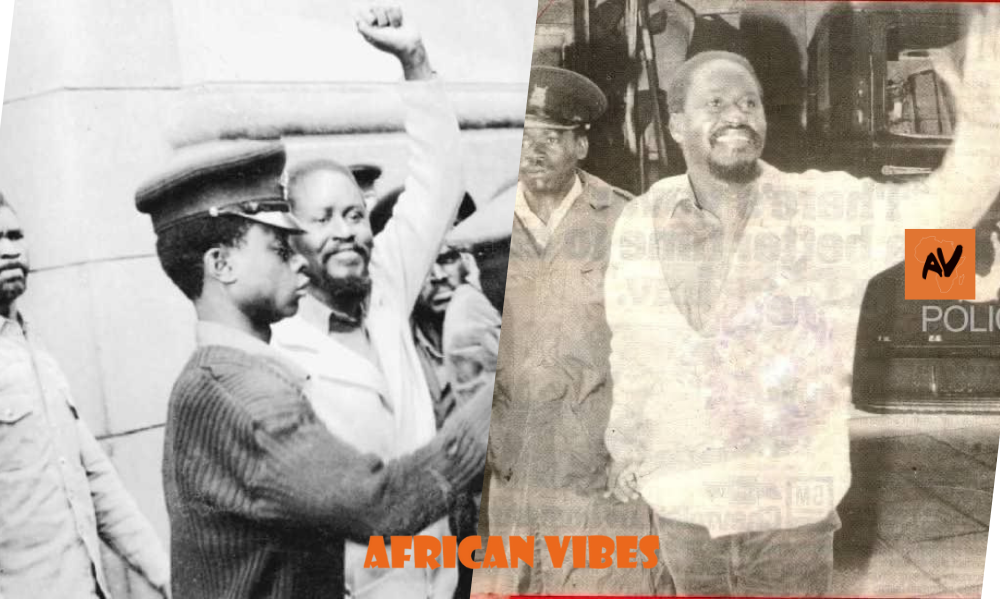
In the aftermath of the failed 1982 coup attempt, Odinga was accused of involvement and detained without trial for six years — the first of three imprisonments that would total nearly nine years behind bars.
Those years of confinement became his crucible. Emerging from detention, Odinga was transformed — not broken, but emboldened. He became the face of Kenya’s Second Liberation, a movement that challenged the one-party state and demanded the return of multiparty democracy. His name became synonymous with courage in the face of repression.
When political pluralism was finally restored in 1991, Odinga entered Parliament, not merely as a politician, but as a symbol of resistance made flesh. His voice carried the moral weight of a generation that refused to be silenced.
The Architect of a New Kenya
Odinga’s political genius was as much strategic as it was idealistic. In 2002, he orchestrated one of the most dramatic political coalitions in Kenya’s history. Breaking from President Moi’s ruling party, he galvanized a diverse alliance under the National Rainbow Coalition (NARC). Then, in three electrifying words — “Kibaki Tosha!” — he anointed Mwai Kibaki as the opposition’s flagbearer, delivering a landslide victory that ended 40 years of KANU rule.
But unity proved fleeting. Disillusioned by broken reform promises, Odinga led the victorious “No” campaign in the 2005 constitutional referendum — a movement that birthed the Orange Democratic Movement (ODM), one of Africa’s most enduring political parties.
The disputed 2007 election would test both Kenya’s democracy and Odinga’s mettle. The violence that followed left over 1,300 dead and thousands displaced. Yet, in the ashes of national crisis, Odinga once again chose compromise over chaos. Through international mediation, he entered into a historic power-sharing government with President Kibaki, assuming the newly created role of Prime Minister.
That uneasy coalition paved the way for the 2010 Constitution, a transformative document that devolved power, strengthened civil liberties, and institutionalized the reforms Odinga had fought for all his life. Though never president, he became a founding father of modern Kenya’s constitutional order.
ALSO READ: Kenyan President And Opposition Leaders Do The Most Heart Warming Thing To Unite Kenyans
The Handshake: The Statesman’s Final Masterstroke
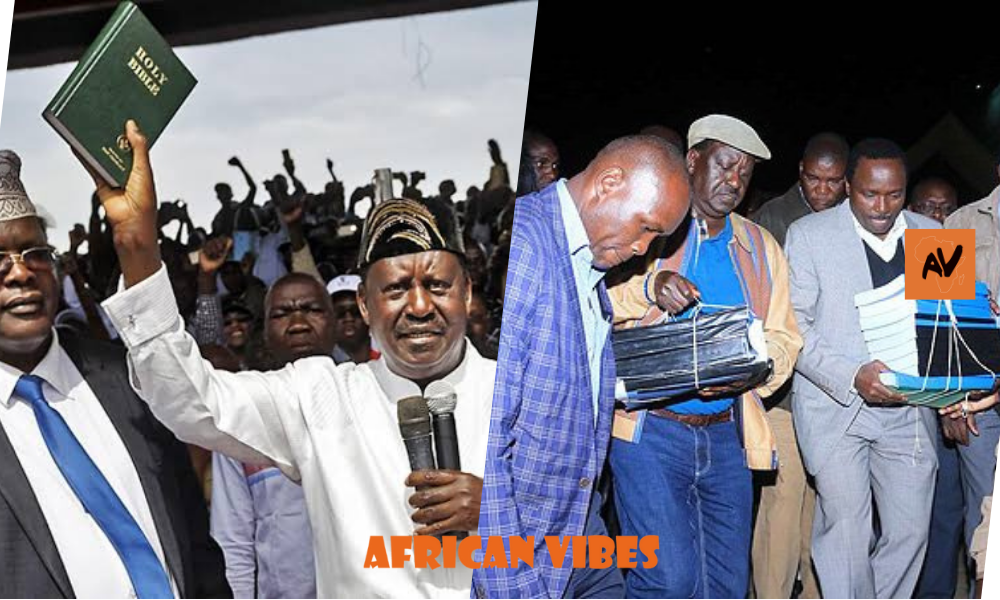
After losing the 2013 and 2017 presidential contests — both of which he challenged in court — Odinga seemed poised for political twilight. But his most unexpected act was yet to come.
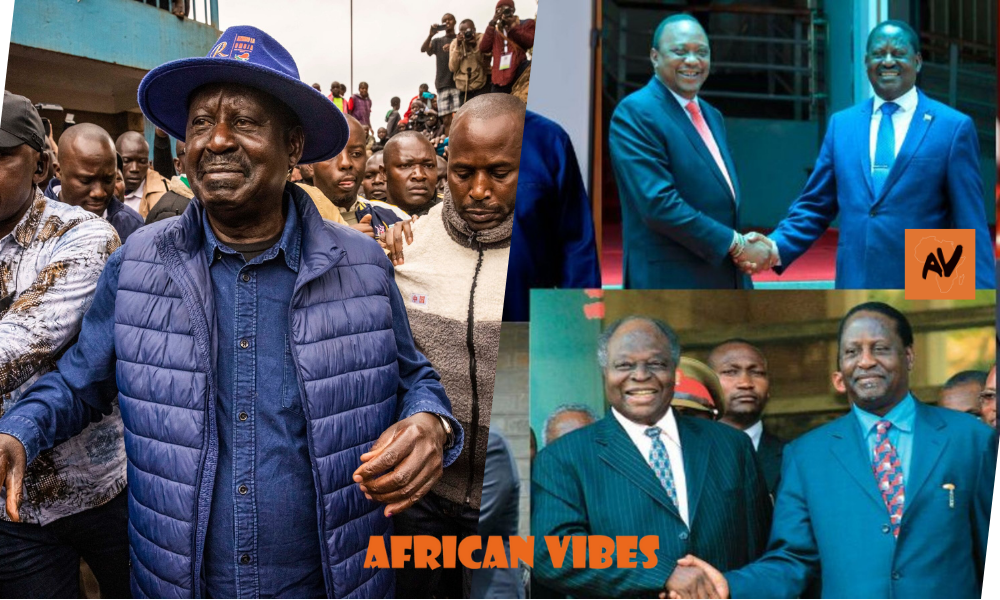
On March 9, 2018, he stunned the nation by appearing on the steps of Harambee House beside his longtime rival, President Uhuru Kenyatta. Their public embrace, immortalized as “The Handshake,” defused a volatile political standoff and redefined Kenya’s political ethos.
The two leaders co-sponsored the Building Bridges Initiative (BBI) — a sweeping reform proposal aimed at addressing Kenya’s endemic ethnic and governance crises. Though ultimately nullified by the courts, BBI represented Odinga’s enduring belief that reconciliation, not revenge, was the path to stability.
In his later years, Odinga transcended partisanship, morphing into a continental figure. As the African Union’s High Representative for Infrastructure Development, he championed Pan-African connectivity and economic integration. His bid for the African Union Commission Chairperson in 2024, though unsuccessful, symbolized his transition from national agitator to continental elder.
ALSO READ: Economic Impact of Uhuru Kenyatta and Raila Odinga Handshake in Kenya
The Final Chapter: The Man Who Redefined Power
Raila Odinga’s fifth and final run for president in 2022, under the Azimio la Umoja–One Kenya Coalition, was his last dance with destiny. Backed by former rival Kenyatta, he narrowly lost to William Ruto, a result he once again contested but ultimately accepted through constitutional channels.
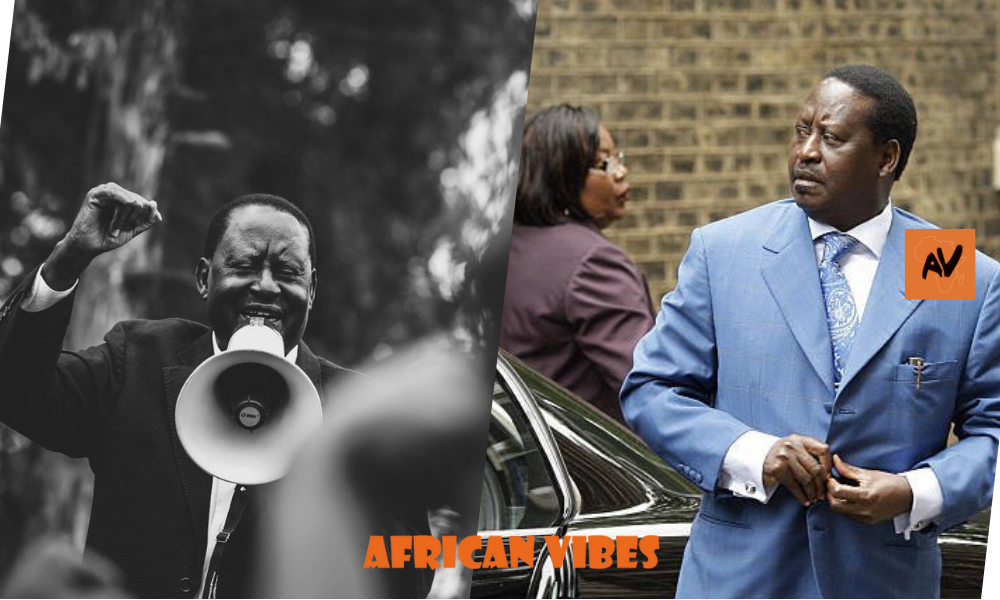
In his twilight years, he continued to rally Kenyans for transparency, accountability, and unity — often through peaceful protests that reminded the nation of his unbroken bond with the streets that made him.
To the very end, he was both insider and outsider — a man of the establishment and its most tireless critic.
A Legacy Etched in Struggle and Reconciliation
Raila Odinga’s death leaves Kenya at a political crossroads. The Azimio coalition, now bereft of its unifying force, faces an uncertain future. Yet his legacy endures far beyond the political structures he built.
He was the rare opposition figure whose defeats transformed nations — whose every loss sparked dialogue, reform, or a handshake that averted national collapse. He turned dissent into a democratic virtue and transformed the dream of multiparty democracy into lived reality.
In the end, Odinga proved that true leadership does not reside in titles, but in the courage to confront power, to compromise for peace, and to believe, stubbornly and endlessly, in a freer tomorrow.
“He never became president,” said one longtime ally, “but he made Kenya more democratic than any president ever did.”
His life was the story of Kenya’s political soul — complex, defiant, and forever unfinished.
May the enduring enigma of Raila Odinga rest in peace.