



In a move that underscores a significant shift in West Africa’s economic and political landscape, Mali, Burkina Faso, and Niger—collectively known as the Alliance of Sahel States (AES)—have imposed a 0.5% levy on imported goods.
This initiative aims to fund their nascent three-state union following their departure from the Economic Community of West African States (ECOWAS). The levy applies to all imports entering these countries, excluding humanitarian aid, and is set to take immediate effect.
The Road to Economic Independence After ECOWAS Exit
The establishment of the AES and the implementation of the import levy can be seen as deliberate steps toward dismantling neo-colonial economic ties and asserting autonomy. By generating internal revenue, the AES aims to fund its operations without reliance on external aid, which has historically come with strings attached, often influencing domestic policies and priorities.

ALSO READ: Sahel Alliance Eliminates Roaming Charges. Here’s What AfCFTA Can Learn
The AES has articulated ambitious plans for economic integration and independence. Central to these plans is the creation of an economic and monetary union, including the introduction of a new currency to replace the CFA franc, which is currently tied to the French economy. This move is intended to reduce foreign influence and promote self-reliance among member states.
Additionally, the AES aims to implement a common visa policy to boost regional integration and facilitate the free movement of people and goods across member states. This policy is part of the broader Confederation project announced in 2024, designed to enhance cooperation and integration among AES member states.
Post-Colonial Pragmatism or New Pan-Africanism?
The legacy of colonialism in Africa is profound, with European powers historically exploiting the continent’s resources and imposing economic structures that prioritized colonial interests over local development.
Even after achieving political independence, many African nations found themselves economically tethered to their former colonizers through mechanisms like the CFA franc, a currency used by several West African countries and linked to the French treasury. This arrangement has often been criticized for perpetuating economic dependence and hindering true sovereignty.
A Bold Assertion of Sovereignty
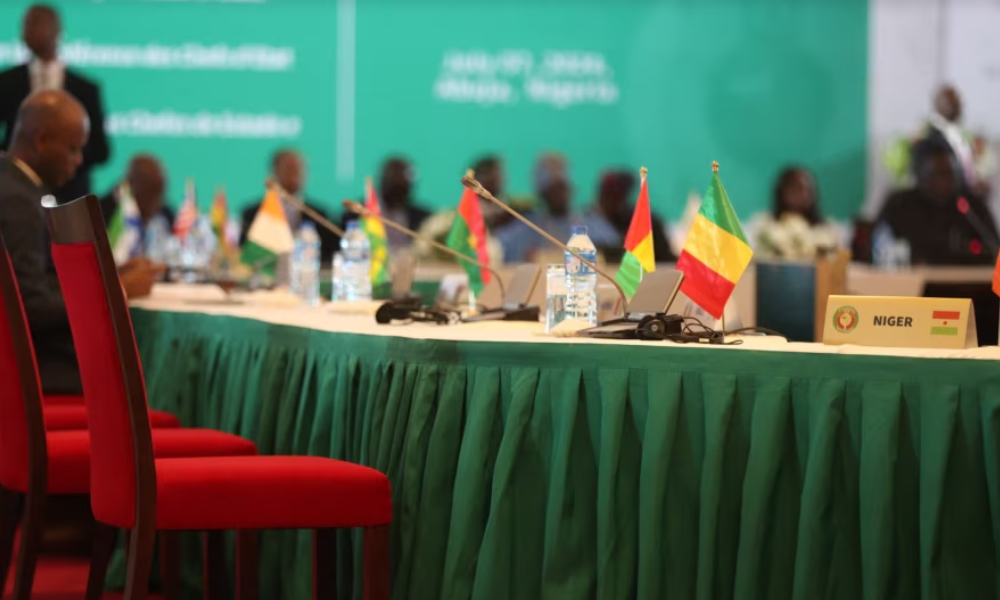
The introduction of this import levy is more than a fiscal measure; it represents a bold assertion of sovereignty by the AES nations. By establishing their own economic policies independent of ECOWAS, these countries are signaling a desire to chart a new course, free from the perceived constraints of the regional bloc.
ALSO READ: A New Dawn in The Sahel: Mali, Burkina Faso, and Niger Forge Path Towards Confederation
The establishment of the AES and the implementation of the import levy can be seen as deliberate steps toward dismantling neo-colonial economic ties and asserting autonomy. By generating internal revenue, the AES aims to fund its operations without reliance on external aid, which has historically come with strings attached, often influencing domestic policies and priorities.
Dr. Ndongo Samba Sylla, a Senegalese economist, observes:
“The Sahel states are not just rebelling against ECOWAS—they’re rejecting the historical consensus that African governance and integration must be externally validated. Whether this succeeds or fails, it’s a serious attempt to redraw the lines.”
This move follows their formal withdrawal from ECOWAS on January 29, 2025, after a year-long period of strained relations and diplomatic efforts aimed at reversing their decision.
Implications for Regional Dynamics
The AES’s move raises critical questions about the future of regional cooperation in West Africa. While ECOWAS has long been the cornerstone of regional integration, its perceived alignment with former colonial powers has led to skepticism among member states seeking genuine independence. The AES’s approach may inspire other nations to explore alternative models of collaboration that prioritize indigenous interests over external influences.
Furthermore, the introduction of the import levy challenges existing trade norms within the region. While it may lead to short-term economic adjustments, it also sets a precedent for African nations to implement policies that reflect their unique economic realities and aspirations.
Challenges and Criticisms
While the AES’s initiatives have been met with enthusiasm among supporters, they also face significant challenges and criticisms. The imposition of the import levy, for instance, has raised concerns about potential trade disruptions and increased costs for consumers. Critics argue that such measures could further isolate the AES countries economically and strain relationships with neighboring nations that remain within ECOWAS.
Moreover, the departure from ECOWAS has led to questions about the future of regional stability and security. ECOWAS has played a pivotal role in promoting economic integration, conflict resolution, and democracy in West Africa. The exit of Mali, Burkina Faso, and Niger raises concerns about the weakening of these efforts and the potential for increased instability in the region.

A New Model for African Integration?
The AES’s actions reflect a growing sentiment among African nations to chart their own course, free from the lingering shadows of colonialism. By prioritizing self-reliance and regional solidarity, the AES presents a model that, if successful, could redefine economic integration on the continent. This initiative underscores the importance of African-led solutions to African challenges, emphasizing the need for structures that genuinely serve the interests of the continent’s people.
As the AES navigates the complexities of this transition, its experiences may offer valuable insights for other African nations grappling with similar issues of sovereignty, economic independence, and regional cooperation.
Looking Ahead
As the AES forges ahead with its plans for economic integration and independence, the coming months will be critical in determining the success of this bold experiment. The implementation of the import levy and other initiatives will need to be carefully managed to balance the pursuit of sovereignty with the practical realities of economic interdependence.
The international community will be watching closely as the AES navigates these uncharted waters. The outcomes of their efforts could have far-reaching implications, not only for the member states but also for the broader West African region and beyond.
In conclusion, the 0.5% import levy introduced by Mali, Burkina Faso, and Niger is more than a fiscal policy; it is a statement of intent, a declaration of independence, and a test case for the viability of a new economic bloc in West Africa. The success or failure of this initiative will undoubtedly shape the future of regional integration and cooperation in the years to come.
Reference: BBC News