


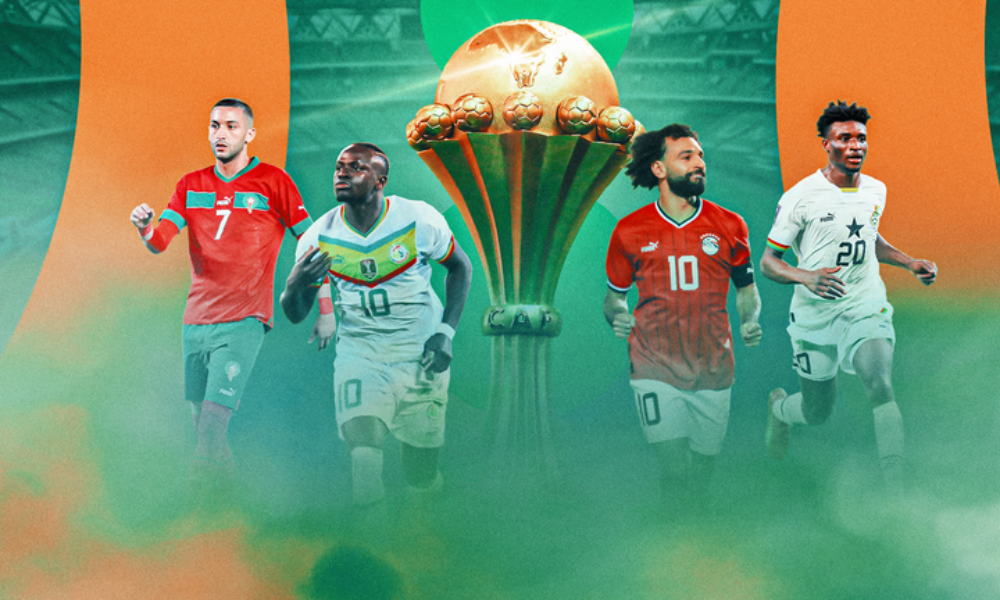
RABAT, Morocco — The path to the 2026 FIFA World Cup has narrowed to a single, unforgiving sprint for four of Africa’s most resilient football nations — Nigeria, Cameroon, Gabon, and the Democratic Republic of Congo. Between November 13th and 16th, the historic city of Rabat, Morocco, will host a high-stakes, winner-takes-all mini-tournament that could define the next chapter of African football.
At stake: a single ticket to the inter-confederation play-off, and with it, a shot at Africa’s tenth and final place at the global showcase in North America.
This is more than a football tournament. It’s a cultural crucible where history, rivalry, and pride collide — and where one nation’s four-year odyssey will end in heartbreak, while another’s will continue toward global glory.
A New Era for African Football
The expanded 48-team World Cup format has reshaped football’s geography, and Africa stands among the greatest beneficiaries. Nine nations — including continental heavyweights like Morocco, Senegal, and Egypt, alongside newcomers Cape Verde — have already secured their berths.
But the new structure offered a precious lifeline: a play-off for the four best runners-up, a dramatic twist that gives Africa a possible tenth spot at the world’s biggest stage.
And so, four giants converge in Rabat for the final act of this qualification cycle — an arena where legends may be reborn and dreams extinguished within ninety minutes.
Tournament at a Glance
| Event | CAF Second Round (African Qualifiers for the Inter-Confederation Play-Off) |
|---|---|
| Host City | Rabat, Morocco |
| Dates | November 13–16, 2025 |
| Format | Two single-leg semi-finals, followed by a single-leg final |
| Prize | Qualification for the FIFA Inter-Confederation Play-Off (March 2026) |
| Teams | Nigeria, Cameroon, Gabon, DR Congo |
Morocco — the continent’s most decorated footballing stage in recent years — offers a neutral yet symbolic battleground. Fresh off its trailblazing 2022 World Cup semi-final run, the nation’s state-of-the-art facilities and fervent fan culture ensure that this playoff will be played in conditions befitting its magnitude.
The Heavyweights’ Hustle: Nigeria and Cameroon
The semi-final draw promises fireworks. Nigeria and Cameroon — titans of African football whose names are etched in World Cup lore — face formidable challengers in Gabon and DR Congo. Yet the shadow of their own historic rivalry looms over the proceedings in Rabat.
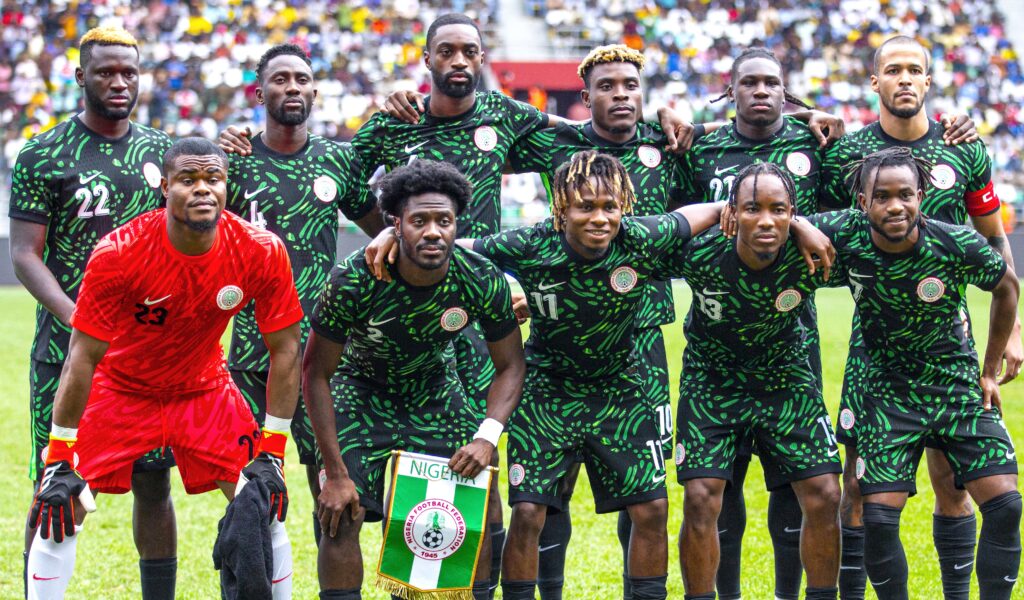
Nigeria: The Super Eagles’ Redemption Arc
For Nigeria (FIFA Rank: 41), this playoff represents both a lifeline and a reckoning. The Super Eagles narrowly missed direct qualification, finishing second in a fiercely contested Group C. Their path to Rabat has been defined by moments of brilliance — and lapses that nearly cost them everything.
Led by Victor Osimhen, one of Africa’s most lethal strikers, Nigeria boasts a squad brimming with European talent. But with pedigree comes pressure. Their fans expect not just qualification, but dominance — the kind that once made Nigeria synonymous with African football excellence.
Their Opponents: In the opening semi-final, Nigeria will face Gabon (FIFA Rank: 77). On paper, it’s a mismatch; in reality, it’s a potential minefield. Gabon’s disciplined defense and quick transitions can trouble even the most technically gifted teams. In a single-leg showdown, composure will matter as much as quality.
Cameroon: The Indomitable Lions’ History Lesson
No African team carries World Cup history quite like Cameroon. With eight appearances — the most by any African nation — the Indomitable Lions approach this tournament with both pride and pressure. Their qualification journey was turbulent, marked by narrow escapes and flashes of brilliance.
Led by Bryan Mbeumo and a core of seasoned veterans, Cameroon’s strength remains its physicality, organization, and mentality. Yet, in Rabat, tradition will be tested.
Their Opponents: Cameroon’s semi-final against DR Congo (FIFA Rank: 60) is more than a match — it’s a regional derby steeped in rivalry and respect. Expect intensity, tactical duels, and perhaps extra time drama. For Cameroon, it’s a chance to reaffirm their place at football’s summit. For DR Congo, it’s a long-awaited opportunity to end 50 years of exile from the global stage.
The Underdogs’ Ambition: DR Congo and Gabon
In football, “underdog” is often a deceptive label. Both DR Congo and Gabon have the form, experience, and hunger to upset Africa’s traditional hierarchy.
DR Congo: The Leopards’ Long Road Back
The Leopards last appeared on the World Cup stage in 1974 — then as Zaire. Half a century later, they are on the cusp of rewriting history.
Under disciplined management, DR Congo’s style blends defensive solidity with swift, decisive counter-attacks. Their consistency throughout qualifying — finishing second behind Senegal — is testament to a maturing football identity.
For their fans, both at home and across the diaspora, this moment carries profound emotional weight. A win in Rabat would not merely secure a playoff slot — it would symbolize renewal, resilience, and national pride restored.
ALSO READ: A Historic First: Three East African Nations Team Up for AFCON 2027
Gabon: The Panthers’ Final Roar
If there’s a wild card in this bracket, it’s Gabon. Their campaign was quietly efficient, earning them the highest points tally among the runners-up.
Their hopes hinge on one man: Pierre-Emerick Aubameyang, the evergreen talisman whose pace, intelligence, and finishing instinct remain world-class. For Aubameyang, this could be a final act on the international stage — a chance to etch his legacy into the continent’s football folklore.
Against Nigeria, Gabon’s compact style and counter-punching capability could turn the tie on its head. A victory would not just shock Africa; it would signal a changing of the guard in continental football.
The Crucible of Destiny
Choosing Rabat as host is no coincidence. Morocco’s investment in football infrastructure — from youth academies to elite stadiums like Moulay Hassan — has made it a model for the continent.
The single-leg format leaves no room for hesitation. Every mistake is magnified; every goal could be historic. Coaches will face immense scrutiny, particularly in managing fatigue across back-to-back fixtures in just three days.
And though Morocco stands neutral, its football-loving crowds will ensure the atmosphere crackles with intensity. The evening kick-offs promise both spectacle and suspense — the perfect setting for destiny to unfold.
Beyond Qualification: The Prize of Pride
For the winner, the reward is monumental. Beyond the coveted place in the FIFA Inter-Confederation Play-Off, qualification brings significant economic dividends, increased player exposure, and an immeasurable boost to national morale.
It is also symbolic — proof that Africa’s depth and quality now demand recognition on the world’s biggest stage.
For the losing nations, Rabat will be a reminder of how thin the line is between triumph and despair in modern African football.
Conclusion: One Nation, One Dream
As the sun sets over Rabat on November 16th, only one nation will still be standing — one that carries not just its own dreams, but the hopes of a continent hungry for global validation.
Whether it’s Nigeria’s redemption, Cameroon’s legacy, DR Congo’s rebirth, or Gabon’s golden upset, the road to the World Cup runs through Morocco.
And in the roar of the crowd and the silence before kickoff, Africa will once again remind the world that its football heart beats louder than ever.