


By [Sheila Osiro], Nairobi Bureau Chief
BEIJING — April 22, 2025
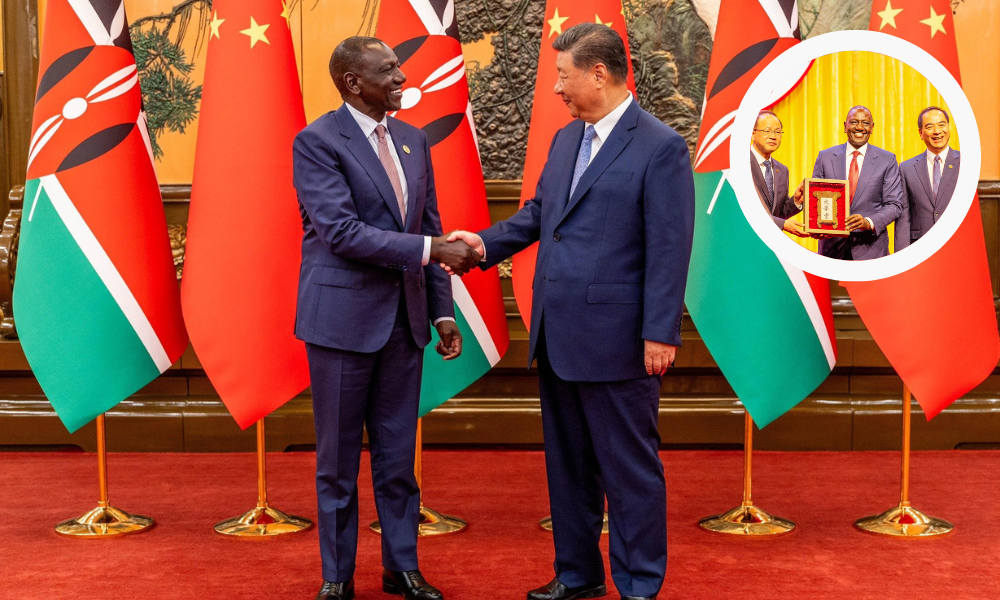
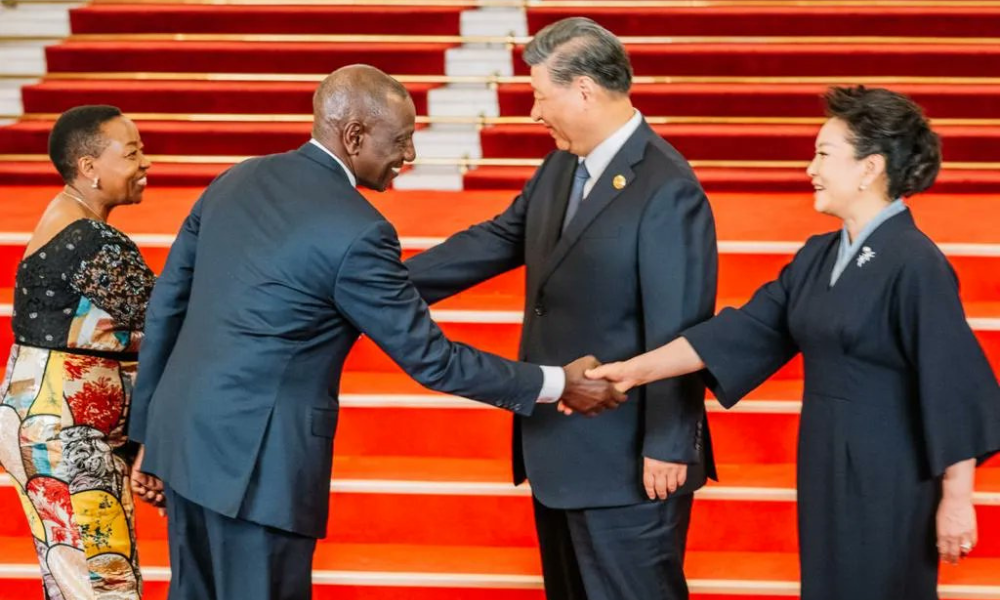
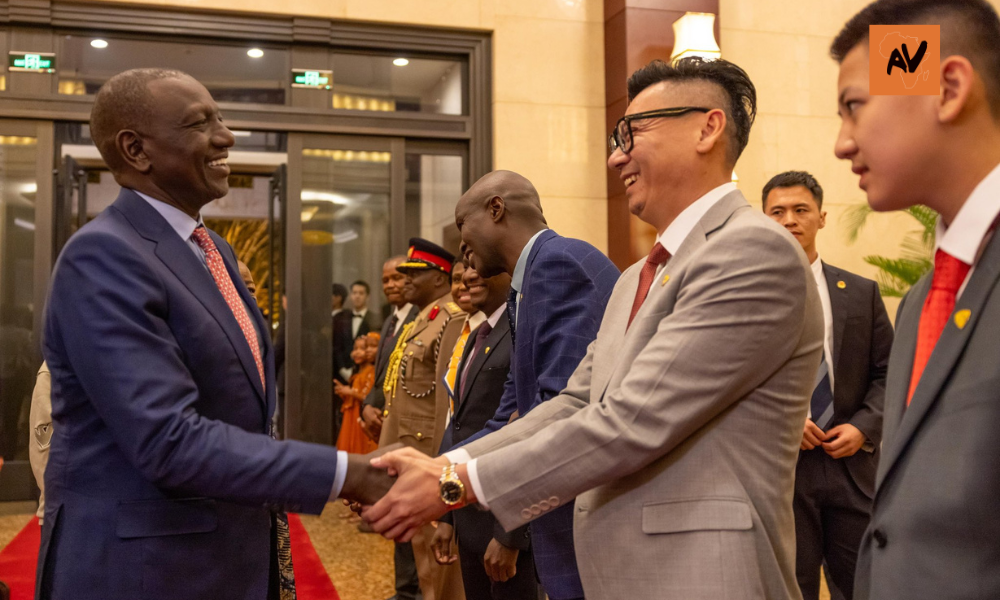
The tarmac at Beijing Capital International Airport shimmered beneath the midday sun as President William Ruto stepped off the plane to a red-carpet welcome. A full honor guard, national flags waving, and the smiling faces of Chinese officials signaled more than a ceremonial reception: Kenya had arrived with intent.
Ruto’s five-day state visit to China, his first since assuming office in 2022, comes at a moment of profound global recalibration. As the United States and China escalate a protracted trade war, African nations are being forced to reconsider long-standing alliances. In that context, Ruto’s trip is more than a development dialogue—it’s a diplomatic statement of Kenya’s evolving place in a fractured world order.
Railways, Roads, and Rescue Packages
At the top of Ruto’s agenda are infrastructure projects that could reshape Kenya’s economic geography: securing Chinese funding for the extension of the Standard Gauge Railway (SGR) from Naivasha to Malaba, the dualing of the Rironi-Mau Summit highway, and the construction of a new complex for Kenya’s Ministry of Foreign and Diaspora Affairs. These projects, he argues, are not just developmental imperatives, but regional economic catalysts.
“This visit is about continuity and scale,” said Dr. Korir Sing’oei, Principal Secretary for Foreign Affairs. “We are not merely seeking funds. We are aligning with global capital flows in a way that empowers Kenya’s future.”
Yet Kenya’s debt profile complicates the narrative. With over $70 billion in public debt—$6 billion owed to Chinese creditors—the country walks a fiscal tightrope. Ruto is expected to push for a hybrid approach: new credit lines complemented by public-private partnerships (PPPs), aimed at easing the debt burden while keeping infrastructure expansion on track.
ALSO READ: Nigeria Lands $1.1B Loan for Operation Light Up Nigeria
Collateral Damage in a Superpower Showdown
Ruto’s Beijing visit cannot be understood in isolation from the broader geopolitical rift between Washington and Beijing. In 2023, the United States reimposed broad tariffs on Chinese goods and imposed restrictions on strategic technologies. China retaliated in kind, targeting American agricultural exports and rare earth elements. The global fallout has been severe.
Africa—caught in the middle—is facing inflationary pressures, export disruptions, and investment volatility. Kenya, a manufacturing and logistics hub, has felt the sting. The uncertainty surrounding the renewal of the African Growth and Opportunity Act (AGOA), a linchpin of U.S.-Africa trade relations, adds to the anxiety.
“We’re experiencing what I call collateral economic trauma,” said economist Dr. Jennifer Mboya of the Kenya Institute for Public Policy Research and Analysis. “Kenya is neither antagonist nor ally in this superpower clash, yet our supply chains, trade incentives, and financing models are being destabilized.”
Strategic Non-Alignment, 21st Century Style
Kenya’s foreign policy under Ruto increasingly mirrors a revived form of non-alignment. Though historically aligned with Western powers through aid, trade, and defense pacts, Nairobi is now charting a diversified course.
“Non-alignment today does not mean neutrality; it means optionality,” said Prof. Gilbert Khadiagala, a political scientist at the University of the Witwatersrand. “African nations like Kenya are engaging all major powers to secure terms that suit their national interests.”
This strategy has won both praise and criticism. Western diplomats express concern about growing Chinese influence, while African peers see it as pragmatic diplomacy. For Kenya, the game is balancing ideological autonomy with economic necessity.
Beijing’s Bill and Nairobi’s Options
The legacy of Chinese infrastructure financing in Africa is complex. While roads, ports, and railways now dot the continent thanks to Beijing’s largesse, they have come at a cost: opaque terms, resource pledges, and allegations of neocolonial intent.
Ruto’s challenge is to rewrite that playbook. Kenya is pressing for more favorable terms, including longer grace periods, concessional interest rates, and Chinese participation in PPP frameworks.
China, aware of reputational damage over so-called “debt-trap diplomacy,” is showing flexibility. Sources close to the negotiations suggest that Beijing is open to refinancing existing loans and backing PPP-led initiatives, provided they align with Belt and Road objectives.
“We’re no longer in the era of blank cheques and handshake deals,” said a senior Kenyan Treasury official. “This is transactional diplomacy with conditions on both sides.”
Steel or Sovereignty? Kenyans Speak
Back home, Ruto’s diplomatic pivot is being met with both hope and skepticism. In downtown Nairobi, boda boda drivers express support for Chinese-built roads that reduce travel time and wear on their bikes. Yet opposition leaders warn that sovereignty is being bartered for short-term gains.
“We’re grateful for the bridges, but who owns them?” asked Martha Karua, a veteran opposition figure. “When repayment time comes, we must ensure that national assets are not quietly transferred offshore.”
Public sentiment is nuanced. A recent survey by the Pan-African Institute for Policy found that while 61% of Kenyans believe Chinese investments improve the economy, 58% also worry about long-term dependency.
Africa’s Agency in a Fragmenting World
Beyond Kenya, Ruto’s trip signals a broader shift in African diplomacy. Countries across the continent are recalibrating their external partnerships, from energy deals with the Gulf to green tech investments from Europe to digital infrastructure with China.
The African Union is watching closely. Ruto, a vocal proponent of global financial reform, has championed Africa’s seat at the table in institutions like the G20, IMF, and WTO. His China visit could bolster that agenda by showing Africa’s readiness to engage on equal terms with any global actor.
“We want partnerships, not patronage,” Ruto said in a recent address to the AU. “Africa is no longer a passive player in global affairs. We are shaping the future we want.”
Pragmatism or Precarity?
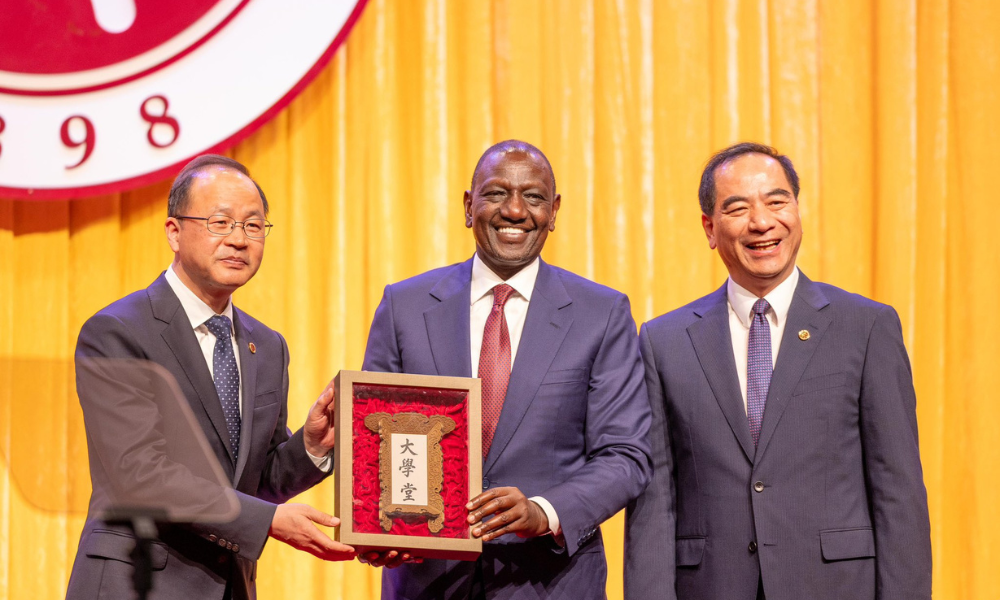
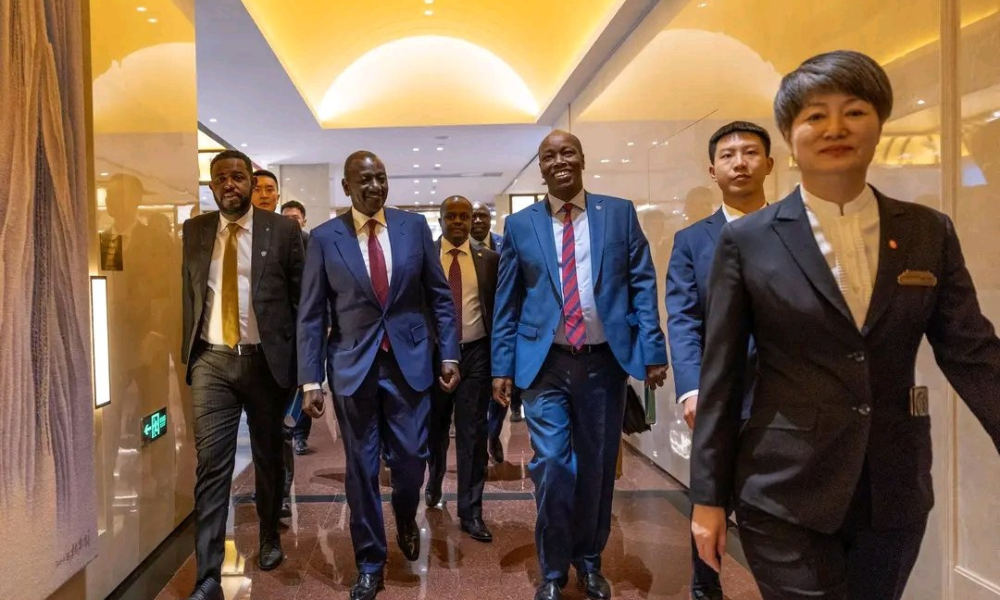
As Ruto navigates state dinners, policy meetings, and infrastructure tours in Beijing, his mission is both bold and delicate. Kenya’s economy needs revitalization. Its global relationships require balancing. And its sovereignty, while intact, must be vigilantly safeguarded.
Whether this visit marks a pivot or merely a posture will depend not just on contracts signed, but on how effectively Nairobi executes its long game.
One thing is clear: in the age of trade wars and fractured alliances, Africa is no longer on the sidelines. It’s in the arena.
Reporting contributed by field correspondents in Nairobi and Beijing.