


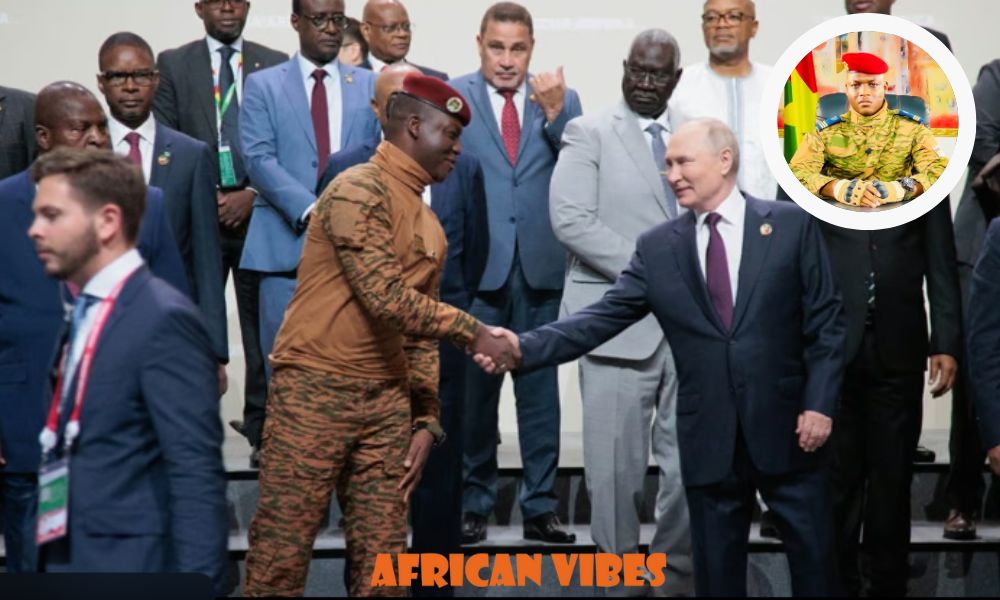
When President Ibrahim Traoré of Burkina Faso stood alongside world leaders at Russia’s Victory Day celebrations on May 9, 2025, it was more than a ceremonial gesture. His presence in Moscow marked a clear and symbolic foreign policy pivot toward Russia, deepening Burkina Faso–Russia relations and furthering the country’s break from French influence in West Africa.
Diplomatic Theatre as Strategy
Victory Day, commemorating the Soviet Union’s triumph over Nazi Germany, is steeped in themes of anti-imperialism and resistance. For Traoré, participating in this event offered a stage to recast Burkina Faso’s international image. It was a calculated move to align the country’s struggle against Islamist insurgents and foreign influence with a global narrative of sovereignty and defiance.
This diplomatic theatre sends a message: Burkina Faso is no longer content with being a pawn in traditional Western spheres of influence. Instead, it seeks to chart a new path, one where partnerships are built on mutual respect and pragmatic interest rather than post-colonial hierarchy.
ALSO READ: Traoré, AFRICOM, and Africa’s Fight for Resource Sovereignty
Breaking the French Grip
The visit comes amid an ongoing rejection of France’s historic dominance in West Africa. Since the 2022 coup that brought Traoré to power, his administration has expelled French military forces, suspended French media, and severed key defense ties. Traoré’s government has been vocal about the failures of French-led counterterrorism operations, arguing they exacerbated instability rather than resolving it.
By contrast, Russia has offered a different model—one based on military support without overt political conditionality. Moscow’s willingness to deploy personnel from its Africa Corps and provide counterinsurgency training has been welcomed in Ouagadougou, especially as the country grapples with relentless jihadist violence.
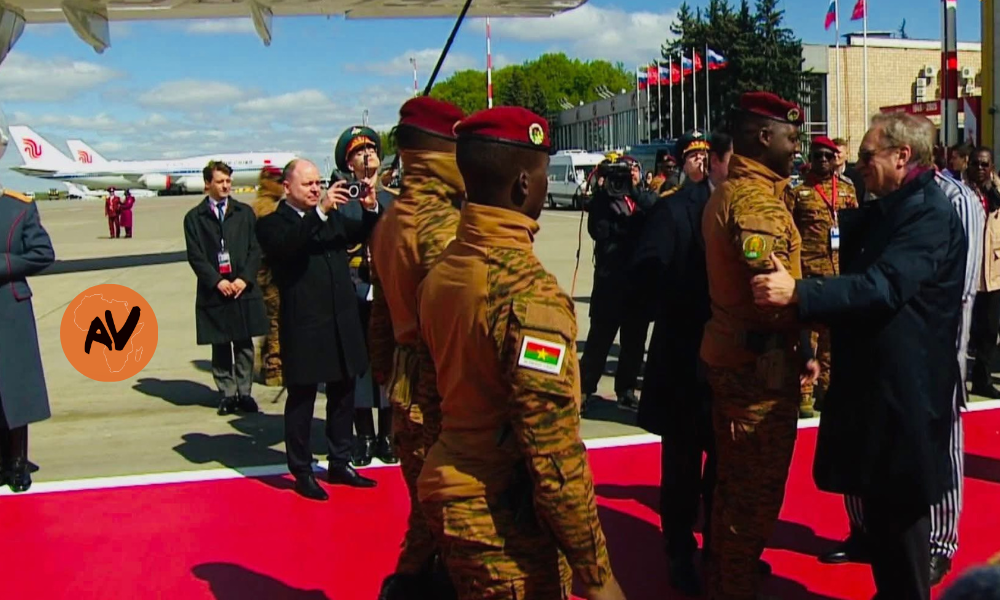
Russia as Strategic Partner
Russia’s involvement in Burkina Faso is not merely transactional. It is part of a broader geopolitical strategy to expand influence across the African continent. For Burkina Faso, this partnership promises more than military aid; it offers a sense of strategic autonomy.
The deployment of Russian forces, including the establishment of a base in Loumbila and the presence of security advisers in the presidential circle, underscores the depth of this new alliance. Unlike France, which has been accused of paternalism, Russia projects itself as a fellow struggler against Western dominance—a narrative that resonates strongly with Sahelian leaders.
Symbolism for a Sahel Audience
Traoré’s Moscow visit also plays well to domestic and regional audiences. At home, it bolsters his image as a bold leader asserting national dignity. For neighboring states like Mali and Niger, it signals that a post-Western alignment is both possible and increasingly popular.
Together, these countries have formed the Alliance of Sahel States, a mutual defense pact intended to foster regional resilience. Russia’s support for this alliance reflects a growing multipolarity in global affairs, where African nations seek partners who respect their agency.
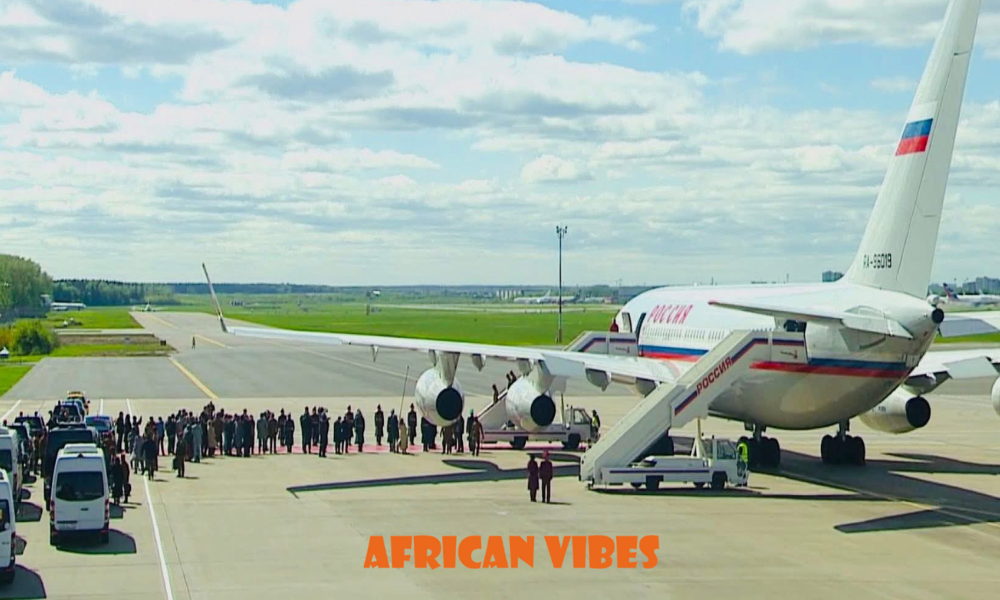
Why This Visit Matters: A Summary
- First-ever high-profile Russia visit by Burkina Faso’s interim leader
- Victory Day attendance signals ideological alignment
- Reinforces military cooperation via Africa Corps
- Symbolizes rejection of France’s historic presence in the region
- Elevates Burkina Faso’s strategic autonomy on the global stage
ALSO READ: Gazprom Oil Discovery in Burkina Faso (2025) – Fact Check & Context
Conclusion: A Redefinition of Power
Traoré’s journey from Paris to Red Square is emblematic of a deeper realignment. It is about more than military deals or photo ops; it is a redefinition of who holds power, influence, and legitimacy in Africa. By choosing to walk beside Vladimir Putin on a day steeped in symbolic resistance, Traoré made clear that Burkina Faso’s future will not be written in the shadows of its colonial past—but in bold strokes of sovereignty and strategic self-determination.