


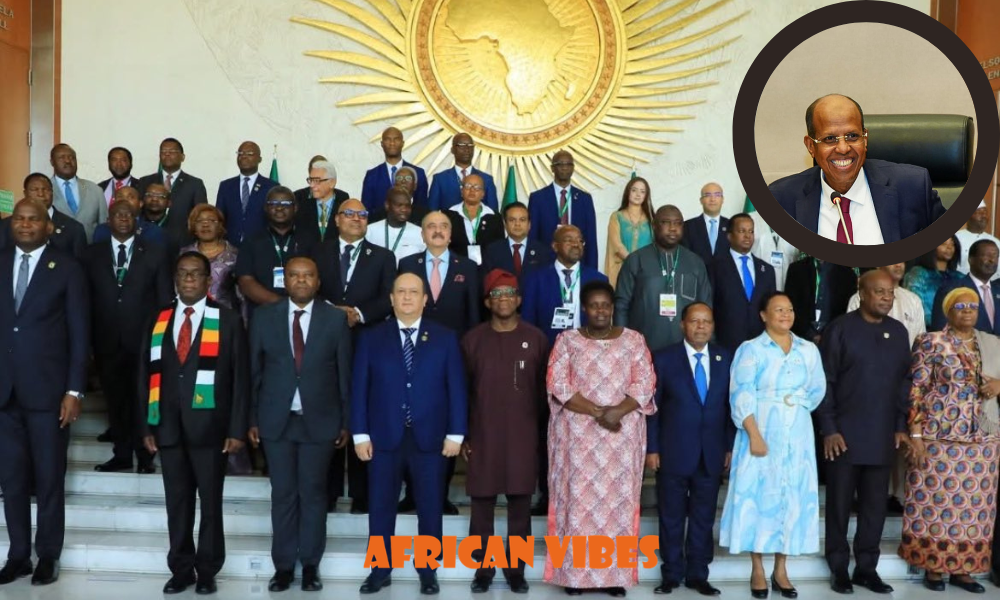
In a landmark move that could reshape the global reparations debate, the African Union has officially declared slavery, deportation, and colonialism as genocide and crimes against the people of Africa.
The decision was adopted during a two-day summit of African heads of state in Addis Ababa, signaling one of the strongest collective condemnations of historical injustices ever issued by the continental body.
AU Chairman Mahmoud Ali Youssouf also used the moment to call for an end to what he described as the “extermination of the Palestinian people,” expanding the summit’s political resonance beyond Africa’s historical grievances.
A Powerful Political Statement from Addis Ababa
The African Union slavery genocide resolution reframes centuries of exploitation — including the transatlantic slave trade and colonial occupation — as acts that meet the threshold of genocide and crimes against humanity.
While the resolution does not immediately trigger legal proceedings, it carries immense symbolic and diplomatic weight. By invoking genocide — one of the gravest crimes under international law — the AU elevates the historical accountability debate to a new level.
Observers say the declaration strengthens Africa’s moral and political standing as calls for reparations grow louder across the continent and the diaspora.
Why This Resolution Could Shift the Global Conversation
For years, African nations and scholars have argued that slavery and colonial rule devastated economic systems, displaced millions, and entrenched inequality that persists today.
By formally labeling these acts as genocide, the AU colonialism genocide resolution could intensify pressure on former colonial powers to address reparative justice more directly.
The decision may also influence diplomatic relations between African states and European governments, particularly amid ongoing discussions around apologies, restitution of cultural artifacts, and financial compensation.
This unified stance underscores a growing continental consensus: historical injustices are not just matters of the past, but issues with lasting economic and social consequences.
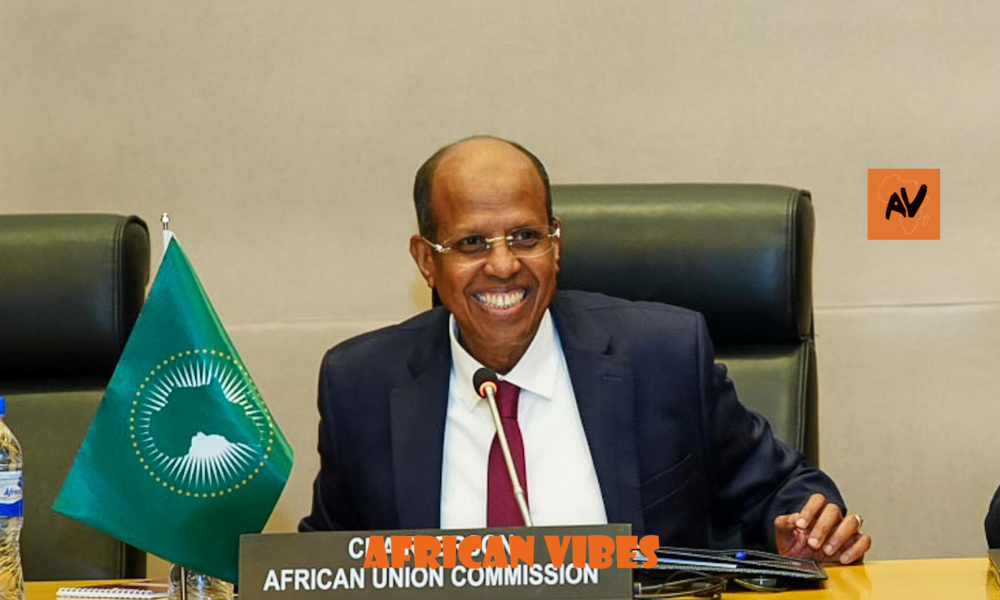
AU Chairman’s Call on Palestine
Beyond Africa’s historical reckoning, Chairman Mahmoud Ali Youssouf broadened the summit’s scope by calling for an end to what he described as the “extermination of the Palestinian people.”
The remarks reflect the African Union’s continued engagement in global human rights debates and reaffirm its longstanding support for Palestinian self-determination.
By linking historical injustice with present-day humanitarian concerns, the AU positioned itself as a global advocate for justice beyond its borders.
What Happens Next?
Though largely symbolic in immediate legal terms, the resolution could serve as a foundation for coordinated diplomatic efforts, legal scholarship, and international advocacy.
Experts suggest the move may accelerate discussions around structured reparations frameworks, formal acknowledgments from former colonial states, and increased African unity in global forums such as the United Nations.
Whether this marks the beginning of concrete negotiations or remains a political declaration will depend on how AU member states follow through.
ALSO READ: What China’s New 98.2% Tax-Free Gift Really Means for Kenya’s Smallholder Farmers.
A Turning Point in Africa’s Reparations Movement?
The African Union’s decision comes amid a renewed global focus on historical accountability. From Germany’s acknowledgment of colonial-era atrocities in Namibia to Caribbean nations pushing for reparative justice, momentum is building.
By collectively declaring slavery and colonialism genocide, the AU has taken one of its strongest positions yet — potentially reshaping how the world confronts one of history’s darkest chapters.