



For decades, Africa’s healthcare story was framed around scarcity—underfunded hospitals, medical brain drain, and dependence on foreign aid. Today, that narrative is rapidly becoming outdated.
Across the continent, African cities are emerging as centers of medical excellence, driven by digital innovation, policy reform, and homegrown expertise. From Nairobi’s mobile health platforms to Kigali’s drone-powered supply chains and Cape Town’s globally respected surgical units, Africa is no longer catching up—it is setting new benchmarks.
This transformation goes beyond hospital buildings. It reflects a broader Pan-African wellness movement, where African tech startups, community-based care, and modern infrastructure converge to deliver solutions tailored to African realities. While challenges persist, the momentum is undeniable.
Here are five African cities leading this healthcare revolution.
1. Cape Town & Johannesburg, South Africa: Africa’s Surgical Powerhouses
South Africa remains the continent’s most advanced healthcare market, particularly in specialized and surgical care. Cities like Cape Town and Johannesburg consistently rank among Africa’s best for clinical outcomes and hospital infrastructure.

World-Class Clinical Expertise
Cape Town’s Groote Schuur Hospital holds a legendary place in global medicine as the site of the world’s first human heart transplant. Today, it continues to lead in cardiothoracic surgery, trauma care, and medical research.
Johannesburg’s Chris Hani Baragwanath Academic Hospital, one of the largest hospitals in the world, plays a critical role in training specialists across Southern Africa. Together with private hospital groups, these cities have positioned South Africa as Africa’s leading destination for medical tourism, attracting patients for orthopedic surgery, fertility treatment, and cosmetic procedures.
ALSO READ: 10 African Construction Projects That Will Transform Cities by 2030

The Structural Challenge
The country’s major compromise remains the sharp divide between an elite private sector and an overburdened public system. In response, South Africa’s National Health Insurance (NHI) reform aims to integrate private expertise into a more equitable national framework—an ambitious move that could redefine universal care on the continent.
2. Nairobi, Kenya: The Digital Health Capital of Africa
If South Africa represents surgical strength, Nairobi is Africa’s digital healthcare nerve center.

Healthcare Powered by Technology
Dubbed the “Silicon Savannah,” Nairobi has produced some of Africa’s most impactful digital health innovations. Platforms like M-TIBA use mobile money to help families save, pay, and manage healthcare costs, while startups such as Tibu Health deploy mobile clinics directly to patients’ homes.
The city is also a regional referral hub. Aga Khan University Hospital, Nairobi, is internationally accredited and recognized for oncology and cardiology, drawing patients from across East and Central Africa—patients who once sought treatment in Europe or Asia.
A Pan-African Connector
By hosting major health and innovation conferences, Nairobi has positioned itself as a center for Pan-African collaboration, proving that scalable healthcare solutions don’t always require massive infrastructure—sometimes, they start with a smartphone.
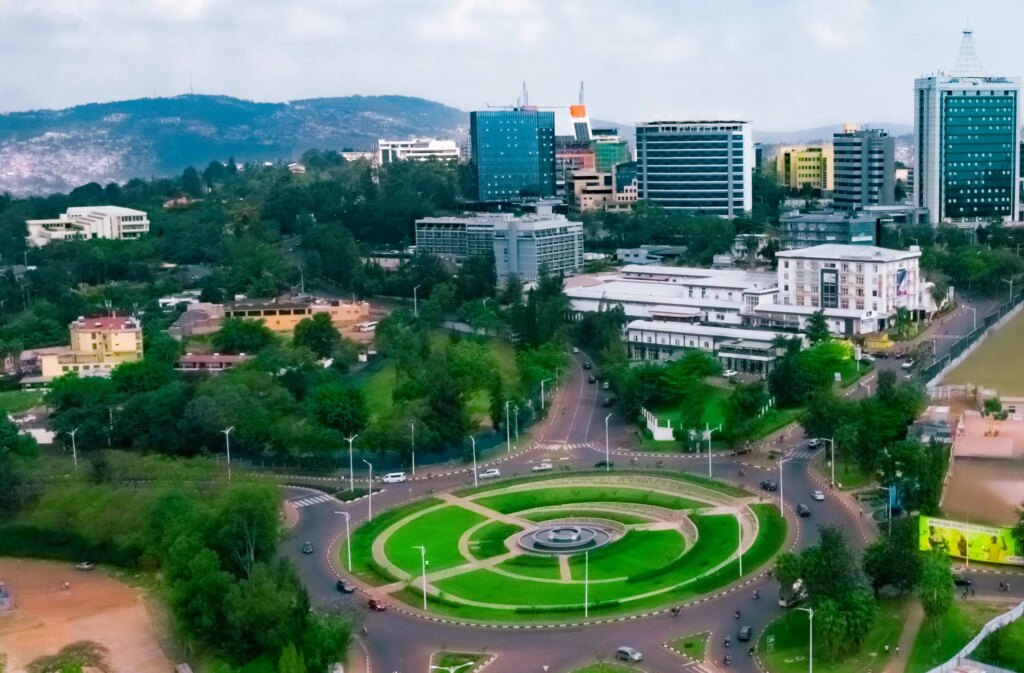
3. Kigali, Rwanda: A Global Model for Universal Health Access
Despite its size, Kigali has become one of the most studied healthcare success stories in the world.
Drones, Data, and Delivery
Rwanda’s partnership with Zipline has revolutionized medical logistics. Autonomous drones deliver blood, vaccines, and emergency supplies to remote clinics in minutes—demonstrating how African countries can leapfrog infrastructure limitations through innovation.
Community at the Core
At the heart of Kigali’s success is Mutuelles de Santé, a community-based health insurance system covering over 90% of the population. Supported by tens of thousands of community health workers, Rwanda’s model prioritizes prevention, primary care, and accountability—earning praise from global health institutions.
4. Cairo, Egypt & Casablanca, Morocco: Healthcare at Industrial Scale
North Africa is redefining healthcare through massive infrastructure investment, with Egypt and Morocco leading the charge.

Egypt’s Medical City Ambition
Egypt is developing an expansive Medical City in its New Administrative Capital near Cairo—an $800 million project designed to host specialized hospitals, research centers, and teaching facilities. The goal is clear: position Egypt as a dominant force in medical tourism for Africa and the Middle East.
Morocco’s Balanced Model
In Casablanca, facilities like Ibn Rochd University Hospital anchor a healthcare system built on strong public-private partnerships. Morocco has successfully expanded mandatory health insurance while attracting private investment, making Casablanca a preferred destination for patients from Francophone Africa seeking high-quality care closer to home.
5. Windhoek, Namibia: The Quiet Healthcare Achiever
Often overlooked in continental rankings, Windhoek consistently delivers some of Africa’s most reliable healthcare outcomes.

Efficiency Over Excess
Namibia’s healthcare strength lies in stability: clean facilities, effective primary care, and strong public health programs. Windhoek has made notable progress in maternal health and HIV/AIDS management, proving that excellence is not always about scale—but about consistency and governance.
The Bigger Picture: Why These Cities Matter
The rise of Africa’s healthcare hubs is reshaping more than medicine.
- Economic Growth: Health-tech ecosystems are creating jobs for developers, engineers, clinicians, and researchers.
- Talent Retention: World-class facilities are encouraging African doctors and specialists abroad to return home.
- Reduced Medical Exodus: Strong local healthcare systems save billions in outbound medical tourism and strengthen national health sovereignty.
Conclusion: Africa Is Building Its Own Health Future
From Kigali’s drones to Nairobi’s digital platforms and Cape Town’s surgical excellence, African cities are proving that high-quality healthcare can—and should—be built on African soil.
The compromises remain: affordability, rural access, and public-private balance. But the direction is clear. Africa is no longer waiting to be healed—it is designing its own systems, powered by innovation, policy, and purpose.