


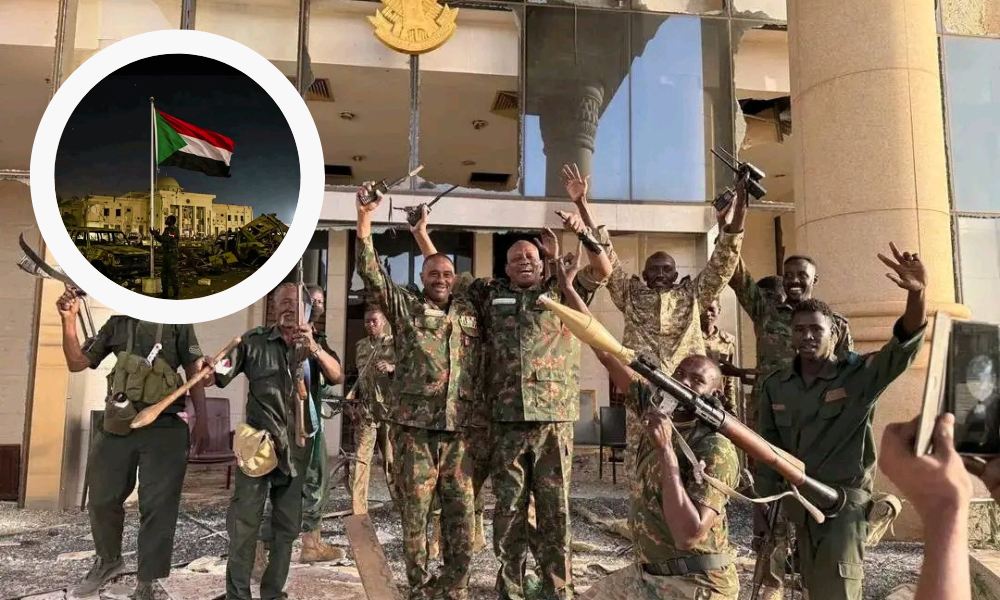
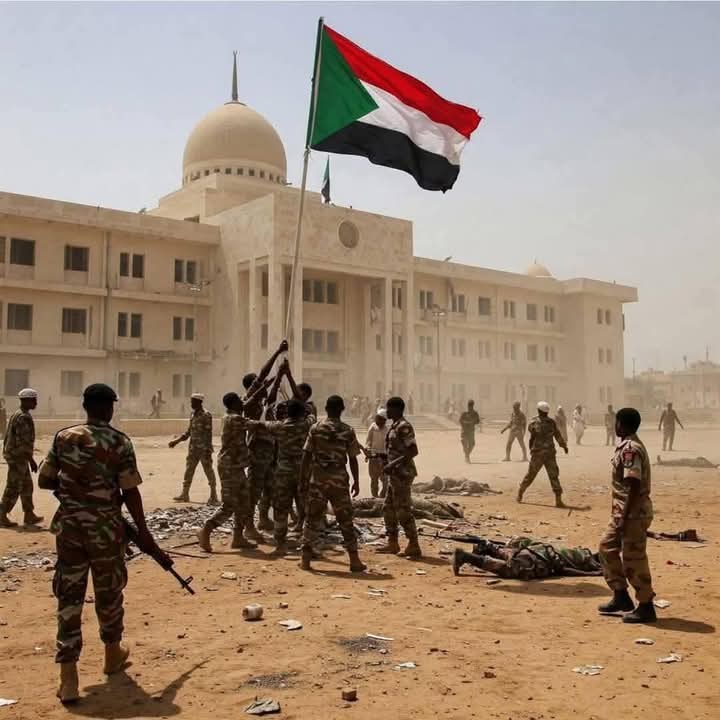
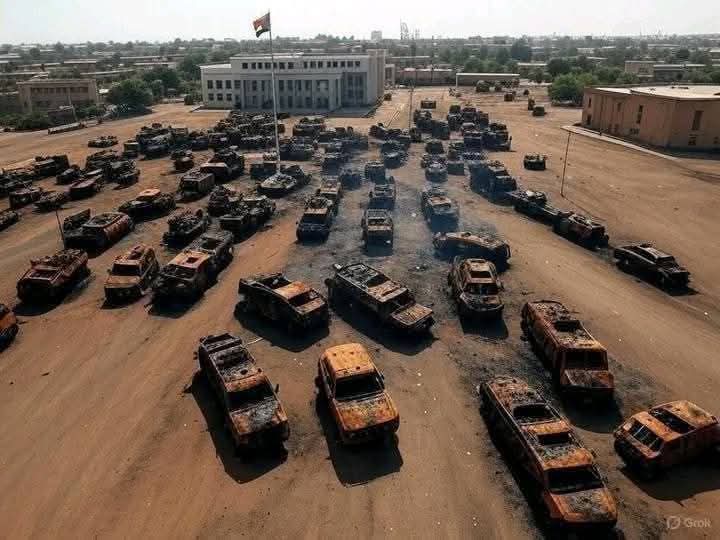
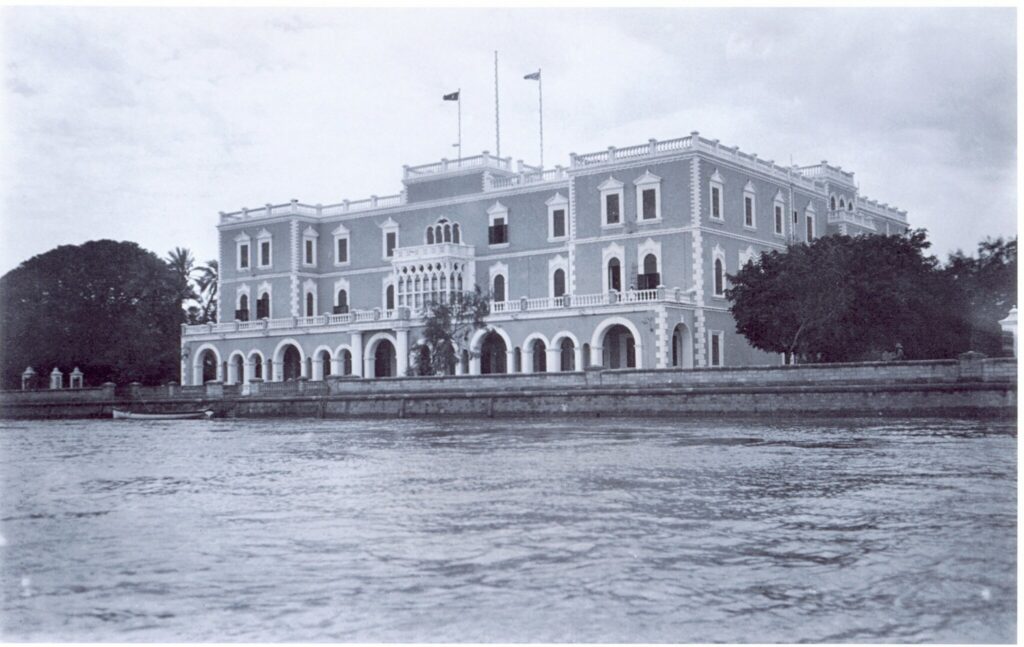
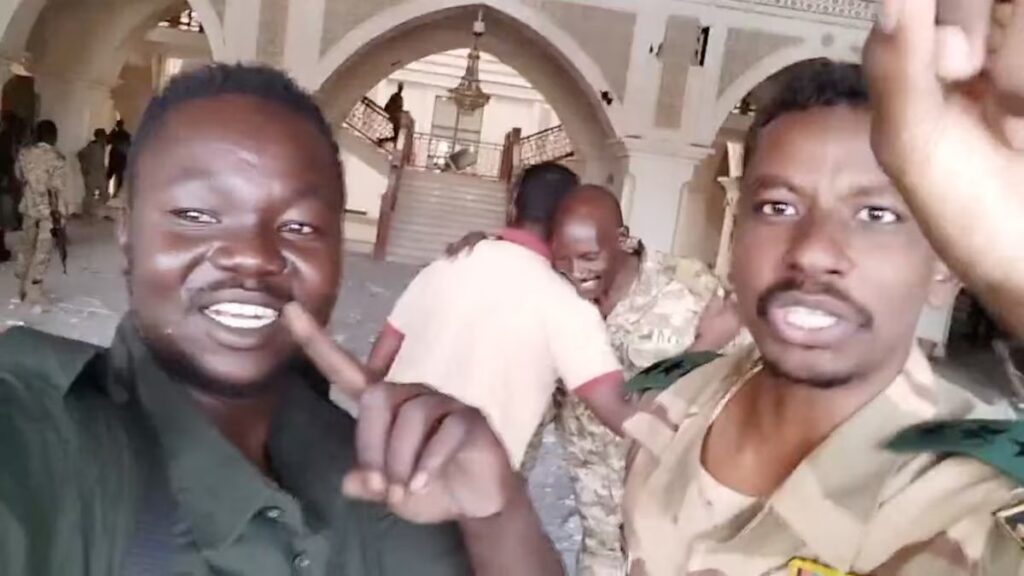
In a significant victory for Sudan military, the Sudanese Armed Forces (SAF) have reclaimed the Presidential Palace in Khartoum from the paramilitary Rapid Support Forces (RSF). The recapture of this strategic seat of power marks a turning point in the brutal conflict that erupted in April 2023, which has devastated the country, leaving over 28,000 dead and displacing millions.
The General Command of the Armed Forces dedicates the victory to their people and remains committed to liberating every inch of their country was shared on X. “Our forces, thanks to God and His grace, destroyed the enemy’s personnel and equipment and seized large quantities of its equipment and weapons in the aforementioned areas.” from alive television broadcast.
While the SAF celebrates this victory as a step towards restoring control over the capital, the ongoing humanitarian crisis and the uncertain political future of Sudan remain pressing concerns.
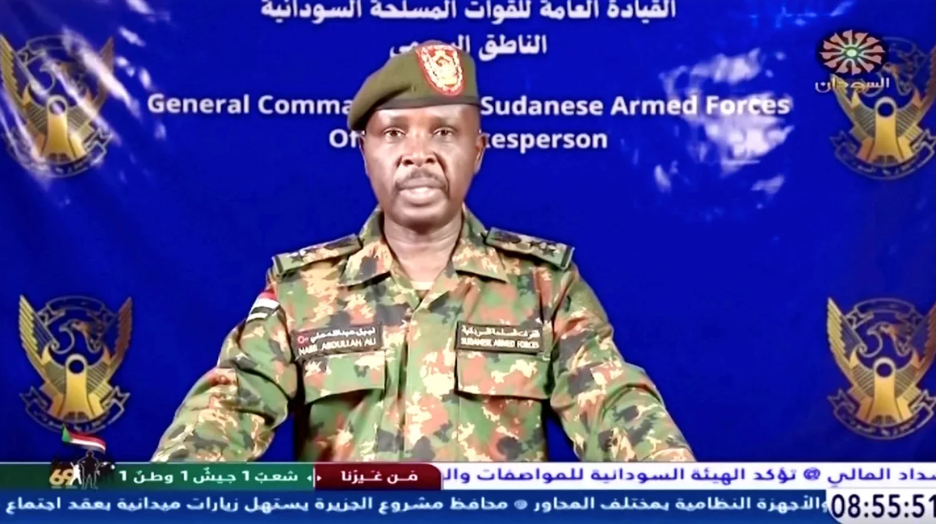
Impact of Sudan Military Victory
The recapture of the Presidential Palace is a symbolic and strategic win for the SAF. It signals a shift in momentum in the battle for Khartoum, a city that has been under RSF siege since the war began. According to Information Minister Khalid Al-Aiser, raising the Sudanese flag over the palace represents a step toward national sovereignty. However, despite this victory, significant portions of the capital and other key regions remain under RSF control, and the conflict is far from over.
Beyond the battlefield, the SAF’s success may encourage the return of displaced individuals from central and northern Sudan. Activist Hala Al-Karib highlighted that while the recapture holds promise, it does not address the larger governance issues at play. The SAF’s willingness (or reluctance) to engage in a political process with the RSF and other stakeholders remains a pivotal question for Sudan’s future.
ALSO READ: Burkina Faso Pharmaceutical Plant: A Game-Changer for Healthcare and Economic Growth
The Role of the Rapid Support Forces in the Conflict
The RSF, originally formed from the notorious Janjaweed militia, has been a dominant force in Sudan’s ongoing war, controlling vast territories in the country’s west, south, and central regions, including Darfur. The group has been accused of war crimes, including ethnically motivated massacres and mass displacement.
ALSO READ: Mali Accuses USAID of Funding Terrorism, Calls for Prosecution
Sexual Violence & Gender-Based Crimes
Reports from conflict zones, such as Sudan, reveal that armed groups use sexual violence as a weapon of war, targeting even the most vulnerable, including infants and young children. Survivors face long-term psychological trauma, stigma, and social isolation, making it difficult for them to heal and reintegrate into society.
According to CNN “Armed forces in Sudan’s ongoing civil war are perpetrating systematic sexual violence against young children, with one-year-olds the youngest survivors of rape, according to a new report from UNICEF, the United Nations’ (UN) children’s agency.”
Violation of Human Rights
War leads to widespread violations of human rights, with arbitrary arrests, enforced disappearances, and war crimes becoming rampant. In conflict zones, civilians are often detained without due process, and many vanish without a trace, leaving families in anguish.
Ethnic cleansing and genocide frequently occur in prolonged wars, as warring factions target specific groups in attempts to eliminate perceived enemies. “The United States accused the RSF militia in Sudan’s brutal civil conflict of committing genocide “According to CNN
ALSO READ: South Africa Land Reform or ‘White Genocide’? Unpacking Trump’s Claims
Humanitarian Crisis & Displacement
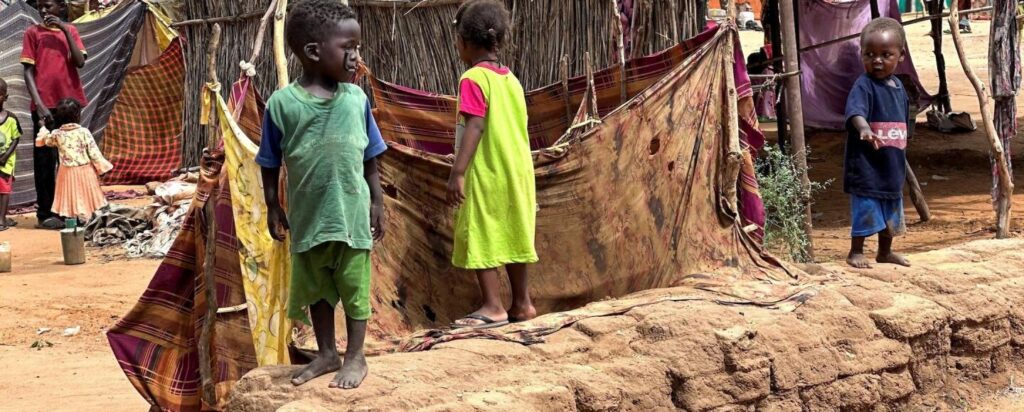
Reports indicate that war triggers a severe humanitarian crisis, forcing millions to flee their homes and creating a widespread refugee emergency. Aid organizations have stated that overcrowded camps struggle to provide adequate shelter, with displaced families facing limited access to food, clean water, and essential healthcare.
Following the SAF’s recapture of the palace, the RSF insisted the battle was far from over, claiming in a statement that their forces remained active in the vicinity and had inflicted heavy casualties on the Sudan military. Their control over large swaths of Sudan complicates efforts to achieve peace, as their ability to govern in these regions suggests a prolonged conflict with no immediate resolution in sight.
Potential Long-Term Effects on Sudan’s Political Landscape
While the SAF’s victory in Khartoum is a milestone, its long-term impact on Sudan’s political landscape is uncertain. The ongoing war has already fractured governance structures, with the RSF attempting to establish a parallel government in areas under its control. If the SAF continues its military push without engaging in political dialogue, Sudan risks prolonged instability.
Furthermore, accusations of war crimes on both sides threaten international relations and post-war reconciliation efforts. Reports from UNICEF and human rights organizations have documented grave human rights abuses by both the SAF and RSF, including the targeting of civilians and the use of sexual violence as a weapon of war. These atrocities could lead to increased international scrutiny and possible sanctions.
For Sudanese civilians, the battle for Khartoum may bring more suffering. The UN has reported indiscriminate artillery shelling and airstrikes by both factions, leading to mass casualties and worsening humanitarian conditions. If the military seeks to consolidate power without addressing the root causes of the conflict, peace and stability will remain elusive.
Conclusion
The SAF’s recapture of the Presidential Palace is a major development in Sudan’s civil war, but it does not mark the end of the conflict. While the Sudan military sees it as a step toward reclaiming national sovereignty, the RSF’s stronghold over large territories and the country’s deepening humanitarian crisis suggest that Sudan’s turmoil is far from over.
The long-term political consequences will depend on whether the warring factions choose to negotiate a settlement or continue down the path of destruction, leaving millions of Sudanese civilians caught in the crossfire.