


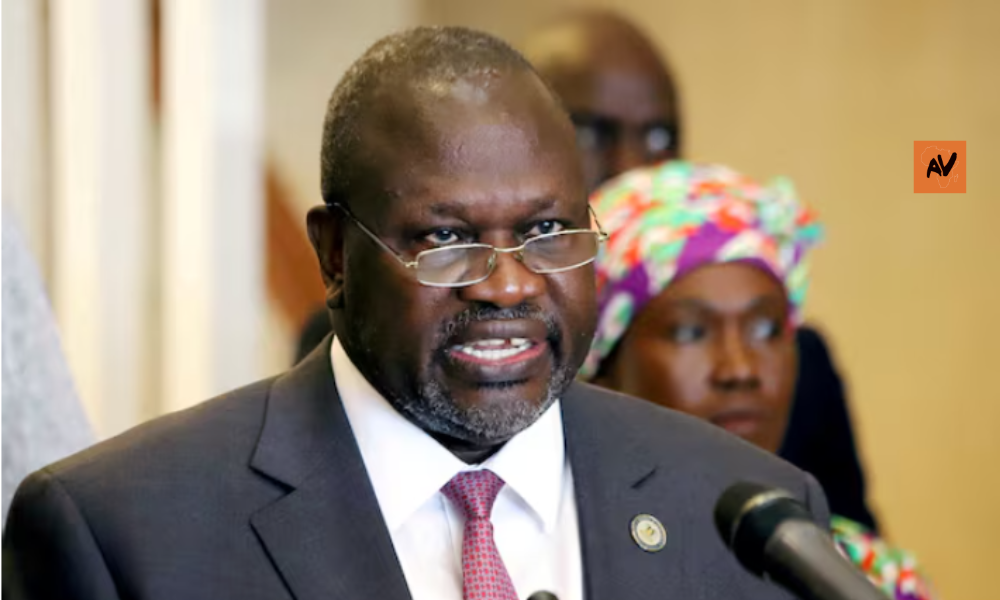
The world’s youngest nation, South Sudan, is teetering on the edge of full-scale war once again. Despite a 2018 peace deal aimed at ending the devastating five-year civil war that claimed nearly 400,000 lives, tensions between President Salva Kiir and Vice President Riek Machar have escalated to alarming levels. Recent clashes, alleged airstrikes, and the reported house arrest of Machar have left the country and the international community on high alert.
“These indiscriminate attacks on civilians are causing significant casualties and horrific injuries, especially burns,” the UN official reported, adding that an estimated 63,000 people have been displaced due to the fighting.
ALSO READ: Burkina Faso Launches State Of The Art Tomato Processing Plant
Allegations of Barrel Bombs and Chemical Warfare
Reports from Upper Nile State suggest that civilians are facing devastating aerial bombardments, including the alleged use of barrel bombs containing highly flammable liquids. Nicholas Haysom, the UN special representative to South Sudan, has warned that these indiscriminate attacks are causing severe casualties and displacing thousands. The White Army, a militia historically allied with Machar, has also been drawn into the conflict, further destabilizing the situation.
Local officials and international organizations have raised concerns over the alleged use of ethyl acetate, a chemical compound known for its flammability, found at attack sites. Such accusations have fueled fears of escalating war crimes and human rights violations in the conflict-ridden nation.
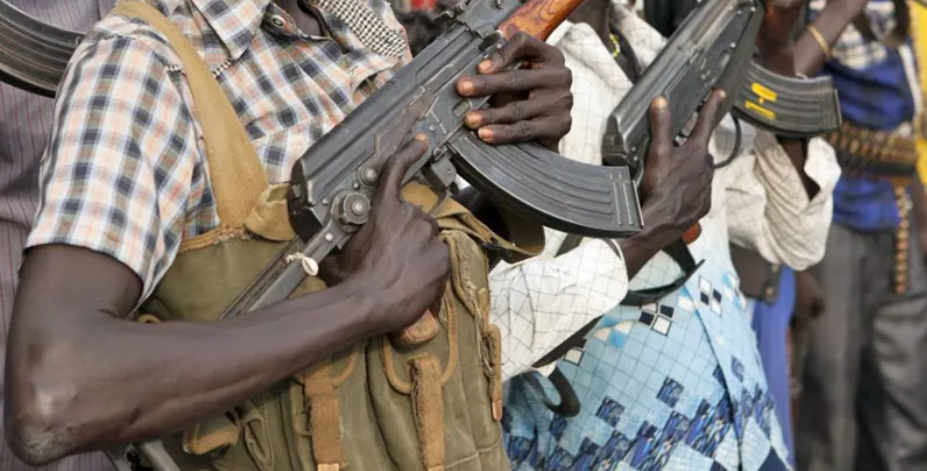
Machar’s House Arrest and Uganda’s Alleged Involvement
Amid the growing violence, reports indicate that Riek Machar has been placed under house arrest, a move condemned by his allies as a direct violation of the peace agreement. Tensions between his faction, SPLM-IO, and President Kiir’s administration have intensified, with accusations that Uganda has been conducting airstrikes in South Sudan. Machar has formally accused Uganda of violating the UN arms embargo, adding another layer of geopolitical tension to the crisis.
The UN Mission in South Sudan (Unmiss) has issued dire warnings, cautioning that the country is on the brink of relapsing into war. The British, US, Norwegian, and German embassies have either scaled down operations or urged their citizens to leave South Sudan, signaling the seriousness of the situation.
ALSO READ: Sudan Military Seizes Presidential Palace in Khartoum
Ethnic Tensions, Political Rivalries, and the Risk of Civil War
For years, South Sudan’s fragile stability has been undermined by ethnic tensions and political rivalries. The 2018 Revitalized Peace Agreement brought a temporary halt to widespread violence, but its implementation has been fraught with challenges. Arrests of Machar’s top allies, military clashes, and inflammatory rhetoric have all contributed to an environment where misinformation, disinformation, and hate speech are driving deeper divisions.
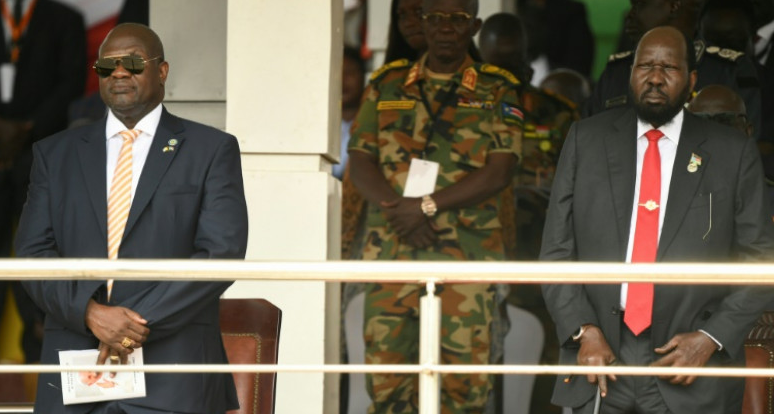
International Reactions and Calls for De-escalation
The international community, including the US Bureau of African Affairs, has called on President Kiir to release Machar and de-escalate tensions. The UN Security Council has also expressed concern, urging South Sudan’s leaders to prioritize peace over political infighting.
Haysom and Unmiss are engaging in diplomatic shuttle missions to prevent a return to war, but with thousands displaced, heavy military presence in Juba, and ongoing clashes in Upper Nile and Jonglei States, the road to stability remains uncertain.
What Lies Ahead for South Sudan?
With elections scheduled for next year, the stakes are higher than ever. The possibility of widespread conflict threatens not only South Sudan but the entire East African region. Will the leadership heed the warnings and work towards genuine reconciliation, or will the country spiral back into the horrors of war?
The coming weeks will be crucial in determining whether South Sudan moves towards lasting peace and democracy or falls back into deadly conflict. The world is watching.