


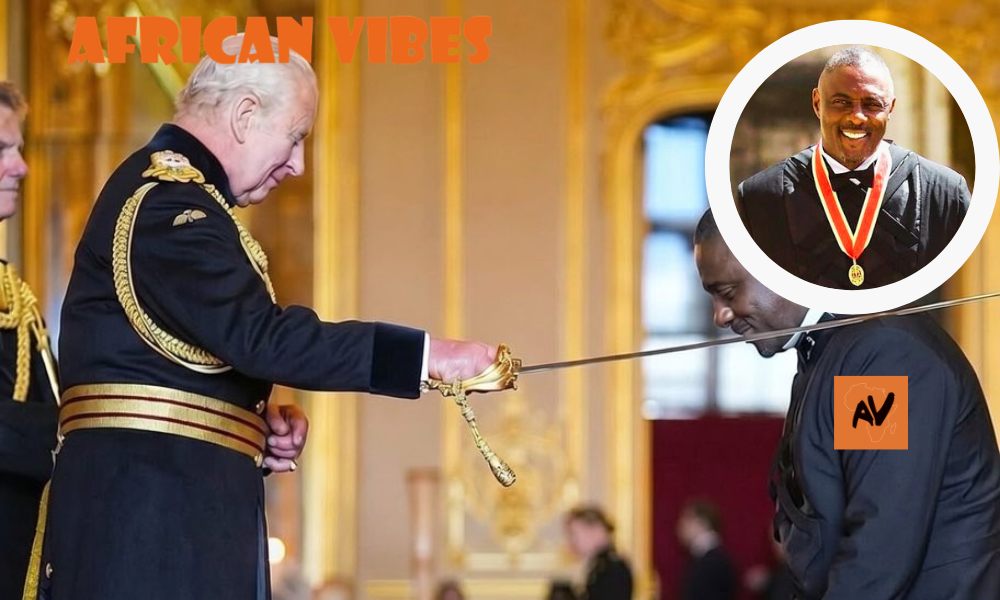
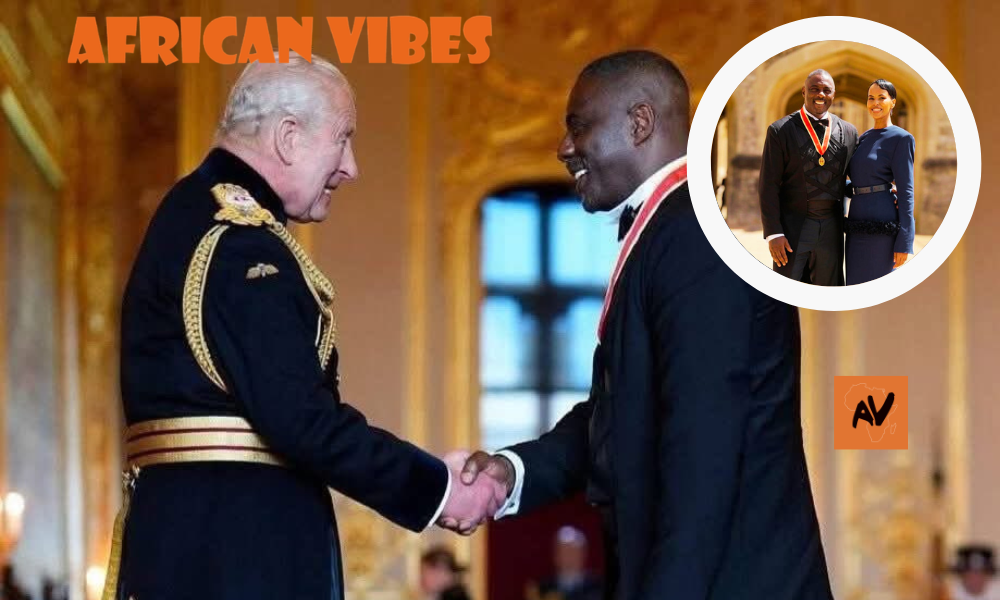
When Idris Elba received a knighthood from King Charles III, the ceremony marked a personal milestone in a career that has spanned television, film, music, and activism.
For many across Africa and its diaspora, however, the honour carries a significance that extends beyond royal tradition.
The actor, whose mother is Ghanaian and whose father was Sierra Leonean, has become one of the world’s most recognisable cultural figures. Over the past decade, he has increasingly used that platform not only to discuss representation in entertainment but also to advocate for investment in Africa’s creative industries.
His knighthood arrives at a time when African film, music, fashion, and digital media are attracting unprecedented international attention. The question now is whether moments like this can translate symbolic recognition into tangible opportunities.
From Hackney to Hollywood
Born in East London in 1972, Elba’s rise to global prominence was far from guaranteed.
After years of small television roles, he broke through internationally with his portrayal of Stringer Bell in HBO’s The Wire. Acclaimed performances in Luther, Mandela: Long Walk to Freedom, and Beasts of No Nation followed, establishing him as one of Britain’s most successful actors.
Throughout his career, Elba has frequently spoken about his Ghanaian and Sierra Leonean heritage, describing it as a central part of his identity.
That connection has become increasingly visible in recent years as he has expanded his focus beyond acting and towards projects linked to Africa’s future creative potential.
ALSO READ: Idris Elba Takes On Initiative To Transform Africa’s Film Industry
Why the Honour Resonates Beyond Britain
Knighthoods are awarded to individuals who have made exceptional contributions to British society.
For Elba, the recognition reflects decades of work in entertainment, charitable initiatives, and public service, including his role as a UN Goodwill Ambassador focused on road safety.
Yet the significance of the award is also cultural.
Across Africa and the diaspora, success stories are often measured not only by individual achievement but by what they represent collectively. Elba’s elevation to one of Britain’s highest honours places a man with strong African roots among the country’s most celebrated public figures.
For younger generations navigating multiple identities, that visibility carries symbolic weight.
The Bigger Conversation: Africa’s Creative Infrastructure
Perhaps more important than the title itself is how Elba has chosen to use his influence.
In recent years, he has publicly advocated for the development of modern film studios and production facilities across Africa. His argument is straightforward: the continent does not suffer from a lack of stories or talent, but from limited infrastructure.
The numbers support the opportunity.
Africa is home to the world’s youngest population, while industries such as Nigeria’s Nollywood have already demonstrated the scale of demand for locally produced content. Yet many productions continue to face challenges ranging from financing and post-production capacity to international distribution.
Supporters of Elba’s vision argue that improved infrastructure could help keep more creative investment on the continent while creating jobs across multiple sectors.
Critics, however, point out that infrastructure alone is not enough. Regulatory reforms, stronger intellectual property protections, access to financing, and distribution networks remain equally important pieces of the puzzle.
The Battle Over Who Tells Africa’s Stories
For decades, global narratives about Africa have often been shaped by outsiders.
While international coverage has highlighted important issues such as conflict, disease, and poverty, many African creatives argue that these stories represent only part of the continent’s reality.
Elba has consistently advocated for greater ownership of African narratives by African storytellers.
The timing is notable.
International audiences are increasingly consuming content from outside traditional Western entertainment centres. The global success of African music, streaming productions, and diaspora-led storytelling has created new demand for perspectives that were previously overlooked.
Whether through film, television, or digital media, the contest over who gets to tell Africa’s stories is becoming an economic question as much as a cultural one.
ALSO READ: Idris Elba’s Vision for an Eco-Friendly Smart City in Sierra Leone
Can Celebrity Influence Create Lasting Change?
Celebrity advocacy often generates headlines. Sustainable change is harder to achieve.
This is where Elba’s ambitions face their greatest test.
Projects linked to creative infrastructure require long-term investment, government cooperation, and business partnerships. Success cannot be measured by announcements alone but by whether new studios, training programmes, and production ecosystems actually emerge.
At the same time, celebrity influence can play a valuable role in attracting global attention and capital.
Investors who may never have considered Africa’s creative industries are more likely to pay attention when internationally recognised figures champion the sector.
The challenge is converting visibility into durable institutions.
A Moment, Not a Destination
Sir Idris Elba’s knighthood is undoubtedly a personal achievement, recognising decades of excellence in entertainment and public service.
But its broader significance lies in the conversations it amplifies.
Africa’s creative economy is expanding rapidly. Its filmmakers, musicians, designers, writers, and digital creators are increasingly shaping global culture rather than simply participating in it.
The honour bestowed on Elba does not guarantee a new era for African storytelling. It does, however, shine a brighter spotlight on a movement that was already gathering momentum.
Whether that momentum results in new studios, greater investment, stronger industries, and wider opportunities for African creators remains to be seen.
What is clear is that the world’s attention is increasingly turning towards the continent’s creative future—and Sir Idris Elba is positioning himself as one of its most influential advocates.