


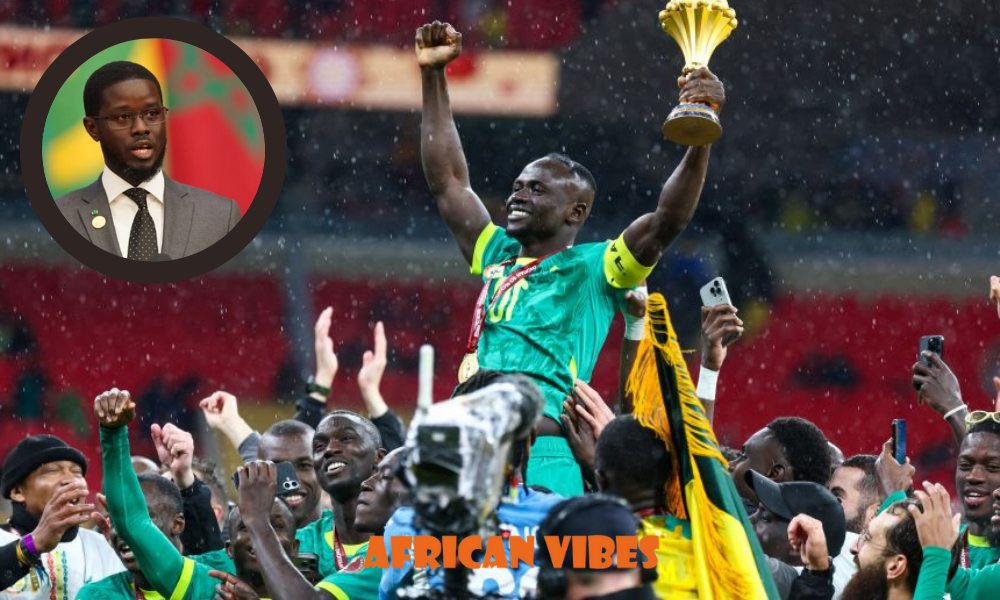
The air in Dakar has a different quality this week—it vibrates with the rhythmic thumping of Sabar drums and the collective exhale of a nation that has once again tasted the “summit of Africa.” Following their gritty, heart-stopping 1-0 victory over Morocco in the AFCON 2025 final, the Lions of Teranga returned home not just as athletes, but as immortals.
In a ceremony that blended state solemnity with the raw joy of the streets, President Bassirou Diomaye Faye ensured that these champions would never have to worry about their legacy—or their future. By rewarding the squad with unprecedented cash, coastal land, and the highest of national honors, Senegal has sent a powerful message: in this corner of the continent, excellence is met with a gratitude as vast as the Atlantic.
ALSO READ: Algeria Apologises After Player Mocks Patrice Lumumba Tribute
Background: From 2021 Dreams to 2026 Dominance
Senegal’s journey to becoming a powerhouse in African football was paved with decades of “almosts.” For years, the Lions were the “best team to never win it,” a narrative that finally shattered in 2021 under Aliou Cissé. That first star changed the psychology of the nation. Fast forward to 2026, and the pressure was different.
This wasn’t a team hoping to win; it was a juggernaut expected to lead. Under the tactical guidance of coach Pape Thiaw—himself a hero of the 2002 “Golden Generation”—Senegal navigated a grueling tournament in Morocco. The final was a masterclass in resilience, proving that the victory in 2021 wasn’t a fluke, but the dawn of a dynasty.
Key Developments: The Rewards of a Republic
Standing on a podium alongside the trophy, President Faye was unequivocal: “By your vital force and your creative genius, you have reversed the course of history.” The rewards announced are record-breaking for the region:
- The Financial Boost: Each player received 75 million CFA francs, a figure that dwarfs previous bonuses and recognizes the short, intense career span of professional athletes.
- A Stake in the Soil: Beyond the cash, the allocation of 1,500-square-meter plots in the Petite-Côte coastal area is deeply symbolic. In Senegal, land is the ultimate security. By gifting beachfront property, the state is ensuring its heroes are literally rooted in the land they defended on the pitch.
- Highest Honors: Being named Commander of the National Order of the Lion places Sadio Mané, Pape Gueye, and their teammates in the same bracket as the nation’s founding fathers and greatest diplomats.
Impact & Analysis: More Than Just a Game
This triumph is a beacon of African progress. While the international media often fixated on the “walk-off” drama during the final—where the team briefly protested a controversial penalty—the real story was the leadership of Sadio Mané. Mané, who convinced his teammates to return and finish the fight, exemplified the “calm in the storm” that defines the modern Senegalese spirit.
Analysis of these rewards suggests a growing trend of “Sporting Diplomacy” in Africa. By treating footballers with the same reverence as military or civil leaders, Senegal is using the Senegalese music scene and sports culture to foster a sense of unified national identity. This isn’t just about football; it’s about the “creative genius” of a people who refuse to be defined by global stereotypes of “disorder,” choosing instead to define themselves through discipline and triumph.
Conclusion: A Legacy Etched in Teranga
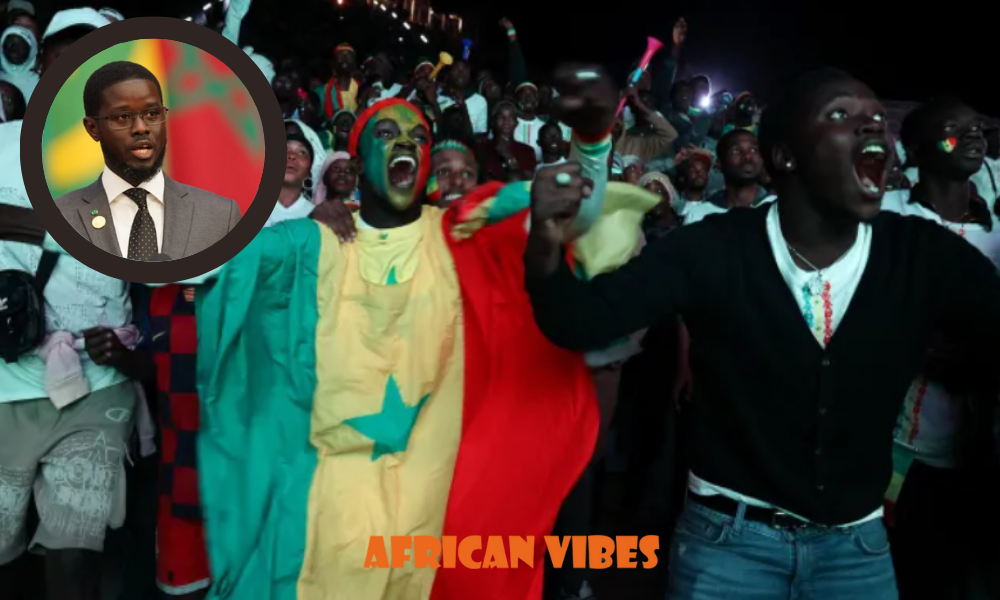
As the open-top bus paraded through the streets of Patte d’Oie, the sea of green, gold, and red flags was a reminder that for 90 minutes (and 30 extra), an entire nation breathed as one. The rewards given by President Faye are significant, yes, but the true prize is the inspiration provided to every child kicking a ball in the dust of Saint-Louis or Ziguinchor.
The Lions have shown that when Africans unite with “discipline and confidence,” as Faye noted, no challenge is insurmountable. Senegal is no longer just participating in the beautiful game; they are defining its future on the continent.