


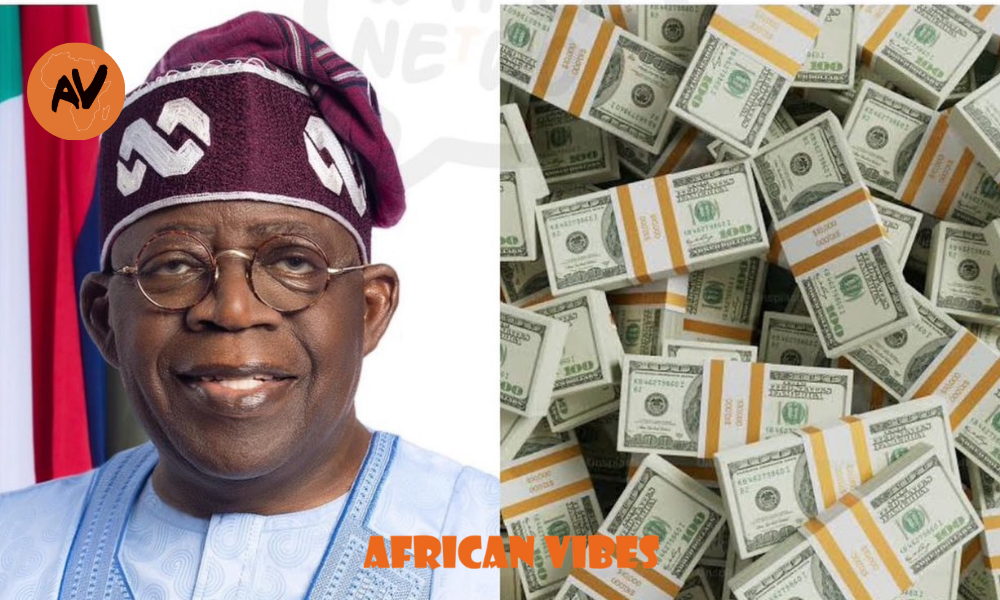
In April 2020, Nigeria Repays IMF Loan. They had secured a $3.4 billion emergency loan from the International Monetary Fund (IMF) through the Rapid Financing Instrument (RFI). This lifeline was designed to help Africa’s largest economy manage the immediate shockwaves of the COVID-19 pandemic, including a public health emergency and a collapse in oil prices.
Fast forward to April 30, 2025—Nigeria has officially repaid the loan in full. More than a financial transaction, this moment signifies a shift in Nigeria’s economic narrative, reflecting increased discipline, resilience, and a renewed focus on restoring global financial confidence.
Background: The Context of the Loan
The loan was approved by the IMF at a time when Nigeria’s economy was teetering on the brink. With oil revenues plunging and global demand suppressed, Nigeria faced an urgent balance of payments crisis. The IMF’s RFI program offered a fast-disbursing solution with no structural adjustment conditions, minimal interest, and a short repayment period.
The funds were used to stabilize the economy, sustain essential imports, and protect vulnerable populations. While some critics questioned transparency in fund utilization, the overall intent and urgency were clear.
Fiscal Discipline Amid Challenges
Repaying a multi-billion-dollar loan in just five years—during a period of macroeconomic strain—is no small feat.
Since 2020, Nigeria has grappled with:
- Soaring inflation, peaking above 20% at times.
- A depreciating Naira, pressured by foreign exchange scarcity.
- Difficult subsidy reforms, particularly in petroleum products and electricity.
Despite these, successive administrations pursued a mix of austerity and reform to honor international obligations. Key enablers included:
- Improved oil revenue collection as global prices rebounded.
- Broadened tax base and introduction of digital revenue channels.
- Public expenditure controls and enhanced debt servicing prioritization.
This speaks volumes about Nigeria’s evolving fiscal maturity.
ALSO READ: Ethiopia Tops Africa’s Sovereign Wealth Fund 2025 Rankings with $45 Billion in Assets
Restoring Global Financial Credibility
Repaying the IMF ahead of schedule has significant reputational value. It signals to the global financial community that Nigeria is committed to honoring its debts—a critical consideration for future credit access.
Nigeria’s removal from the IMF’s list of debtor countries:
- Enhances its sovereign creditworthiness.
- Improves its standing with rating agencies such as Moody’s and Fitch.
- Bolsters trust with multilateral development banks and bilateral lenders.
The message is loud and clear: Nigeria is positioning itself as a trustworthy and capable borrower.
ALSO READ: From Mines to Minds – How Botswana Turned Diamond Wealth into Human Capital
Boosting Investor Confidence
Beyond international lenders, the ripple effects of this repayment extend to foreign and domestic investors. A country that repays on time (or ahead of schedule) demonstrates policy reliability—one of the most valuable traits in emerging markets.
Anticipated outcomes include:
- Lower interest premiums on Eurobond issuances.
- Reinvigorated FDI interest, particularly in non-oil sectors like fintech, infrastructure, and manufacturing.
- Greater appetite for public-private partnerships, especially in energy and transport.
For Nigeria, this is a reset moment to reframe its image from risk-heavy to reform-oriented.
Remaining Risks and Obligations
Despite the full repayment, Nigeria is not entirely free of IMF-linked financial obligations. It still incurs Special Drawing Rights (SDR) charges, amounting to approximately $30 million annually. These represent costs related to Nigeria’s use of IMF resources and will continue until full SDR balance alignment.
Moreover, Nigeria’s broader economic health remains in recovery. Persistent structural challenges include:
- A rising debt-to-GDP ratio.
- Low revenue-to-GDP levels compared to African peers.
- The need for deeper exchange rate harmonization and capital market reforms.
Sustaining investor confidence will depend on continued commitment to reform and strategic debt management.
Conclusion
Nigeria’s repayment of the $3.4 billion IMF loan is a watershed moment. It demonstrates that even under immense pressure, sound fiscal management and policy focus can yield tangible outcomes.
As President Bola Tinubu’s administration pushes forward with economic reforms, this achievement strengthens his hand both at home and abroad. It also serves as a case study in resilience—a reminder that Africa’s economic giants can rebound, rebuild, and reclaim global financial respect.
But this is not the end. It is a reset—an opportunity for Nigeria to forge a new era of responsible borrowing, investor engagement, and long-term economic transformation.
???? Quick FAQs
Q: When did Nigeria repay the IMF loan?
A: On April 30, 2025, Nigeria completed the repayment of the $3.4 billion COVID-19 emergency loan from the IMF.
Q: Why was the loan taken in 2020?
A: To address urgent balance of payments needs during the COVID-19 pandemic and oil price crash.
Q: What does the repayment mean for Nigeria?
A: It boosts Nigeria’s credit profile, restores financial credibility, and increases investor confidence.
Q: Are there any remaining costs?
A: Yes, Nigeria will continue to pay about $30 million annually in SDR charges until full balance alignment.