


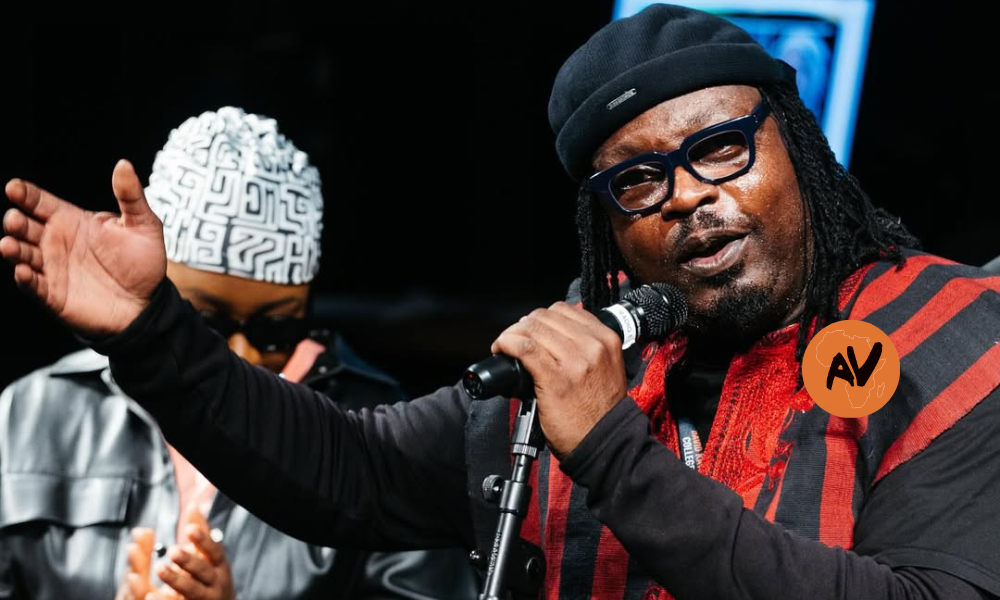
In a move that has reignited Nigeria’s long-running tension between government authority and artistic freedom, the National Broadcasting Commission (NBC) has banned veteran rapper Eedris Abdulkareem’s newest single, “Tell Your Papa”, from public airwaves. The politically charged Afrobeats track, which directly criticizes President Bola Tinubu and his son Seyi Tinubu, was declared “Not To Be Broadcast” just days after its April 6 release.
While regulators cite violations of the national broadcasting code, critics say the real offense was telling uncomfortable truths.
???? A Protest Song That Hit a Nerve
Eedris Abdulkareem is no stranger to controversy. Over two decades ago, his legendary protest track “Nigeria Jaga Jaga” was banned for slamming corruption under the Obasanjo administration. Now, in 2025, the rapper returns with a new firestorm.
“Tell Your Papa” blends English, Yoruba, and Pidgin to deliver a direct message to Seyi Tinubu—calling on him to inform his father that Nigerians are “hungry, dying, and tired of empty promises.” Eedris Abdulkareem criticizes the disconnect between Nigeria’s suffering masses and the political elite, mocking President Tinubu’s infamous “balablu” gaffe and the perceived privilege of his son, who flies in private jets while ordinary citizens fear for their safety on insecure roads.
The song’s chorus says it all:
“Tell your papa, Seyi, country hard, people dey die… Too much empty promises—balablu grammar.”
???? NBC Ban: Swift and Official
On April 9, the NBC issued a formal directive to radio and TV stations across Nigeria, banning “Tell Your Papa” from all public broadcasts. The song was deemed to violate Section 3.1.8 of the Nigeria Broadcasting Code, and was labeled as “inappropriate for broadcast due to its objectionable nature.”
While no vulgarity or explicit language is present, the song’s political overtones and critique of the presidency appeared to cross a red line. By invoking regulatory language around “public decency,” the NBC framed the action as routine—yet many Nigerians saw it as censorship, plain and simple.
ALSO READ: Do You Know These Togolese Established And Upcoming Musicians?
???? Artist Fires Back: “They Can’t Ban the Message”
Eedris Abdulkareem, never one to back down, immediately pushed back.
“I have traveled this road before. This is reminiscent of the ban of my song ‘Jaga Jaga’ by the Obasanjo administration 21 years ago,” he said in a statement.
The rapper accused the authorities of fearing truth and silencing voices of conscience.
“They can ban the song, but they can’t ban the message,” he declared defiantly.
He later teased the possibility of another protest track, vowing not to be intimidated.

???? Public Outcry and Viral Support
Far from disappearing, “Tell Your Papa” went viral following the ban. On YouTube, it racked up tens of thousands of views within 24 hours. Across TikTok, Instagram, and X (formerly Twitter), Nigerians reposted the track as an act of resistance. Memes, remixes, and videos quoting the lyrics poured in.
Many saw the NBC’s decision as a political overreach.
“The ban has only made the song more powerful,” tweeted one user.
“This is not just a track. It’s a reflection of our pain,” wrote another.
???? Music Industry and Civil Society Push Back
The Performing Musicians Association of Nigeria (PMAN) also condemned the ban. PMAN President Pretty Okafor said:
“The song tells the truth. It resonates with the suffering of ordinary Nigerians. There’s nothing wrong with it.”
SERAP, a leading civil rights group, issued a 48-hour ultimatum demanding the NBC reverse the ban. When ignored, they filed a lawsuit against the commission and the Tinubu administration, arguing the ban violates constitutional rights to free expression.
International bodies including Amnesty International Nigeria and Media Rights Agenda echoed similar sentiments, calling the move a dangerous precedent for silencing dissent through media regulation.
ALSO READ: Madagascar: A Destination You Must Visit At Least Once In Your Lifetime
???? The Bigger Battle: Music vs. Power
This latest controversy reflects a broader pattern in Nigeria and across Africa—where music often becomes a battleground between truth and authority. From Fela Kuti’s legendary confrontations to modern-day bans, artists continue to be cultural truth-tellers—and governments continue to push back.
Yet, in the age of streaming and social media, silencing music is no longer easy. Banned on the radio, “Tell Your Papa” now lives louder online.
???? Final Word
“Tell Your Papa” may have been silenced on the airwaves, but it has thundered into the hearts of many Nigerians. For Eedris Abdulkareem, it’s another chapter in a lifelong struggle against injustice. For the country, it’s a reminder that protest music still carries power.
And for African Vibes readers across the continent and the diaspora, it’s a call to keep listening—to the beats that echo truth and to the artists brave enough to speak it.