


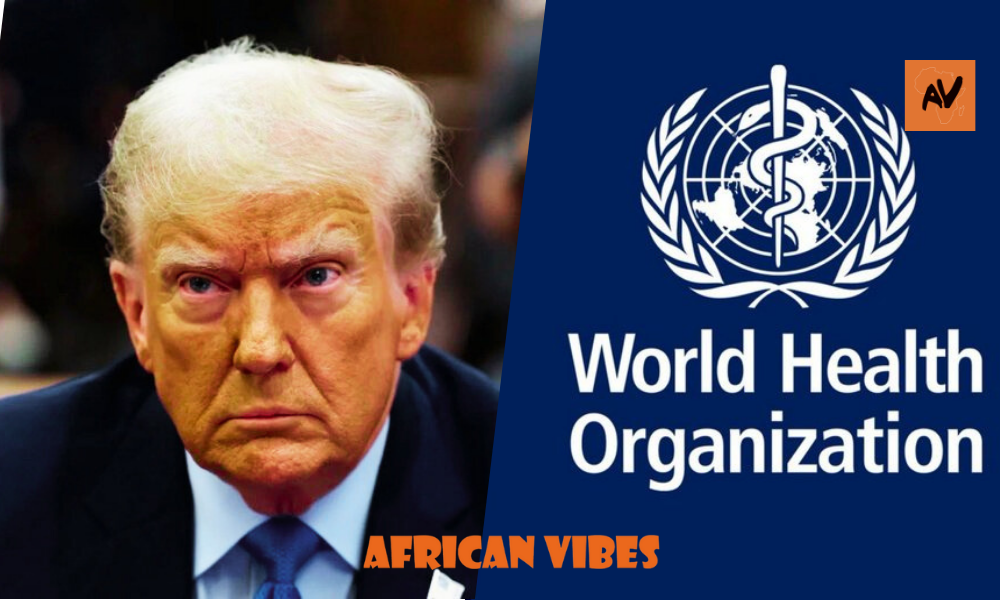
When the United States announced its decision to withdraw from the World Health Organization (WHO), the immediate focus was on Washington’s political calculations. But far beyond the corridors of power in the US capital, the move sent shockwaves through the global health community — raising an uncomfortable question: if the world’s most powerful nation can walk away from the WHO, what stops others from doing the same?
At stake is not just the future of one international institution, but the fragile idea of global cooperation in the face of health crises that know no borders.
Why the WHO Matters
The World Health Organization is often misunderstood as a distant, bureaucratic body issuing guidelines from Geneva. In reality, it plays a hands-on role in coordinating disease surveillance, supporting vaccination campaigns, responding to health emergencies, and advising governments during outbreaks.
From Ebola in West Africa to COVID-19 worldwide, the WHO has functioned as a central hub for sharing data, mobilising resources, and setting global standards. Its effectiveness relies heavily on cooperation — especially from major powers with financial clout and scientific capacity.
The United States has historically been one of the WHO’s largest contributors, both financially and technically. Its exit therefore creates a significant gap, one that cannot be easily or quickly filled.
ALSO READ: You Won’t Believe Which African Giant Is Copying Niger’s U.S. Visa Shutdown
A Precedent with Global Consequences
Beyond the immediate funding shortfall, health experts warn that the US withdrawal sets a dangerous precedent. International organisations depend on the willingness of member states to stay engaged even when disagreements arise. When powerful countries disengage, the entire system becomes vulnerable.
If the US can leave the WHO over political or ideological disputes, other nations may feel emboldened to do the same — selectively supporting multilateral institutions only when convenient. This risks turning global health into a fragmented landscape where cooperation is optional and collective responsibility is weakened.
Such a shift could be especially harmful during future pandemics, when rapid information-sharing and coordinated responses are essential.
Africa and the Global South at Risk
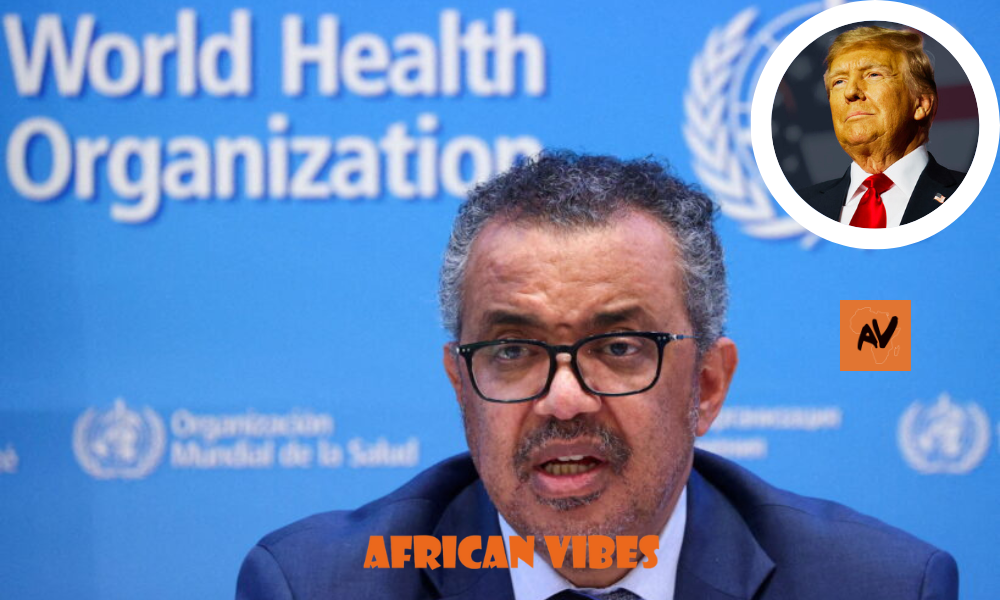
For many African countries, the WHO is not a luxury but a lifeline. The organisation supports national health systems that are often under-resourced, helping to track disease outbreaks, train health workers, and respond to emergencies.
A weakened WHO could mean slower responses to outbreaks like cholera, measles, or Ebola — delays that cost lives. It could also undermine long-term programs focused on maternal health, child immunisation, and disease prevention.
While wealthy nations may be able to compensate through bilateral agreements or private healthcare systems, low- and middle-income countries are far more exposed to the fallout of reduced global coordination.
ALSO READ: Burkina Faso Pharmaceutical Plant
Politics Over Public Health
Critics of the US decision argue that the withdrawal reflects political priorities rather than public health realities. The timing is particularly concerning given the lessons learned from the COVID-19 pandemic, which demonstrated the cost of delayed responses, misinformation, and lack of coordination.
Public health experts stress that no country, regardless of wealth or power, can tackle global health threats alone. Viruses do not respect borders, ideologies, or election cycles.
By stepping away from the WHO, the US risks undermining the very systems designed to protect the global population — including its own citizens.
Can Others Fill the Gap?
In response to the US exit, other actors may attempt to step in. The European Union, China, and philanthropic organisations have all increased their involvement in global health in recent years. However, replacing the scale of US funding and influence is no simple task.
There are also concerns that increased reliance on a smaller group of donors could shift the WHO’s priorities or politicise its work further. A truly effective global health body requires broad-based support, not dominance by a handful of players.
The Bigger Question
The US withdrawal from the WHO is ultimately about more than one country or one organisation. It raises fundamental questions about the future of multilateralism at a time when the world faces overlapping crises — pandemics, climate change, and growing inequality.
If global health cooperation becomes optional, the most vulnerable populations will bear the heaviest burden. The precedent being set today could shape how the world responds to the next major health emergency.
Conclusion
The decision by the United States to leave the WHO sends a troubling signal at a moment when global solidarity is more necessary than ever. While political disagreements are inevitable, abandoning shared institutions risks weakening the very frameworks designed to protect humanity as a whole.
As the world watches how the WHO adapts to this challenge, one question remains unanswered: if the rules of global cooperation no longer bind the most powerful, who will be left to uphold them?