


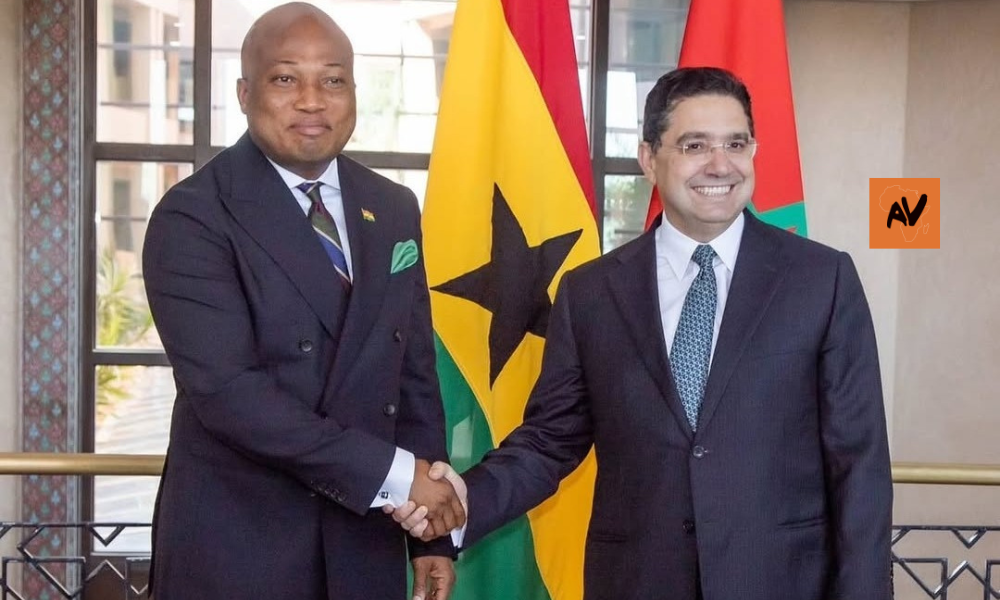
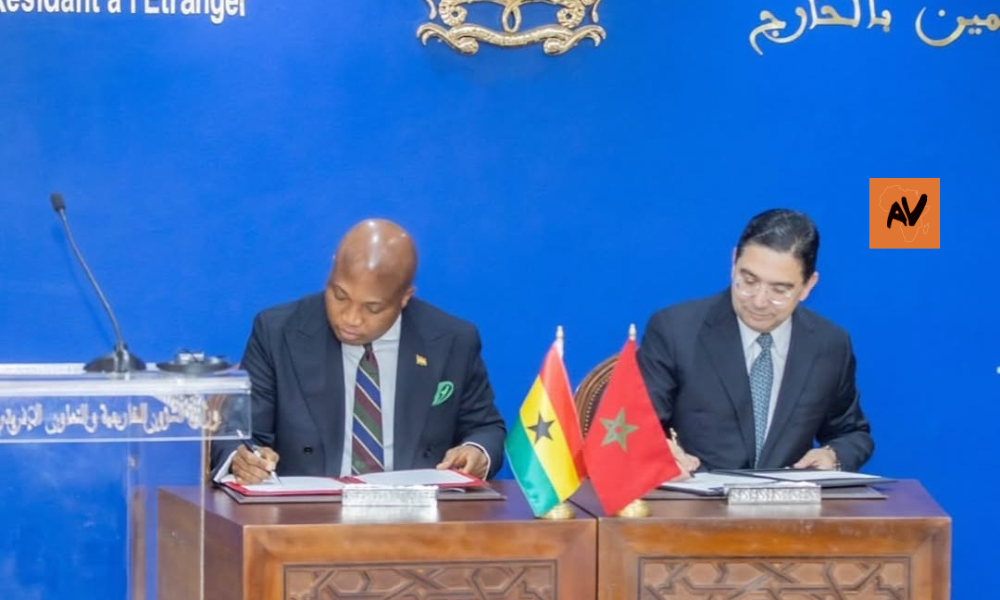
In a landmark move poised to redefine African mobility and diplomacy, Ghanaian citizens can now travel to Morocco without a visa, following a historic agreement between the two nations. The visa-free policy, which took immediate effect, was announced after Ghana’s Minister of Foreign Affairs, Hon. Samuel Okudzeto Ablakwa, concluded a diplomatic visit to Rabat.
This development marks a major step toward enhanced regional integration and aligns with the African Union’s Agenda 2063, which envisions a borderless, prosperous, and unified continent. The bilateral agreement not only eases travel but also symbolizes a deeper commitment to economic collaboration, educational exchange, and political solidarity between the two countries.
Revolutionizing African Travel
At the heart of the new policy is the implementation of Morocco’s Electronic Travel Authorization to Morocco (ETAM) system for Ghanaians. The online platform allows Ghanaian travelers to apply for and receive travel approval within 24 hours—eliminating embassy queues and extensive paperwork. The digitization of the process signals a modern, efficient approach to cross-border mobility and opens the door to increased cultural exchange, tourism, and commerce.
Royal Air Maroc’s existing direct flights between Accra and Casablanca are expected to increase in frequency to meet the anticipated surge in travel demand.
ALSO READ: Burkina Faso’s Gold Controversy: Traoré, AFRICOM, and Africa’s Fight for Resource Sovereignty
Diplomatic Breakthrough and Political Alignment
During the visit, Ghana also announced a significant diplomatic shift by withdrawing its recognition of the Sahrawi Arab Democratic Republic (SADR), aligning itself with Morocco’s stance on the Western Sahara issue. This move solidifies the strengthening ties between the two countries and positions Ghana as a key ally in Morocco’s North African and continental diplomacy.
Boosting Education and Economic Partnerships
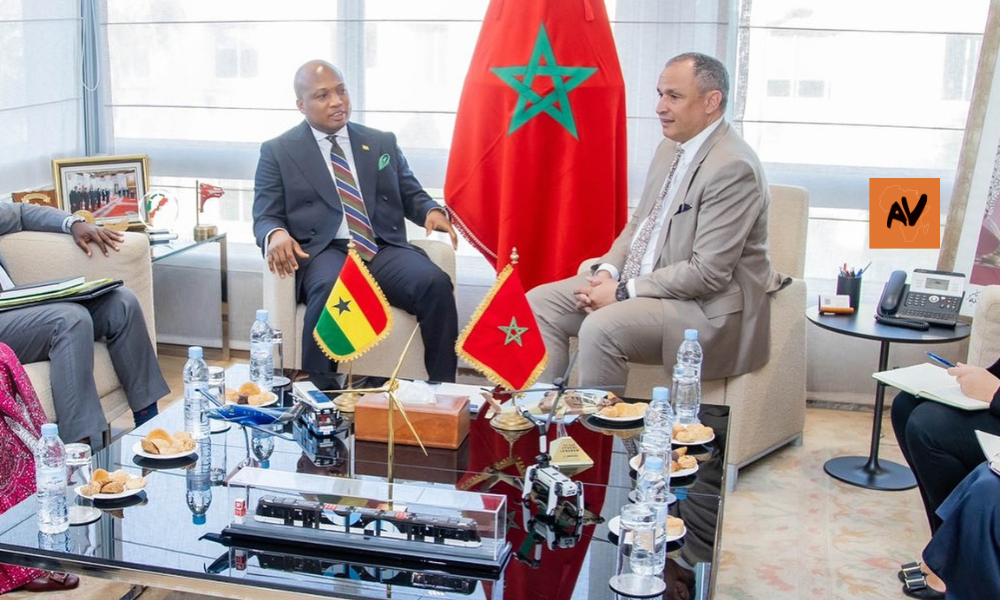
Further cementing bilateral cooperation, Morocco has committed to increasing its scholarship offerings for Ghanaian students from 90 to 140 annually through the Moroccan Agency for International Cooperation (AMCI). These scholarships span critical sectors such as engineering, health sciences, and agriculture—areas vital to Ghana’s national development agenda.
On the economic front, both countries have outlined plans for a high-level Ghana-Morocco Business Forum set for October 2025. The forum aims to bring together entrepreneurs, investors, and policy leaders to foster trade and investment opportunities. Particular emphasis was placed on agricultural collaboration, especially around fertilizer supply—a strategic issue for Ghana, which imports significant quantities for local production.
Continental Implications: A Model for Africa
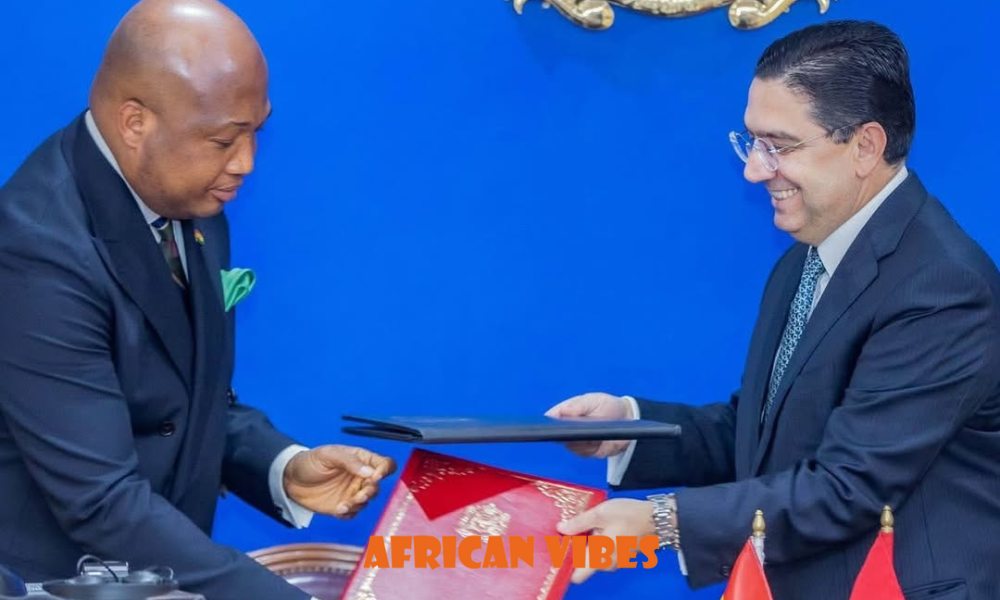
The Ghana-Morocco agreement sets a bold precedent for African nations looking to foster intra-continental collaboration through pragmatic diplomacy. By easing mobility and streamlining border access, the two nations are not only deepening bilateral ties but also advancing the goals of the African Continental Free Trade Area (AfCFTA).
This agreement demonstrates that political will, digital innovation, and strategic partnerships can break down long-standing barriers and stimulate economic growth, youth empowerment, and people-to-people connections across Africa.
Conclusion
The visa-free agreement between Ghana and Morocco is more than a diplomatic win; it’s a visionary stride toward a more integrated Africa. From educational opportunities to expanded business ties, this new chapter underscores the power of African unity and collaboration. As Accra and Rabat strengthen their bonds, the rest of the continent watches with hope—and perhaps, inspiration—to follow suit.