


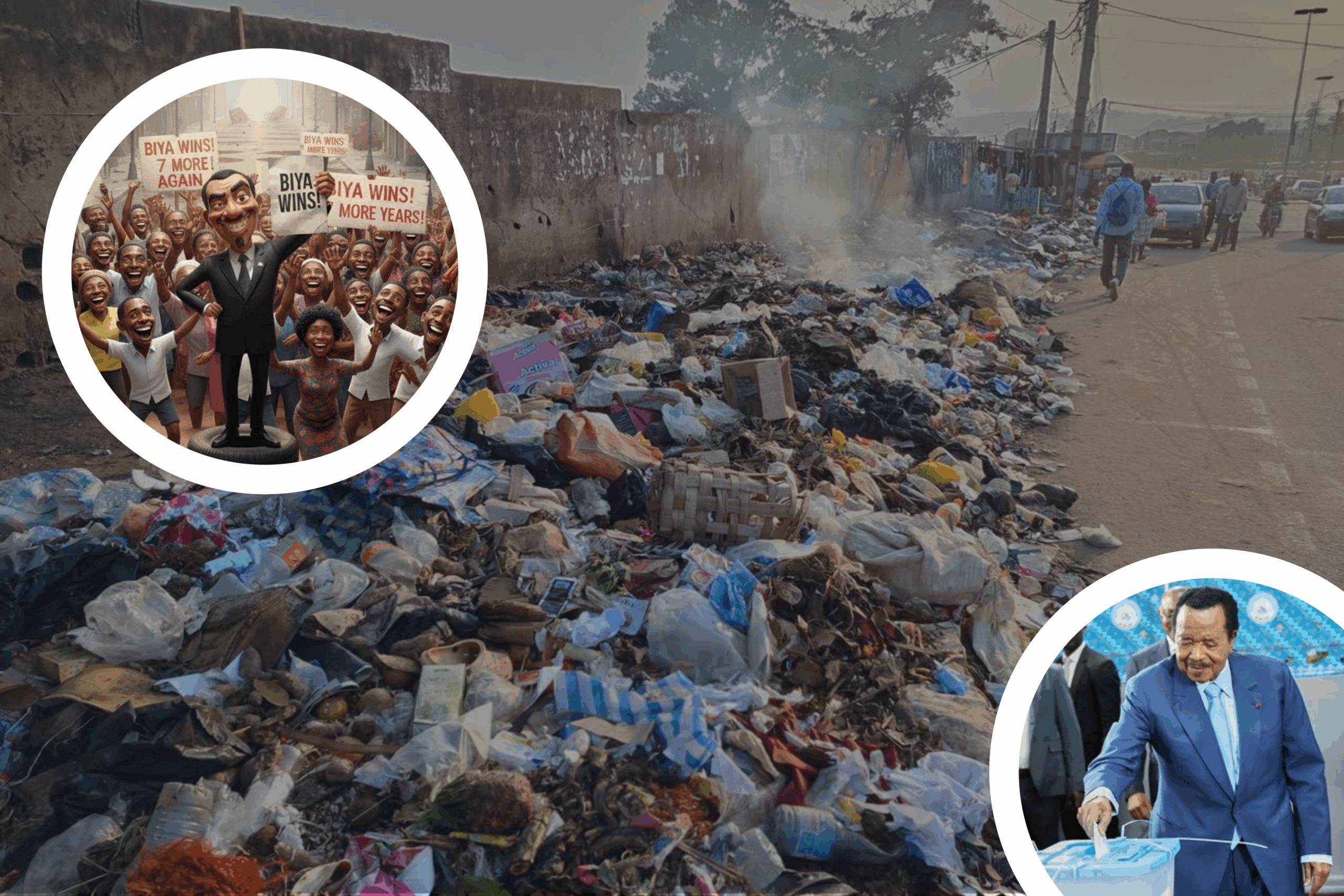
So, the “provisional” results are in from Cameroon’s presidential election.
And—shocker—the 92-year-old who’s been in power since 1982 has apparently won again.
President Paul Biya has been declared the victor with 53.66 percent of the vote. His main challenger, Issa Tchiroma Bakary, got 35 percent. Case closed, right?
Well, not quite.
Tchiroma isn’t accepting it. He’s released his own tallies showing he won with around 60 percent. Protests have exploded in Douala, Garoua, and Yaoundé. At least one person is dead. Dozens have been arrested. The government is warning against any “insurrection.”
ALSO READ: Cameroon’s Democracy Tested as Opposition Declares Early Victory Over 92-Year-Old Biya
Look, this isn’t just another election dispute. It’s the climax of 43 years of accumulated frustration, distrust, and one big question: How many times can the same man win before people just stop believing it’s possible?
If you’re looking at the official results and your brain is screaming ‘no way,’ you’re not alone. To trust them, you have to accept nine “facts” that stretch belief to its breaking point.
Let’s walk through them.
1. That a 92-Year-Old Is Who the ‘TikTok Generation’ Wants

Let’s just do the math. Cameroon’s median age is 18. That means half the country has never known another president. Not one single day of their lives.
To believe Biya’s victory, you have to believe that these young voters—the ones living in a world of fintech, TikTok, and AI—looked at a 92-year-old man and thought, Yes, he’s the one to lead us into the future.
You’d also have to believe they’re excited about him serving until he’s 99 years old. Because that’s when this new seven-year term ends. Ninety-nine.
2. That the Referee, Hired by the Player, Is Neutral
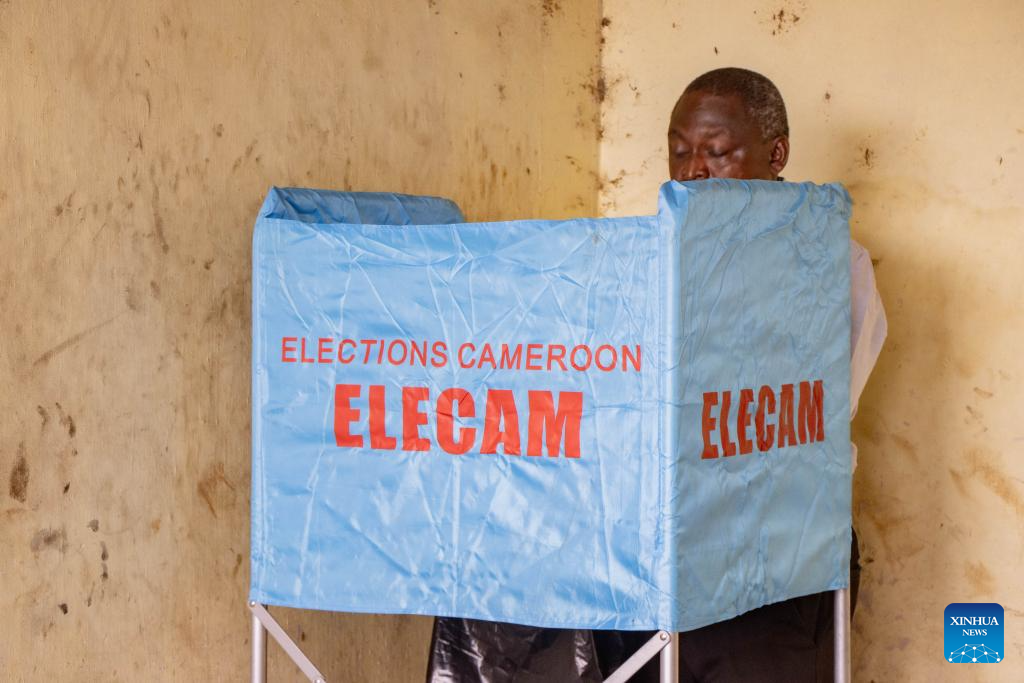
Here’s where it gets awkward. ELECAM—the National Elections Management Body—is supposed to be neutral. Independent. The fair referee.
Except ELECAM’s top members are appointed by… checks notes… President Biya.
And it formally reports to the Ministry of Territorial Administration, which is controlled by… President Biya’s government.
To trust the results, you have to believe that a referee handpicked by one of the players is calling the game fairly. It’s the electoral equivalent of grading your own exam and expecting an A+.
3. That People in an Active War Zone Voted for Their ‘Oppressor’
This one is just wild.
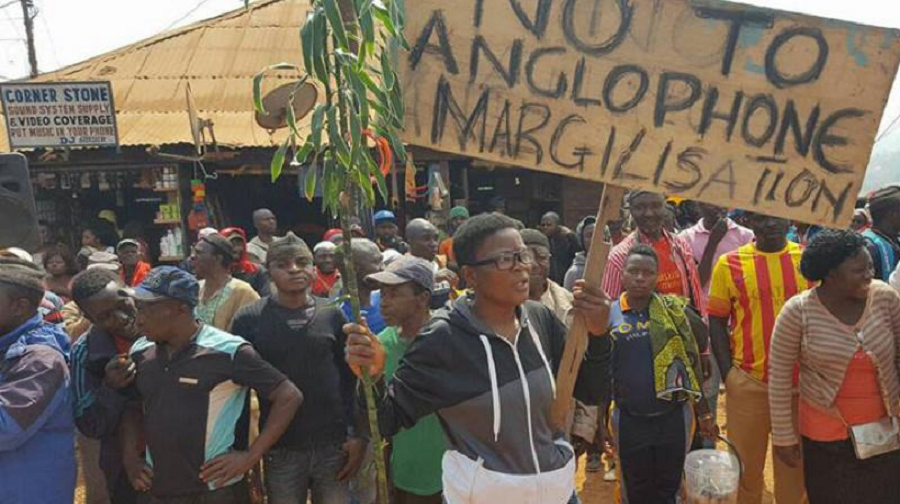
For nearly a decade, Cameroon’s Anglophone Northwest and Southwest regions have been locked in a brutal civil war with Biya’s government. Villages burned. Thousands dead. Mass displacement. Separatist-enforced “ghost towns.”
According to the official results, Biya still won votes in these regions.
So, you have to believe that people who’ve fled their homes, lost family members, and see Biya as the architect of their suffering… turned out to vote for him. Anyway.
You’d also have to believe that vote counts from active conflict zones—where many polls never even opened—are a perfect reflection of the people’s will.
4. That Biya Offered Tchiroma the PM Job Out of Pure, Honest ‘Goodwill’
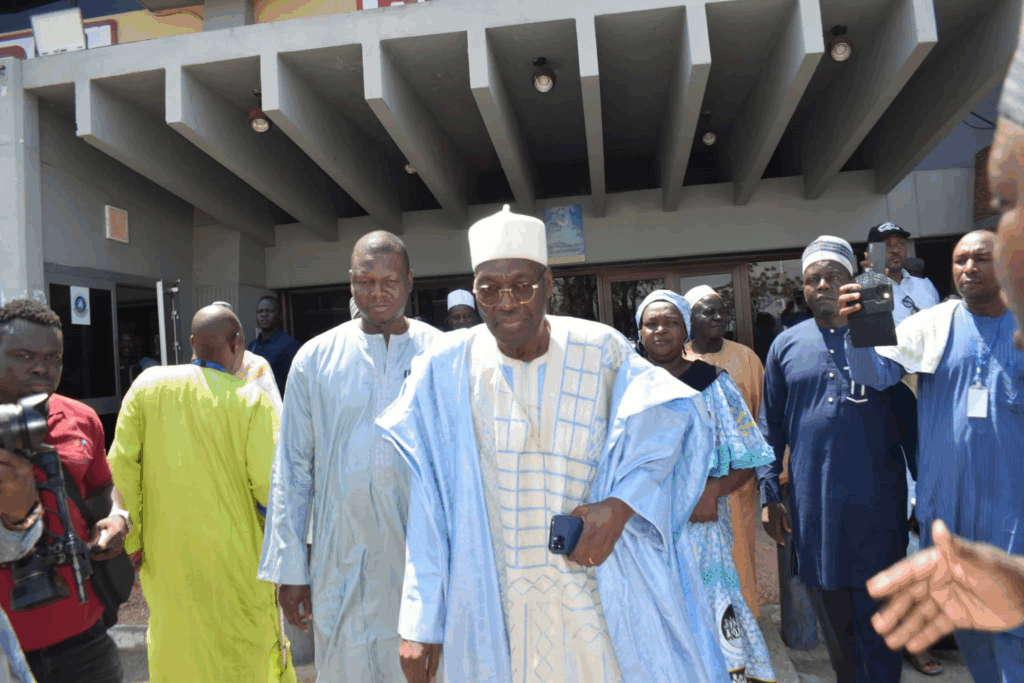
Here’s a plot twist straight out of a political thriller: According to multiple credible reports, President Biya reportedly offered opposition leader Issa Tchiroma Bakary the position of Prime Minister.
Think about that for a second. The man who supposedly just “lost” the election by a fair margin was then offered the second most powerful job in the country. The French weekly Jeune Afrique reported Biya extended this offer to ease post-election tensions and, crucially, to dissuade Tchiroma from filing a formal appeal challenging the provisional results.
But Tchiroma flat-out rejected it, saying accepting would “betray the people’s will.” He still insists he won.
“I will not trade the people’s mandate for a powerless title. The will of Cameroonians cannot be negotiated behind closed doors.” . – Issa Tchiroma
To accept Biya’s official victory, you have to believe that this offer was made purely out of presidential benevolence, a magnanimous gesture to a defeated opponent. You have to believe it had nothing to do with trying to silence a legitimate challenge, or that Biya was simply trying to co-opt a rival who actually posed a serious threat. It’s an offer that speaks volumes, if you’re willing to listen.
5. That History Doesn’t Repeat Itself (Even When It Follows the Same Script)
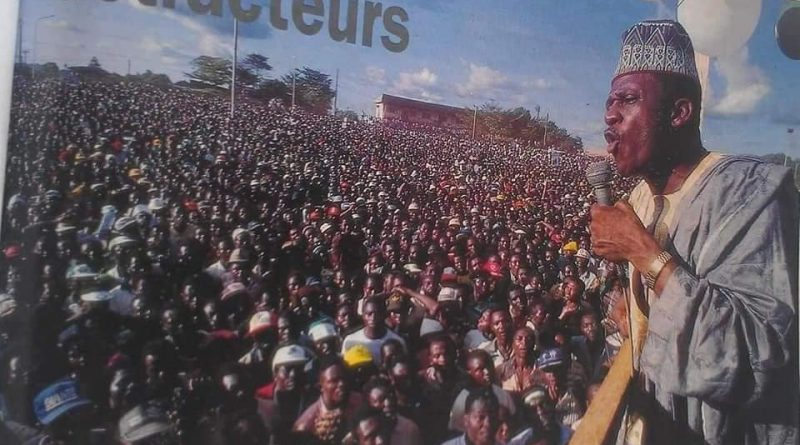
To accept the 2025 results, you have to believe that the institutions running the election have no memory.
You have to forget 1992, the ghost that still haunts Cameroonian politics. That’s when John Fru Ndi, by multiple independent tallies, appeared to have won the presidential election. But then… the results were reversed. Allegations of state tampering flew. Victory was snatched away. It was the first, deep crack in the nation’s democratic credibility, a wound that never healed.
Then you have to forget 2018. Remember that? The one where opposition candidate Maurice Kamto claimed victory, protested the results, and was promptly thrown in prison.
Now, in 2025, the exact same institutions that oversaw 1992 and 2018—ELECAM, the Constitutional Council, the entire ruling party apparatus—have run this election. With the same accusations. The same patterns. The same playbook.
To believe this time is different, you have to believe these bodies, with no structural reforms or new leadership, suddenly and magically became paragons of integrity. You have to believe that the 30-year-old memory of “They did it before, they can do it again” is just a bad dream.
6. That a 90% Media Blackout on the Opposition Doesn’t Matter
Turn on state-run Cameroon Radio Television (CRTV) during the campaign, and you’d be forgiven for thinking only one person was running.
Biya’s campaign received blanket, glowing coverage. Opposition candidates? Scraps of airtime, often framed as “noise” or “disruptions.”
To accept the results, you have to believe this media dominance had zero influence on voters. That information asymmetry just… doesn’t matter. In an election. Right.
7. That ‘Governing from Switzerland’ Is a Winning Strategy

It’s Cameroon’s most open secret: President Biya spends months at a time outside the country, often in a luxury hotel in Switzerland.
He’s rarely seen. Rarely speaks. He’s earned the nickname “the absentee president.”
To believe he won decisively, you have to believe Cameroonians looked at this leadership style—this ghost governance—and said, “Yes, more of this, please.” You have to believe they prefer a president who governs from 5,000 miles away over one who is actually present.
8. That 43 Years of Decay Is ‘Progress’

This is the big one. To believe Biya won, you have to believe that the last 43 years of his rule have been better than the 22 years under Cameroon’s first president, Ahmadou Ahidjo.
Look, Ahidjo wasn’t perfect. Not by a long shot. He ran a centralized state, French influence was heavy, and the Anglophone regions already felt marginalized. His style was authoritarian. All true.
But… he had a plan. He commanded respect. And he delivered results. He launched a “Green Revolution” that, by the 70s, had Cameroon exporting food. Infrastructure was being built. There was a feeling, a vibe, that the country was heading somewhere.

Now, fast-forward through 43 years of Biya’s rule. What’s the vibe?
Crater-sized potholes. Chronic “délestage” (rolling blackouts). Unreliable water. The infrastructure Ahidjo built? Crumbled. The agricultural ambition? A distant memory.
To believe Biya deserves another term, you have to look at this four-decade-long decay and call it “progress.”
9. That Deadly Protests Are Just… Sore Losers

At least one person is dead. Dozens arrested. Protesters are in the streets, calling the results a theft.
To believe the official verdict, you have to dismiss all of this as noise. As political theater.
You can’t see it as the outcry of a fed-up population that has watched the same script play out election after election. You have to see it as just a few bad apples who can’t take a loss.
So, What Happens Now?
The Constitutional Council will issue the final, “official” results by October 27. But the lines are already drawn.
The government says it’s a clear win. The opposition and the streets say it’s a clear steal.
Understanding this election isn’t about accepting one “official” number. It’s about looking at these nine realities and deciding for yourself which ones you’re willing to believe.
And this story is far, far from over.