


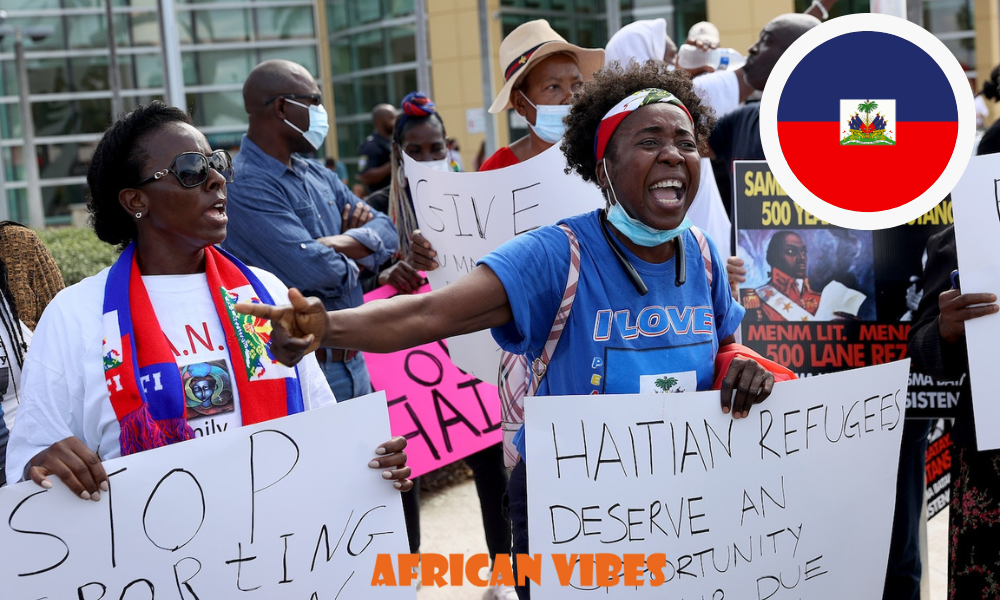
Two centuries after Haiti became the first Black republic to gain independence through revolution, the country is once again making headlines—not for its struggle for freedom, but for its demand to be repaid for the very price it was forced to pay for that freedom. As the world marks the 200th anniversary of the infamous 1825 “independence debt,” Haitians are demanding that France return what they argue was an extorted sum—equivalent to between $21 billion and $135 billion today.
The Freedom That Came With a Bill
Haiti’s revolutionary victory in 1804 should have marked the start of a new era. Instead, it began with a burden. In 1825, France forced Haiti to pay 150 million francs (later reduced to 90 million) under threat of invasion—compensation for lost “property,” which shockingly included the formerly enslaved people who had fought for their liberation.
To pay, Haiti had to borrow from French banks, creating a crushing debt that wasn’t settled until 1947. The result? Centuries of economic hardship and systemic underdevelopment for a nation that dared to challenge European colonial might.

✊ Bicentennial Strikes and Global Echoes
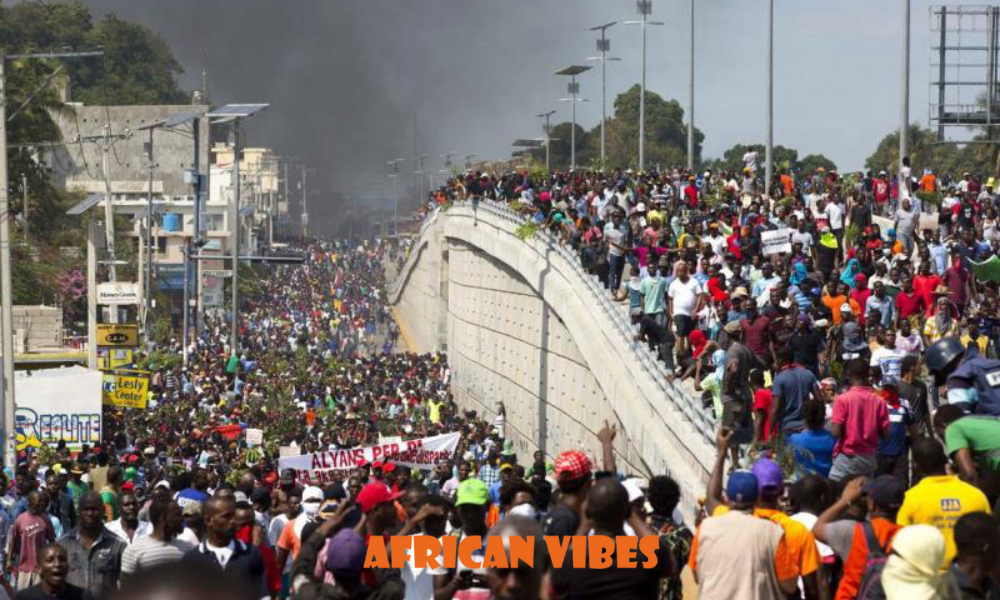
This April, Haiti’s streets were alive with protest, not celebration. Civil society groups, students, unionists, and political leaders united to demand France make amends. Led by the Haitian National Committee on Restitution and Reparations (HNCRR), these demonstrations have intensified calls for justice.
“France put a price tag on our freedom,” said former interim President Leslie Voltaire. “That debt wasn’t legal. It was colonial extortion.”
The momentum is not confined to Haiti. Across Africa and the Caribbean, voices are growing louder in solidarity. CARICOM, the African Union, and leading Pan-Africanist scholars have endorsed Haiti’s claim.
A Debt That Shaped a Nation’s Destiny
The debt Haiti paid wasn’t just in francs. It was in lost schools, roads, healthcare, and opportunity. Economic experts estimate the modern value of the debt—factoring in interest and opportunity cost—could be as high as $135 billion.
As Dr. Josué Merilien, a Haitian economic historian, explains: “We talk about underdevelopment in Africa and the diaspora. Haiti is the clearest example of what happens when a nation is punished for being free.”
Macron’s Acknowledgment: Progress or PR?
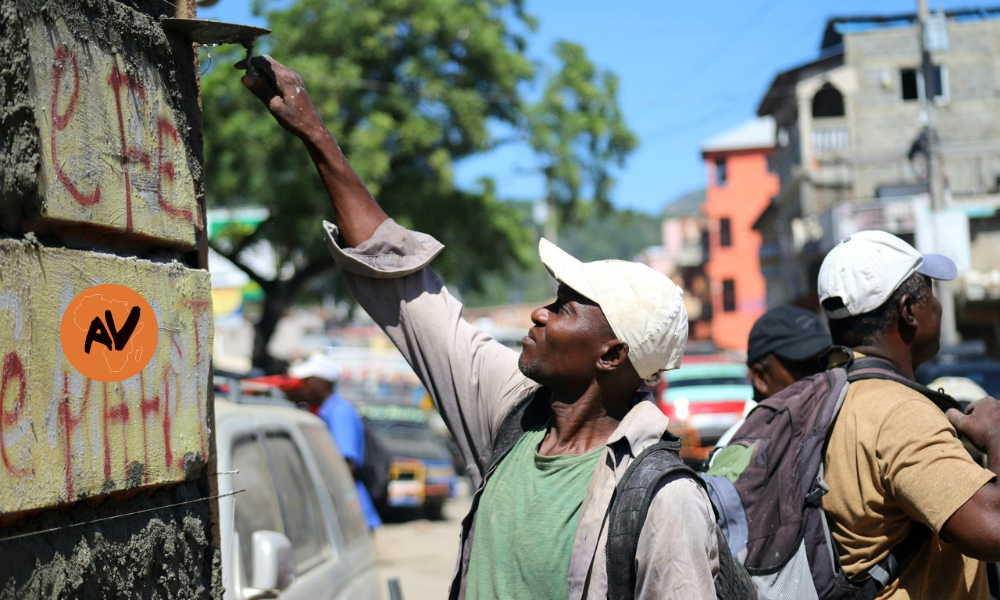
In a rare gesture, French President Emmanuel Macron acknowledged the injustice of the 1825 indemnity. He announced a joint Franco-Haitian commission to investigate the past and propose recommendations.
But critics say this isn’t enough.
“A commission is not restitution,” declared Haitian activist Carine Dorval. “France knows what it did. It must now do what’s right.”
ALSO READ: Trump’s White South African ‘Refugees’ Get Red Carpet Treatment At The Airport
Pan-African Implications: More Than Just Haiti
Haiti’s demands aren’t just about one country. They’re about legacy, power, and the unfinished business of decolonization. As Pan-African movements continue to call for reparations from European powers, Haiti’s struggle could set a precedent for others—from the Congo to the Caribbean.
For African Vibes readers, this is not just a Haitian story. It is a Diaspora story, a Pan-African story, and a call to collective memory and action.
Final Thoughts: Reparations Are Not Charity
What Haiti demands isn’t charity. It is justice. And as more African and Diaspora nations confront the ghosts of colonial extortion, the calls for restitution will only grow louder. Will France—and the broader world—finally listen?
Join the Conversation
Do you believe France should repay Haiti? How should other African and Caribbean nations address their colonial pasts? Share your thoughts on our African Vibes Instagram page, or tag us on Twitter/X @AfricanVibes with #HaitiIndependenceDebt #PanAfricanJustice.