



House Republicans have proposed a sweeping new tax bill that includes a controversial provision: a 5% excise tax on all money transfers sent abroad by non-citizens.
The bill, if passed, would apply to remittances sent via banks, mobile apps, or services like Western Union and WorldRemit. U.S. citizens are exempt and can claim a refundable credit, but for millions of African immigrants who regularly send money to family, the cost of supporting loved ones would rise significantly.
This provision is part of a broader GOP tax strategy that includes deep corporate tax cuts and new revenue streams aimed at non-citizens.
How Would the 5% Remittance Tax Work?
The proposed 5% excise tax would be applied at the point of transfer on all international remittances sent by non-citizens.
If you send $200 to your family in Africa, the new law would require you to pay $210—effectively giving 5% of your hard-earned support directly to the U.S. Treasury. For a person who sends $400 a month, that adds up to $240 in taxes over a year.
There are additional concerns that remittance providers may be required to collect citizenship information, raising privacy and discrimination issues, especially for undocumented workers and mixed-status families.

Why African Immigrants Could Be Hit the Hardest
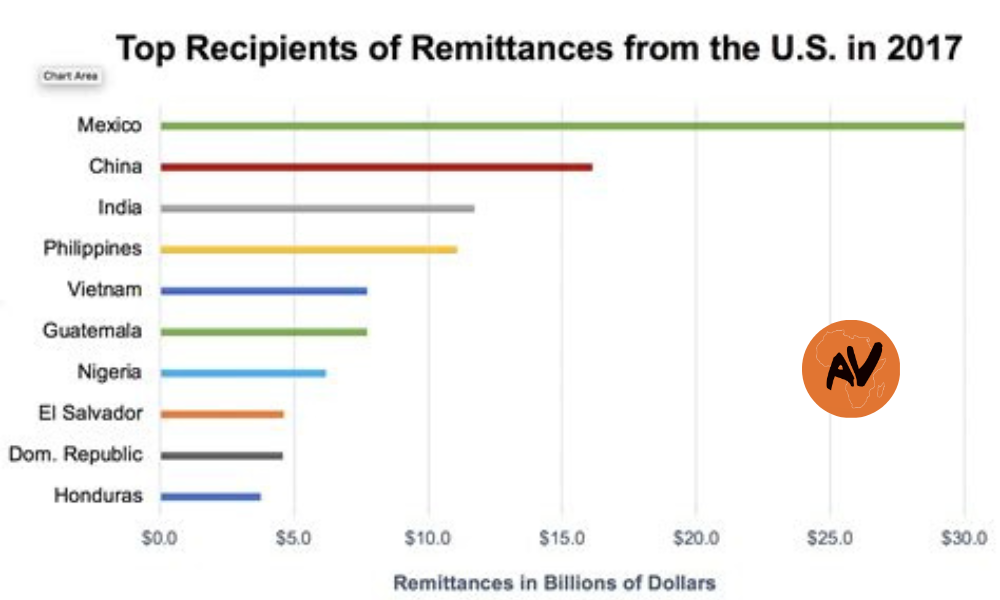
African immigrants in the U.S. are among the most frequent senders of remittances. In 2024, Nigerians alone sent more than $4.2 billion in remittances back home—funding school fees, health care, food, and small businesses across the continent.
In many African countries, diaspora money is more stable than foreign aid or investment. A 5% tax on these flows could have ripple effects far beyond the families directly affected.
“This tax punishes us for doing what African culture demands of us—taking care of our people,” said Samuel N., a Ghanaian nurse living in the Bronx.
ALSO READ: 5 Cheapest Ways To Send Money To Africa
Immigrants Already Pay Their Share — So Why Tax Again?
Critics argue this tax amounts to double or even triple taxation on immigrant workers.
Most African immigrants already pay income tax, Social Security, and sales tax in the U.S.—even those without permanent legal status. On top of that, remittance companies charge service fees and pay taxes to operate.
“This isn’t about fairness or fiscal responsibility. It’s about penalizing immigrants for being responsible to their families,” said Ifeoma A., a Nigerian mother of three in Maryland. “We pay taxes. We follow the rules. Now they want to tax our hearts, too?”
What Are African Communities Saying About the Tax?
Community backlash has been swift. Diaspora WhatsApp groups, Facebook forums, and TikTok creators are spreading awareness and organizing resistance.
Organizations like African Communities Together (ACT) and Black Alliance for Just Immigration (BAJI) are hosting webinars, writing policy briefs, and urging Africans in the U.S. to contact their representatives.
On social media, the hashtag #HandsOffRemittances is gaining traction, uniting African and Latino immigrant communities around a common cause.
The Politics Behind the Bill: Why Republicans Are Pushing It
Supporters of the bill say the tax will raise needed revenue and discourage undocumented immigration. But analysts see it as more of a political statement than a fiscally sound policy.
Remittance tax proposals have surfaced in past GOP-led efforts but were previously blocked. This iteration is part of a broader legislative push tied to border enforcement, tax cuts, and fiscal conservatism ahead of the 2026 midterms.
Economists warn it may backfire by pushing remittances into unregulated channels and increasing migration pressure, not reducing it.
Could the 5% Remittance Tax Become Law?
The bill has support in the House but faces opposition in the Democratic-controlled Senate. President Biden is unlikely to support any policy perceived to disproportionately harm immigrants, but the provision could still be used as a bargaining chip in broader budget negotiations.
Advocates stress that even if it doesn’t pass, the proposal sends a chilling message: that immigrants are seen more as revenue sources than as contributors to American society.
What Can African Immigrants Do Now?
Even as the bill moves through Congress, there are steps African immigrants and their allies can take:
1. Raise Your Voice
- Contact your representatives and urge them to vote against the remittance tax provision.
- Join advocacy efforts led by groups like ACT, BAJI, and the NAACP Legal Defense Fund.
2. Support Ethical Remittance Platforms
- Choose fintech services that advocate for financial inclusion and transparency.
- Be alert to changes in remittance company policies, especially around data collection or fees.
3. Rethink How You Support Loved Ones
- Consider investing in local, revenue-generating ventures in your home country, such as small businesses, family farms, or cooperatives.
- Instead of monthly transfers, building sustainable income streams for relatives can empower them longer term—and reduce the need for frequent taxed remittances.
This isn’t just resistance—it’s resilience.
Why This Tax Could Hurt More Than Just Wallets
The real cost of the proposed remittance tax isn’t just financial. It risks severing one of the most meaningful ties between African immigrants and their families back home.
A 5% cut on remittances may seem small to lawmakers in Washington, but to a family in Kano, Bamako, or Kigali, it could mean missing a hospital bill or closing a school account. The tax hits where it hurts most: at the intersection of love, responsibility, and sacrifice.
In trying to tax money sent out of the country, the U.S. government may end up taxing the very soul of immigrant contribution.