


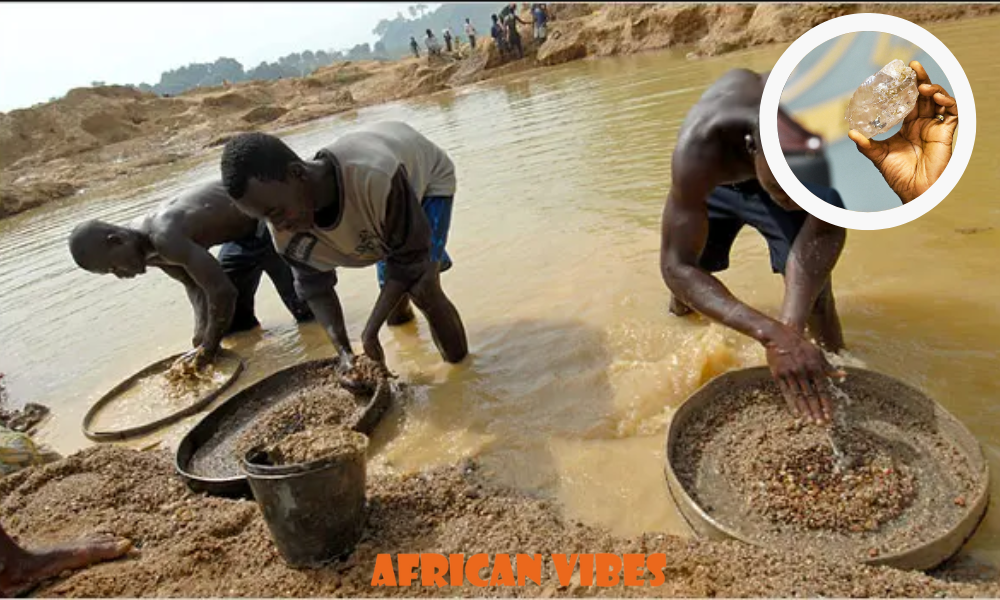
In 1966, Botswana was one of the poorest countries in the world. With little infrastructure and limited skilled labor, its future looked uncertain. Then came the discovery of diamonds. But unlike many other resource-rich countries, Botswana took a path less traveled: it chose to invest in its people. This article explores how Botswana strategically reinvested its diamond revenues into education, health, and human development—turning mineral wealth into intellectual capital.
Key Stats Snapshot
???? Fast Facts:
- Literacy rate rose from <30% in the 1960s to over 88% by 2023
- 35% of GDP from diamond sector (2022)
- First African country to offer free antiretroviral HIV treatment
- 50% government ownership in Debswana (joint venture with De Beers)
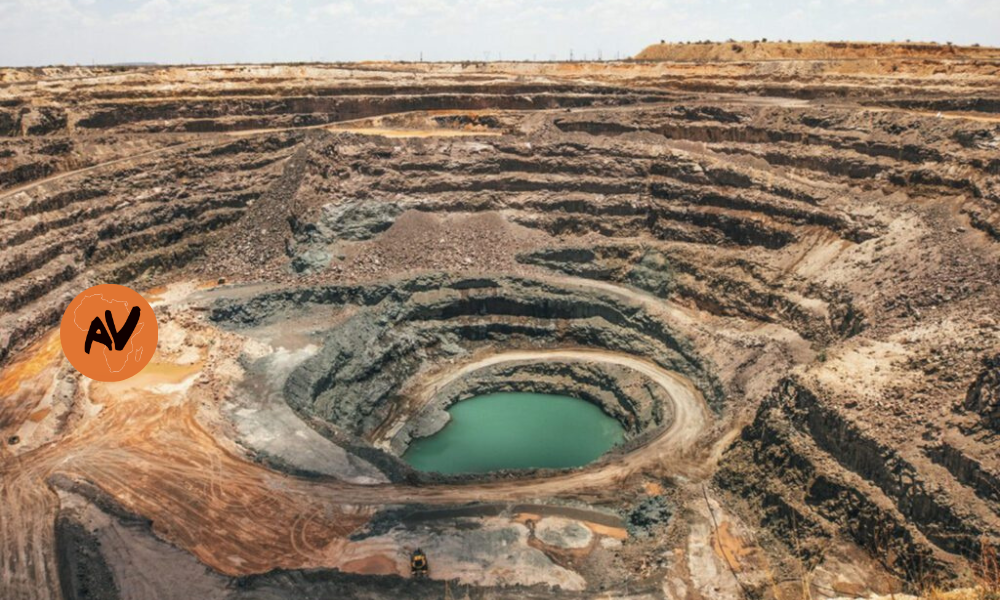
The Discovery of Diamonds and the Debswana Model
Diamonds were discovered in Botswana in 1967, just one year after independence. Recognizing the potential risks of resource dependency, Botswana’s leaders formed a 50/50 partnership with De Beers, creating Debswana. This ensured transparency, local control, and direct reinvestment of mining profits into national development.
Through National Development Plans (NDPs) and a commitment to good governance, the government implemented a disciplined approach to channeling revenues into strategic sectors.
This joint venture became the bedrock of Botswana’s diamond economy, enabling the country to retain a significant share of profits and direct funds into infrastructure, public services, and capacity building. Unlike other countries that succumbed to the “resource curse,” Botswana focused on institution-building and transparency.
Education: Investing in a Knowledge Economy
One of Botswana’s boldest moves was providing free primary and secondary education to all citizens. Investments also extended to tertiary education:
- Establishment of the University of Botswana and Botswana International University of Science & Technology (BIUST)
- Government-sponsored scholarships for international study in medicine, engineering, and economics
- Expansion of vocational and technical training to support a diversified economy
Botswana’s emphasis on education significantly reduced its dependency on foreign expertise. The surge in literacy rates and the growth of local professionals laid a strong foundation for a more skilled, competitive, and self-reliant workforce.
Health: Building a Strong, Healthy Workforce
Botswana used its diamond wealth to revolutionize its healthcare system:
- Construction and expansion of rural clinics and regional hospitals
- Launch of the MASA Program, Africa’s first free public antiretroviral treatment initiative
- Significant reduction in HIV/AIDS-related mortality and mother-to-child transmission rates
As a result, the country’s life expectancy, which had dropped due to the HIV epidemic, rebounded due to sustained health interventions. Botswana’s bold health investments not only saved lives but also ensured a productive, economically active population.
ALSO READ: Burkina Faso Launches State Of The Art Tomato Processing Plant
Economic and Social Transformation
The long-term reinvestment strategy yielded impressive outcomes:
- Rise in the Human Capital Index, reflecting improvements in health, education, and workforce readiness
- Empowerment of women through equal access to education, healthcare, and economic opportunities
- Growth of a stable middle class, contributing to consumer markets and democratic stability
Unlike many resource-rich nations, Botswana avoided the pitfalls of short-term populist spending. Its deliberate and evidence-based policies transformed resource income into a long-lasting engine of equitable growth.
Comparative Insight: Botswana vs. Sierra Leone
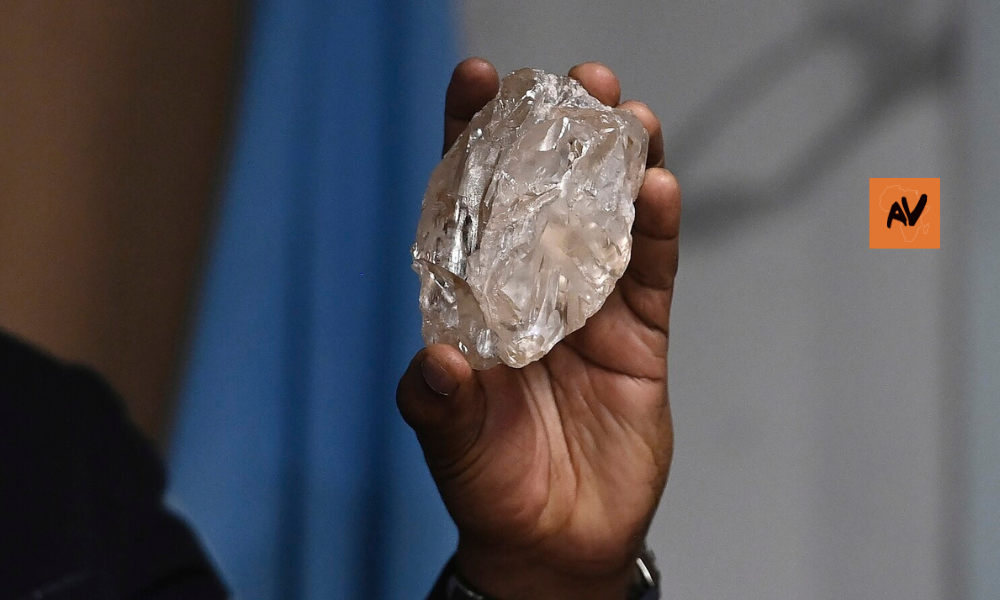
While Botswana turned diamonds into schools and hospitals, countries like Sierra Leone and the Democratic Republic of Congo experienced civil conflict, poor governance, and entrenched poverty despite similar natural endowments.
This stark contrast underscores a powerful lesson: natural resources can either fuel development or destruction. Botswana’s example demonstrates that with strong institutions, rule of law, and visionary leadership, diamonds can build nations rather than break them.
Challenges and Future Directions
Botswana still faces challenges:
- Rural education quality gaps, especially in underserved regions
- Youth unemployment and growing risk of brain drain
- Need for a more diversified economy less reliant on finite resources
To address these, Botswana is actively investing in:
- Digital skills development and STEM education
- Sustainable tourism, green energy, and creative industries
- Public-private partnerships in tech and innovation
The government also aims to scale up entrepreneurship and access to finance to create more opportunities for its educated youth.
Conclusion
Botswana’s transformation is a powerful reminder that natural resources are only as valuable as the people who manage them. By investing diamond revenues into human capital, Botswana didn’t just mine minerals—it mined the potential of its people.
Today, it stands as a beacon of what is possible when nations put people before profits, and vision before politics. As other resource-rich countries search for sustainable development models, Botswana’s journey from mineral dependency to empowered citizenry offers a compelling roadmap.
Frequently Asked Questions (FAQs)
Q: How did Botswana avoid the resource curse?
A: Botswana avoided the resource curse by establishing transparent governance structures, creating a 50/50 public-private partnership with De Beers (Debswana), and prioritizing reinvestment of diamond revenues into education, healthcare, and infrastructure rather than short-term political gains.
Q: What is Debswana, and why is it important?
A: Debswana is a 50/50 joint venture between the Botswana government and De Beers. It plays a crucial role in ensuring that diamond profits are equitably shared and strategically reinvested into Botswana’s national development.
Q: Which sectors benefited most from diamond revenues in Botswana?
A: The education and healthcare sectors have seen the most significant investment, along with infrastructure development and institutional capacity building.
Q: What makes Botswana’s diamond strategy different from other African countries?
A: Unlike many diamond-rich nations, Botswana emphasized long-term planning, national ownership of resources, and human capital development, all underpinned by democratic governance and low corruption levels.
Q: What is Botswana doing to prepare for a post-diamond future?
A: Botswana is investing in economic diversification by promoting innovation, digital skills, sustainable tourism, and renewable energy, aiming to build a resilient knowledge-based economy.