



Niger, a country rich in mineral resources yet long dependent on exporting raw materials, is undergoing a transformative economic shift. In April 2025, the Nigerien government signed a landmark joint venture agreement with Dubai-based Suvarna Royal Gold Trading LLC to launch the nation’s first gold refinery and gemstone processing units. More than an infrastructure project, this initiative represents a new chapter in economic sovereignty—a determined move to reclaim control over national resources and capture greater value within its borders.
Niger Mining Industry: From Raw Exports to Refinement
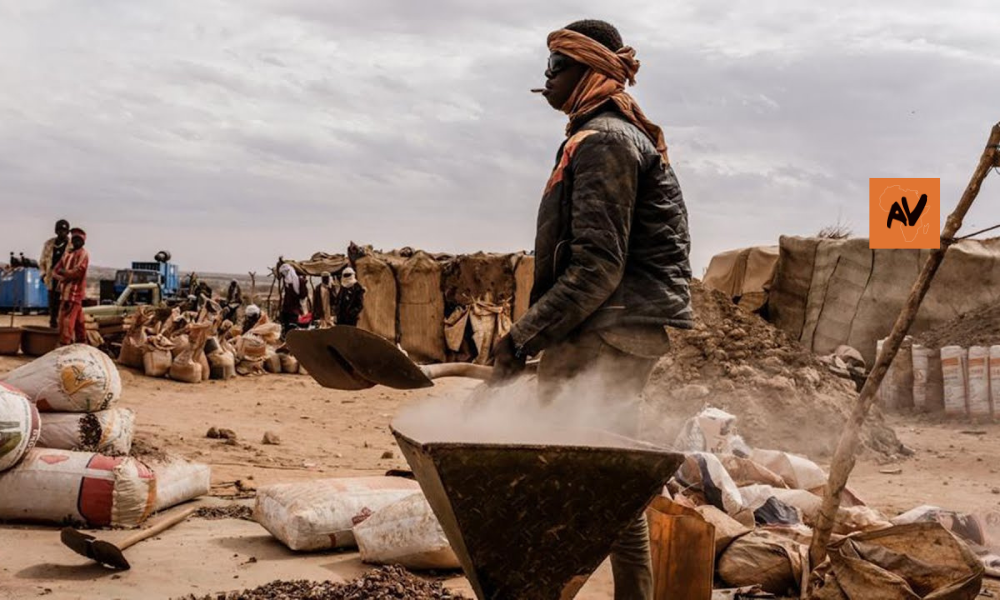
For decades, Niger has exported vast quantities of raw gold and gemstones, missing the opportunity to add value locally. The country’s mining sector—while lucrative—has historically operated as an extraction-based economy, with limited downstream processing and minimal job creation. This traditional model has restricted long-term development and reinforced economic dependency on foreign buyers and refineries.
The shift toward local value chain development is not just a modernization strategy; it is a national necessity. By refining and processing its gold domestically, Niger stands to multiply the economic benefits of its mineral wealth.
Inside Niger’s First Gold Refinery Project
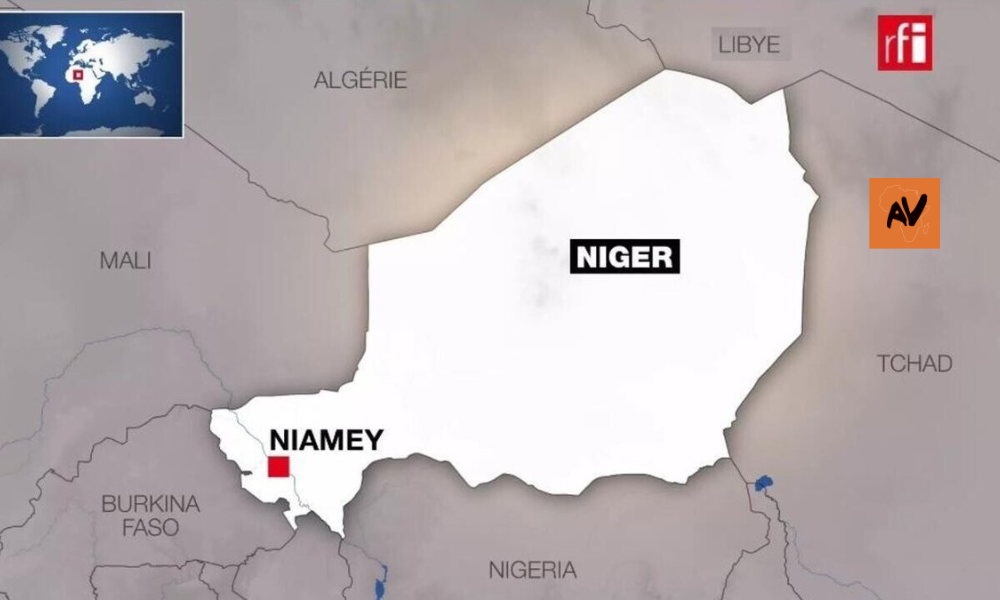
The flagship project, known as Royal Gold Niger SA, is a joint venture between Niger’s government and Suvarna Royal Gold Trading LLC. The complex, under construction in Niamey, will include:
- A state-of-the-art gold refinery
- A jewelry manufacturing unit
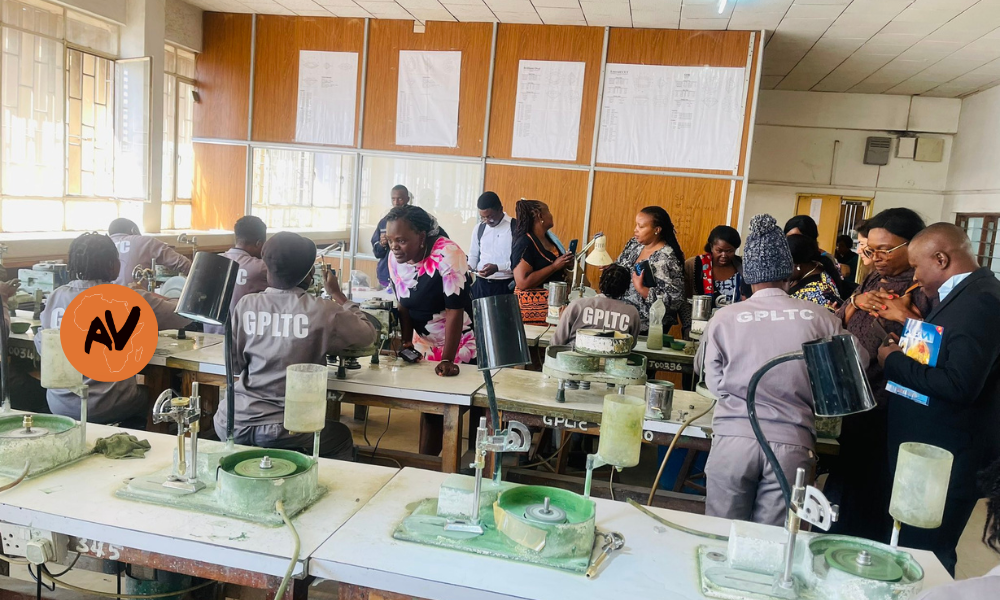
- A gemstone cutting and polishing center
Leading the private side of the partnership is Kamlesh Pattni, a Kenyan businessman with a controversial past, notably his central role in the Goldenberg scandal in Kenya during the 1990s. Despite this, the Nigerien government has emphasized the strategic value of the deal and its alignment with national development goals.
The refinery is expected to process up to one ton of gold per month, reducing the need to ship raw materials to foreign refineries and allowing Niger to participate in the more lucrative stages of the gold supply chain.
How Gold Refining Boosts Niger’s Economic Sovereignty
At the heart of this initiative is the idea of economic sovereignty—the ability of a nation to control and benefit from its own resources.
Key benefits include:
- Value Retention: Locally refined gold commands higher export prices and enables the growth of related industries like jewelry and bullion trade.
- Job Creation: The project is expected to generate hundreds of direct and indirect jobs, particularly in skilled labor and artisanal processing.
- Industrial Capacity Building: The refinery opens pathways for vocational training, private sector growth, and small-scale entrepreneurship linked to gold and gemstone crafts.
ALSO READ: Nigeria Lands $1.1B Loan for Operation Light Up Nigeria
The CNSP’s Economic Vision: From Gold to Growth
This project is closely aligned with the economic policy vision of the National Council for the Safeguarding of the Homeland (CNSP), Niger’s post-coup governing body. Mines Minister Commissioner-Colonel Abarchi Ousmane has framed the refinery as a foundational step toward economic resilience and national dignity.
He stated that processing mineral resources within the country is no longer optional—it is a strategic imperative for achieving self-reliance and transforming Niger into a “sovereign economic actor on the global stage.”
Regional Implications: Shifting Alliances and Gulf Partnerships
Niger’s alignment with Suvarna Royal Gold Trading LLC reflects a broader geopolitical realignment. In distancing itself from traditional Western partners, Niger has been deepening ties with Gulf countries and BRICS-aligned economies. These new partnerships are reshaping how African nations negotiate infrastructure development, resource management, and industrial policy.
By partnering with a Dubai-based firm, Niger signals openness to capital from the Middle East, while asserting greater agency in the terms of engagement. This diversification could help buffer against aid dependency and increase bargaining power in international markets.
Challenges Ahead: Infrastructure, Trust, and Transparency
Despite its potential, the project faces key challenges:
- Infrastructure limitations—including electricity, roads, and water—could delay implementation.
- The involvement of Kamlesh Pattni, who remains under U.S. and U.K. sanctions, has raised concerns among civil society groups.
- Ensuring regulatory oversight and environmental safeguards will be critical to sustaining public trust and long-term success.
The government will need to be proactive in addressing transparency concerns, building institutional capacity, and engaging local communities in the development process.
Conclusion: Refining More Than Gold
Niger is not just building a refinery—it is refining a new national identity rooted in dignity, self-determination, and economic power. The gold refinery project marks a critical turning point in the country’s evolution from an extractive economy to a value-driven one. If successful, it could become a model for other African nations seeking to turn their natural wealth into sustainable prosperity.
???? Frequently Asked Questions (FAQ)
1. What is Niger’s first gold refinery?
Niger’s first gold refinery is a joint venture facility in Niamey that will process gold locally, alongside jewelry manufacturing and gemstone cutting.
2. Who is behind the gold refinery project in Niger?
The project is led by Royal Gold Niger SA, a partnership between the Nigerien government and Dubai-based Suvarna Royal Gold Trading LLC, managed by Kamlesh Pattni.
3. How will the refinery benefit Niger’s economy?
It will boost value addition, create jobs, raise export revenues, and advance Niger’s goal of economic sovereignty.
4. Why is the partnership with Suvarna Royal Gold significant?
It reflects Niger’s strategic move toward new global alliances, particularly with Gulf-based investors, and a shift from traditional Western aid models.
5. What challenges might the gold refinery project face?
Key concerns include infrastructure limitations, transparency, regulatory oversight, and the reputational risk tied to the project’s private partner.