


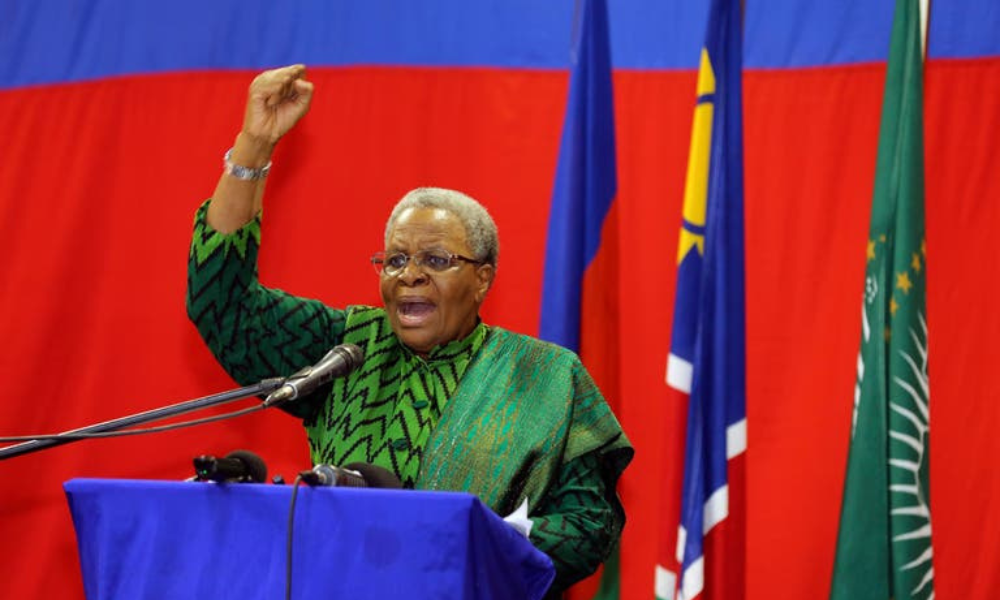
In a landmark move set to transform the future of its youth, Namibia has announced that university and vocational education at public institutions will be free from 2026. President Netumbo Nandi-Ndaitwah, Namibia’s first female president, unveiled this visionary policy during her maiden State of the Nation address in April 2025. The initiative, already hailed as historic, promises to remove one of the most persistent barriers to higher education — cost — and marks a powerful stride toward national development.
What Does the Policy Cover?
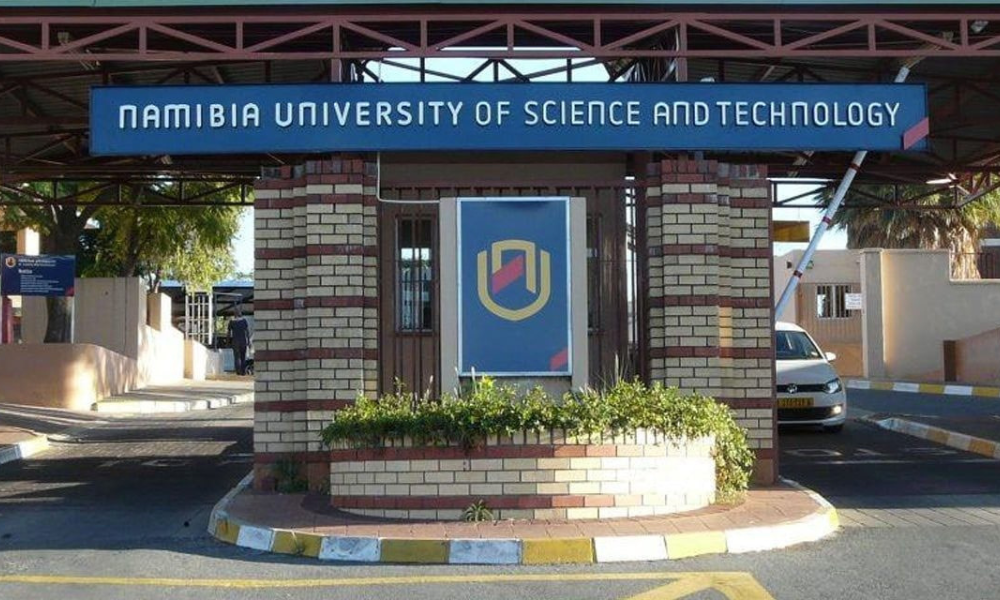
Starting in the 2026 academic year, all tuition and registration fees at Namibia’s public universities and government-run vocational training centers will be fully subsidized by the government. Institutions like the University of Namibia (UNAM) and the Namibia University of Science and Technology (NUST) are among those included. However, students will still be responsible for covering their own accommodation, personal supplies, and other non-tuition-related expenses.
The rollout will be phased, ensuring that systems are in place for a smooth transition. Importantly, President Nandi-Ndaitwah emphasized that there would be no significant influx of new funding; the initiative will rely heavily on existing government subsidies and the student financial assistance framework.
How Free Tertiary Education Could Transform Namibia’s Youth
Namibia’s demographics paint a striking picture: nearly 70% of its 3 million citizens are under the age of 35. For this youthful population, access to higher education is not just a dream — it is a necessity for economic mobility, innovation, and national growth.
By removing financial barriers, the government hopes to tackle youth unemployment, stimulate entrepreneurship, and bridge historical inequalities. Free tertiary education could open doors for thousands who previously saw university fees as an insurmountable barrier.
This reform also aligns with broader continental goals to build a knowledge-driven economy in Africa.
Why Now? The Vision Behind the Decision
Namibia faces a pressing challenge: a large and growing youth population, with over 2.1 million under the age of 35 in a country of just 3 million. The new education policy is a strategic move aimed at:
- Eliminating financial barriers that prevent talented young Namibians from accessing higher education.
- Combatting youth unemployment and poverty by equipping young people with skills in emerging sectors like green hydrogen, oil, and gas.
- Driving national development and economic inclusion, ensuring that all citizens can participate meaningfully in Namibia’s growth story.
This vision is ambitious, but the government believes that unlocking the potential of its youth is the key to a stronger, more equitable future.
ALSO READ: Namibia Ends Visa-Free Travel for Non-Reciprocating Countries
How Will It Be Funded?
A critical question surrounding the initiative is its sustainability. The government plans to fund free education through existing budgets, particularly by reallocating and maximizing resources already directed toward public universities and the Namibia Student Financial Assistance Fund (NSFAF).
Additionally, the NSFAF will be reintegrated into the Ministry of Education to streamline operations and reduce overhead costs. Students will continue to access loans of approximately N$10,000 annually for non-tuition needs like accommodation and supplies.
Alongside the tuition reforms, the government is investing nearly N$8 billion over the next seven years to upgrade education infrastructure, improve digital access, and modernize vocational curricula to align with industry demands.
A Mixed Reception: Celebration and Skepticism
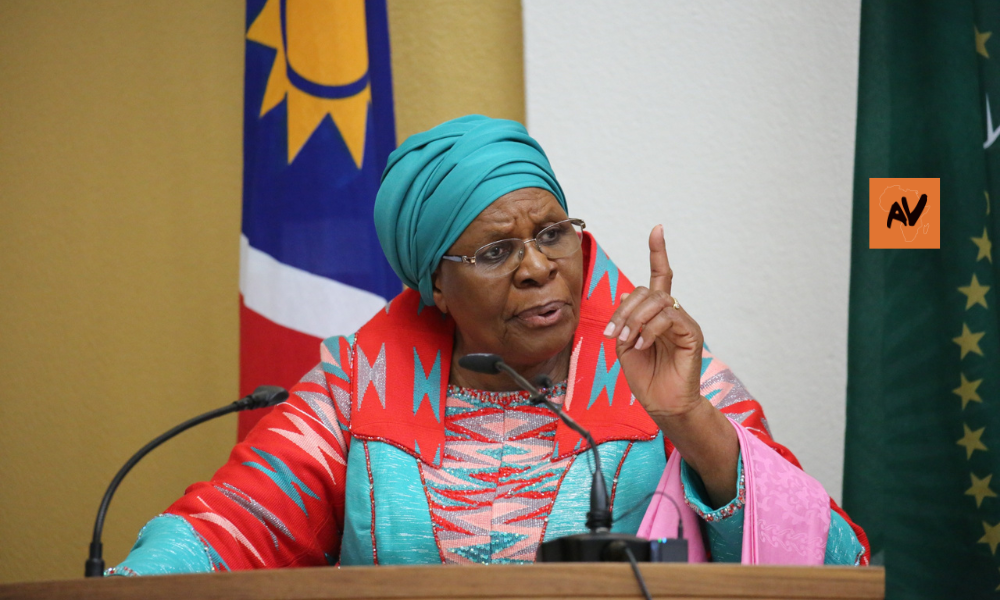
The announcement has sparked a wave of enthusiasm among students, parents, and education advocates. Many see it as a long-overdue move to democratize access to higher education and break cycles of poverty.
However, some observers and student groups have raised concerns. Will the policy only apply to undergraduates, or will postgraduates be included? What happens if the demand for free education outstrips the funding available? Could enrollment caps be introduced, and might the policy eventually be limited to low-income students only, mirroring trends seen in South Africa?
These questions highlight the importance of clear communication and adaptive management as the policy is implemented.
ALSO READ: Gazprom’s Uncovers 50 Billion Barrels of Oil in Burkina Faso
Namibia’s Moment of Opportunity
Free education is more than a policy — it’s a statement of intent. Namibia is betting on its young people, believing that when given the chance, they will drive the country’s economic diversification and development.
While challenges undoubtedly lie ahead — from managing costs to ensuring quality education for all — the decision to invest in the future of Namibian youth stands as a beacon of hope. It sends a powerful message: higher education should be a right, not a privilege.
If successful, Namibia’s model could inspire similar initiatives across the continent, showing that bold leadership, strategic investment, and belief in youth can chart a new course for nations ready to seize the future.
Sources: