


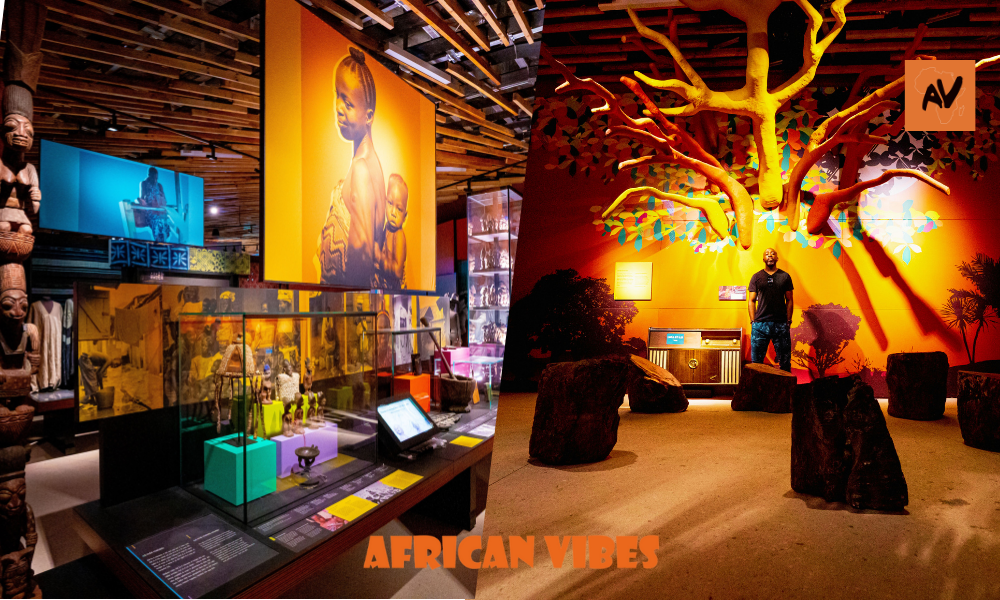
A Lagos teenager slips on a VR headset and suddenly stands inside an ancient Nok village. Clay figures tower around her, blacksmiths hammer iron tools, elders narrate stories—in Yoruba and Pidgin—without subtitles, permissions, or European curators mediating the moment.
This is not a Western museum exhibit on Africa. This is Africa narrating itself.
In Lagos, a new generation of museums is rewriting the rules of cultural power. They are not merely “decolonizing” artifacts—they are weaponizing technology to seize narrative control, blending Nollywood-scale storytelling with artificial intelligence, immersive reality, and Web3 innovation.
The impact stretches far beyond Nigeria. From Nairobi to Accra, similar cultural-tech hubs are emerging—fueling what analysts estimate could become a $100 billion+ African creative economy, driven by youth, diaspora capital, and digital ownership.
The Eurocentric Trap—and Lagos’ Breakout Moment
For centuries, African history has been filtered through European institutions. The British Museum’s possession of the looted Benin Bronzes remains the most visible symbol of this imbalance—where Africa’s heritage sits behind glass cases thousands of miles from its origin.
This system doesn’t just steal objects; it centers Europe as the narrator of African civilization.
Lagos museums are breaking that model.
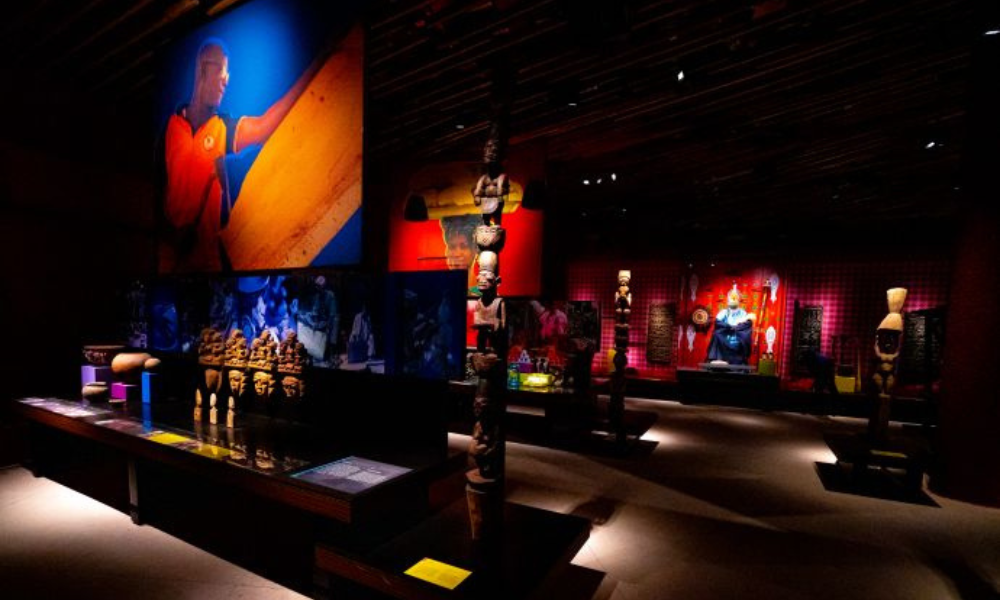
Instead of static plaques written in academic English, visitors encounter:
- AI-powered storytellers speaking Yoruba, Igbo, Hausa, and Nigerian Pidgin
- Community-sourced digital archives, where families upload oral histories, photos, and artifacts
- Interactive timelines that let visitors question, remix, and contribute to history in real time
The result? Engagement Western museums struggle to achieve.
According to internal visitor surveys shared by Lagos-based curators, over 70% of visitors are under 35, a demographic Western museums have consistently failed to attract. While foot traffic in many European institutions stagnates, Lagos museums are becoming social, educational, and digital hubs for Gen Z Africans.
ALSO READ: 20 Best African Art Galleries For Tribal Art
Tech as the New Masquerade
In traditional African societies, masquerades were more than performance—they were technology, governance, and storytelling rolled into one. Today, Lagos is building a digital equivalent.
Immersive Tools Rewriting History
- Augmented Reality (AR) maps retrace transatlantic slave routes, allowing users to experience history from African departure points—not European arrival ports.
- Virtual Reality (VR) recreates destroyed or inaccessible heritage sites.
- NFT-backed digital artifacts allow diaspora Africans to legally own and support cultural preservation.
Unlike Western museums that offer “free access” while monetizing prestige and tourism, Lagos museums are building transparent creative economies.
One Lagos-based cultural startup reported six-figure NFT sales in their first year, with proceeds shared among artists, historians, and community contributors.
“This isn’t about copying Europe,” says a 26-year-old Lagos curator experimenting with Afro-futurist fashion installations.
“It’s about designing a future where African history pays Africans.”
Ripple Effects Across Africa—and the Diaspora
What’s happening in Lagos is contagious.
- Ethiopia is piloting VR reconstructions of its rock-hewn churches for global audiences
- Senegal is developing griot storytelling apps that preserve oral histories in Wolof and Pulaar
- Kenya is integrating gaming engines into heritage education for schools
The African diaspora plays a critical role. Africans in the U.S. and U.K. are purchasing digital stakes in exhibitions, funding preservation projects, and reconnecting to heritage beyond DNA tests.
These platforms also boost digital remittances, transforming cultural pride into economic circulation.
Challenges remain—funding gaps, unreliable internet, and digital exclusion—but Lagos museums are adapting through mobile-first designs optimized for low-data users, ensuring access doesn’t become another colonial barrier.
ALSO READ: Germany’s “The True Size of Africa” Exhibition Challenges Perspectives Through Art
The Future Stakes—Africa’s Cultural GDP Play
If scaled strategically, Lagos’ model could rival institutions like the Louvre—not in artifact hoarding, but in cultural influence.
With metaverse expansions, African museums can reach global audiences without exporting a single artifact. More importantly, they position culture as infrastructure, not nostalgia.
Policy support is critical. The African Continental Free Trade Area (AfCFTA) already includes creative economy provisions—yet few governments treat culture as an economic pillar.
The opportunity is clear:
Invest in museums not as memorials, but as export engines for African soft power.
Conclusion: A Lagos Lesson for the World
Lagos museums signal a historic shift—from passive display to participatory power, from borrowed narratives to self-authored futures.
Where Eurocentric institutions collect artifacts, Lagos collects agency. Where others curate the past, Africa codes its destiny. From looted legacies to logged-in liberation.