


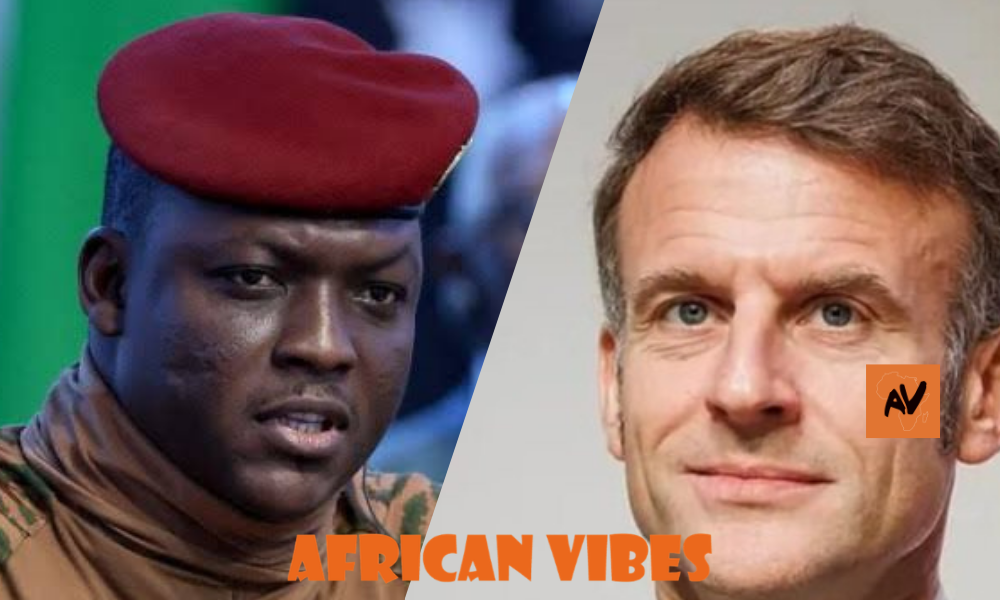
Burkina Faso has formally severed diplomatic relations with France, marking the most significant break yet in a relationship that has steadily deteriorated since the country’s military takeover in 2022.
The announcement, broadcast on state television on Friday, said the government had decided to end diplomatic ties with immediate effect following a review of relations between the two countries.
Officials accused France of pursuing “neo-colonial ambitions” and supporting activities that undermine Burkina Faso’s sovereignty and security in the Sahel. Paris had not immediately responded publicly to the allegations at the time of writing.
The move comes as several military-led governments across West Africa continue to distance themselves from France, ending decades of political, military and diplomatic cooperation that began during the colonial era.
Why Burkina Faso says it ended relations with France
In a statement read on national television, Burkina Faso’s government said the foundations necessary for maintaining diplomatic relations no longer existed.
Communications Minister Gilbert Ouedraogo said relations based on mutual respect, trust, non-interference and respect for national sovereignty had broken down.
Authorities also accused France of backing “subversive networks and terrorists” operating in Burkina Faso and the wider Sahel region—claims France has consistently denied in previous disputes involving the region.
Despite the diplomatic rupture, the government stressed that the decision applies only to relations between the two states.
It said cultural, historical and people-to-people ties between Burkinabè and French citizens would continue, while French nationals living in Burkina Faso would remain protected under national law.
The government also reiterated that it remains open to cooperation with any country based on sovereign equality and mutual respect.
How relations collapsed: A timeline
The decision follows nearly four years of steadily worsening relations.
September 2022
Captain Ibrahim Traoré seized power during Burkina Faso’s second coup of the year, promising to strengthen national security while reducing dependence on France.
January 2023
Burkina Faso terminated its military cooperation agreement with France, ordering approximately 400 French special forces to leave the country.
February 2023
French troops completed their withdrawal, ending decades of military presence in Burkina Faso.
July 2024
Burkina Faso joined Mali and Niger in forming the Alliance of Sahel States (AES), creating a new regional bloc after all three countries announced their departure from ECOWAS.
March 2025
Burkina Faso withdrew from the Organisation internationale de la Francophonie (OIF), joining Mali and Niger in arguing that the organisation no longer respected state sovereignty.
June 2026
The government formally announced the severing of diplomatic relations with France.
Part of a wider regional shift
Burkina Faso’s decision is the latest sign of a broader geopolitical realignment across West Africa.
Since 2022, several countries have reduced or ended long-standing military partnerships with France.
Mali expelled French troops after ending military cooperation with Paris, while Niger followed a similar path after the 2023 military coup, later taking control of French-linked uranium assets.
Chad and Senegal have also announced the end of defence agreements with France, although through diplomatic negotiations rather than military takeovers.
Côte d’Ivoire has overseen a gradual reduction in France’s military presence, reflecting changing priorities even among governments that maintain close ties with Paris.
Taken together, these developments represent one of the most significant transformations in France’s relationship with its former West African colonies since independence.
France’s influence is changing
For decades, France maintained one of its largest overseas military networks across West Africa through defence agreements and counterterrorism operations.
However, growing public frustration over insecurity, combined with rising nationalist sentiment and repeated military coups, has accelerated demands for greater political independence from Paris.
At the same time, Russia has expanded its security partnerships in the Sahel, while China continues increasing its economic footprint through infrastructure investment and trade.
Many analysts view the region as entering a new phase of geopolitical competition, with African governments seeking to diversify their international partnerships rather than relying on a single foreign power.
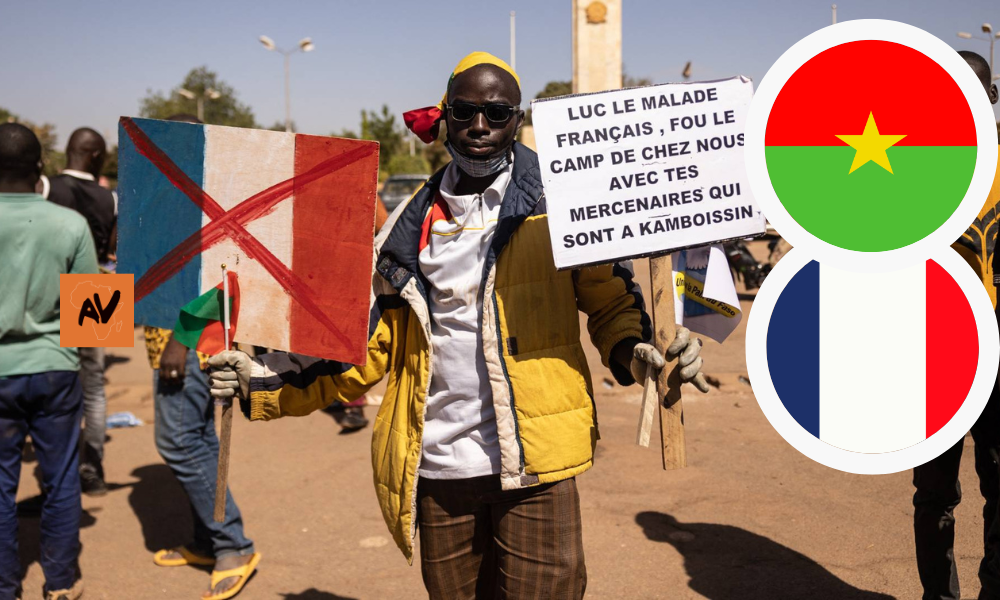
What happens after diplomatic relations are severed?
Breaking diplomatic relations is among the strongest measures one state can take against another without entering armed conflict.
The decision typically results in:
- Closure of embassies.
- Withdrawal of ambassadors and diplomatic staff.
- Suspension of formal government-to-government diplomatic engagement.
However, it does not automatically end trade, private business activity, humanitarian cooperation or travel between citizens.
Burkina Faso’s government specifically stated that French nationals would continue to receive legal protection and urged citizens to treat foreign residents responsibly.
What comes next?
Several questions now remain.
Observers will be watching whether Mali or Niger take similar steps against France, given the close coordination between the three Alliance of Sahel States members.
Attention will also focus on France’s official response and whether diplomatic channels remain open through third-party countries or international organisations.
The future of French businesses and nationals operating in Burkina Faso will also be closely monitored as the diplomatic separation takes effect.
More broadly, the decision raises questions about how West Africa’s relationships with former colonial powers will evolve as governments pursue new political and security partnerships.
The bottom line
Burkina Faso’s decision to sever diplomatic ties with France marks the culmination of years of deteriorating relations driven by disagreements over security, sovereignty and foreign influence.
While the move is unprecedented in its scope, it reflects a wider trend reshaping the geopolitical landscape of the Sahel, where several governments have sought to reduce France’s military and diplomatic role while strengthening relationships with new international partners.
Whether Burkina Faso’s decision becomes the model for other countries in the region—or remains an exceptional case—will shape the future of France’s engagement in West Africa for years to come.