



African Diaspora facing serious illness or the death of a loved one can be an incredibly isolating and financially devastating experience. Far from traditional family and community support networks, these individuals often rely on the strength and solidarity of their fellow diaspora members.
Non-profit African diaspora organizations, deeply rooted in cultural values of communal responsibility and mutual aid, step in to provide critical assistance, ensuring that no one faces these profound challenges alone. This article highlights various ways non-profit African diaspora communities offer support and mentions types of organizations and initiatives that exemplify this vital work across different countries.
The Foundation of Support: Mutual Aid and Communal Responsibility
At the heart of African diaspora support systems lies the principle of mutual aid (often known as ‘susu’, ‘esusu’, ‘stokvel’, ‘tontine’ in various contexts) and a profound sense of communal responsibility. These traditional systems, adapted to the diaspora context, are often formalized into non-profit organizations or informal community groups that pool resources and provide comprehensive assistance.
When a member of the community falls ill or passes away, these groups often mobilize to provide:
- Financial Assistance: Covering medical bills, cost of living during illness, or, most critically, the often-prohibitive expenses of repatriating remains to their home country for burial. This is frequently facilitated through collective contributions, emergency funds, or welfare schemes.
- Logistical Support: Navigating complex foreign healthcare systems, legal processes for death certificates, and the intricate, often bureaucratic, procedures for international repatriation of remains. Community leaders or dedicated volunteers often act as liaisons with embassies, funeral homes, and airlines.
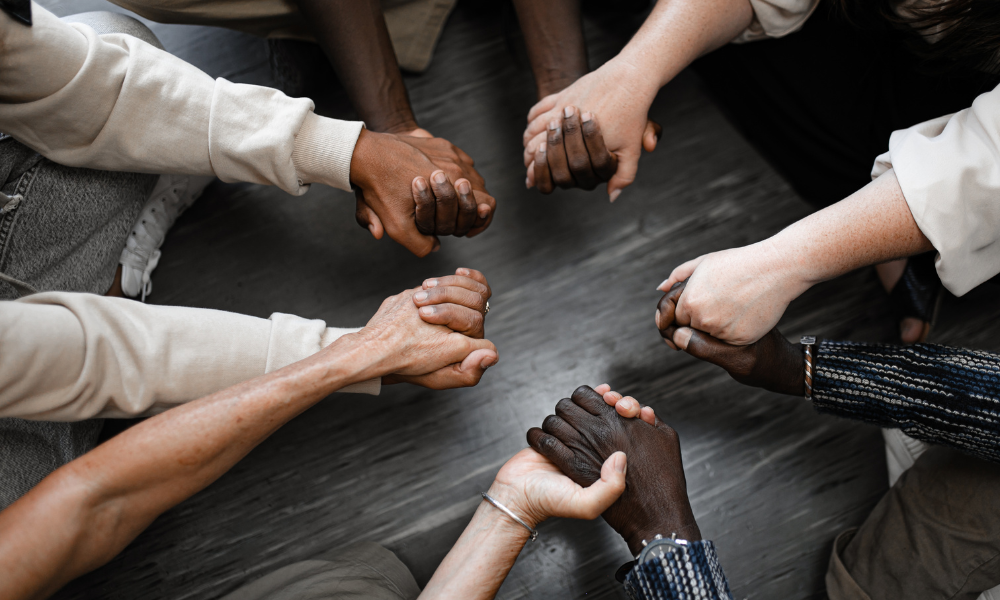
- Emotional and Social Comfort: Offering a vital sense of belonging, preventing isolation, and providing comfort through shared cultural practices, religious rituals, and traditional mourning processes. This can include home visits, organizing prayer gatherings, or supporting families through culturally appropriate funeral rites.
- Information and Advocacy: Acting as knowledge hubs for community members, sharing information about available local resources, healthcare access, and legal rights. They may also advocate on behalf of their members with local authorities or diplomatic missions.
- Cultural Preservation: Ensuring that illness and death are managed in ways that honor ancestral traditions and cultural norms, providing dignity and solace to the bereaved.
ALSO READ: How African Immigrants Are Thriving Against the Odds
Key Types of Non-Profit African Diaspora Organizations and Their Reach
While it’s impossible to list every single grassroots group, certain types of non-profit organizations consistently provide these crucial services across the African diaspora:
1. Burial Societies and Benevolent Associations
These are arguably the most common and vital forms of non-profit support within African diaspora communities. They are community-led and member-funded. The countries of Operation is widely prevalent across the UK, USA, Canada, Germany, France, Belgium, Netherlands, South Africa, and other countries with significant African immigrant populations.
- Examples of Support:
- Ghanaian, Nigerian, Zimbabwean, Eritrean, Somali, Ethiopian, Sierra Leonean, and other national/ethnic associations: These groups typically require members to pay regular dues. In the event of illness or death, the pooled funds are used to provide financial aid for medical expenses, living costs during convalescence, and most commonly, for funeral arrangements, including the significant expense of transporting remains back to the country of origin. This ensures a dignified send-off and respects cultural wishes for burial in the homeland. These are direct mutual aid networks.
- Specific examples (illustrative, names vary greatly by location and ethnicity): “Zimbabwean Community Association UK,” “Nigerian Union,” “Ghanaian Burial Benevolent Society,” “Eritrean Community .” These are numerous and localized.
2. Professional Associations of African Healthcare Professionals
While often focused on professional development, many of these non-profit associations extend their reach to community welfare. The countries of Operation is Primarily USA, UK, Canada, and various European countries.
- Examples of Non-Profit Support:
- National Medical Association (NMA) (USA): While representing African American physicians broadly, the NMA (a 501(c)(3) non-profit) has historically championed health equity for African Americans and medically underserved populations. Its focus on community health education and advocacy can indirectly support African diaspora members navigating the US healthcare system during illness.
- African Healthcare Professional Associations (e.g., Nigerian Medical Association UK, Ghanaian Doctors and Dentists Association UK): These non-profit organizations often facilitate connections between diaspora members needing medical advice or support and healthcare professionals who understand their cultural context. They may organize health education campaigns within their communities and, in some cases, provide informal or direct assistance in navigating complex medical situations.
- African Diaspora Health Initiative (AfDHI): While focused on mobilizing diaspora healthcare professionals to support health systems in 15 African countries, their broader mission to strengthen African healthcare indirectly benefits diaspora members who may return home for care or have family there.
ALSO READ:5 Ideas for Online Investing in Africa
3. General African Community and Cultural Organizations
These broad-based non-profits serve as central hubs for various community needs, including crisis support. The countries of Operation is Global, wherever African communities have a significant presence.
- Examples of Non-Profit Support:
- The Ubele Initiative (UK): This African diaspora-led non-profit organization works to empower Black and Minoritised communities. Critically, during the COVID-19 pandemic, they raised funds for the “Majonzi Fund” to provide bereavement and grief support to members of Black and Minoritised communities affected by loss, highlighting their direct involvement in crisis response related to death.
- African Canadian Cultural Council Foundation (A3CF / ACCCF) (Canada): This NGO aims to facilitate integration support services and empower Africans in Canada. While broad, their mission to support newcomers often extends to assisting with crises, including health-related challenges and navigating Canadian systems during times of bereavement.
- Local African Community Centers/Associations (e.g., in major cities across Europe, North America, Australia): These centers, often operating as registered non-profits, serve as critical gathering points and resource hubs. They frequently have welfare committees or designated individuals who coordinate support for members facing illness, hospitalization, or death, including fundraising, visits, and logistical help with funeral arrangements.

4. Pan-African and Regional Diaspora Networks
These organizations aim to connect and support African communities across national lines. The countries of Operation is International, with varying levels of presence and activities in different host countries.
- Examples of Non-Profit Support:
- The African Diaspora Alliance (ADA) (USA, with transnational activities): While focused on connecting and healing, ADA’s emphasis on unity and solidarity among descendants of Africa fosters supportive networks that can be activated during times of crisis. Their work to “demystify the diaspora” promotes understanding and collective responsibility.
- Continental African Diaspora Scholars Network (CADSN) (Canada): While primarily academic, CADSN fosters mutual support among African-born faculty and post-doctoral fellows. Such networks often develop informal support systems that can extend to personal crises among members.
ALSO READ: 7 Of The Highest Rated African Dating Apps
5. Organizations Supporting Palliative Care and Bereavement in Africa (with Diaspora Link)
While focused on the continent, the work of these non-profits often has a direct impact on diaspora families and their ability to care for loved ones who may return home or on the quality of care available to their families still in Africa. The countries of Operation is Primarily African nations, with fundraising and advocacy arms in the UK, USA, Europe, and Australia.
- Examples of Non-Profit Support:
- African Palliative Care Association (APCA) (Headquartered in Uganda, operates across Africa with international partnerships): APCA is a pan-African non-profit that works to ensure palliative care is widely understood and integrated into health systems across Africa. Their efforts to improve end-of-life care and bereavement support on the continent directly benefit diaspora members whose loved ones reside there, or for those considering repatriation for end-of-life care.
- Hospice Africa (Clinical HQ in Uganda, support network in UK, Ireland, France, USA, Australia): Founded as a non-profit, Hospice Africa focuses on providing and training for palliative care across Africa. Their international support networks raise funds and awareness, contributing to systems that benefit families of the diaspora with loved ones in Africa during severe illness and end-of-life.
Joining and Contributing to these Communities
For individuals in the African diaspora, connecting with these non-profit organizations and informal community groups is crucial. They often provide not just practical assistance but also a vital sense of belonging, cultural affirmation, and emotional solace during life’s most challenging moments. Participation through membership, volunteering, or donations strengthens these collective lifelines, reinforcing the powerful spirit of Ubuntu that underpins so much of African communal life.