


From helping grow YouTube across Sub-Saharan Africa to founding Woof Studios Africa, Adetutu Laditan is betting that the future of Africa’s digital economy won’t be built by platforms alone—but by creators running sustainable businesses.
For more than a decade, African creators have entertained global audiences, shaped internet culture and influenced purchasing decisions for millions. Yet despite their cultural impact, many have struggled to build businesses capable of generating long-term wealth beyond advertising revenue and brand partnerships.
Adetutu Laditan believes that has to change.
After spending years at Google leading YouTube’s marketing and creator-growth strategy across Sub-Saharan Africa, she left one of the world’s biggest technology companies to launch Woof Studios Africa—a company dedicated to transforming creators into entrepreneurs.
Her vision is ambitious: build the infrastructure that allows African creators to become business owners rather than simply social media personalities.
The timing could hardly be better.
Africa’s creator economy was valued at approximately $5.1 billion in 2025 and is projected to approach $30 billion by 2032, making it one of the fastest-growing digital industries on the continent. While much of the global conversation around content creation has focused on platforms such as YouTube, TikTok and Instagram, Laditan argues that the next phase of growth will depend on helping creators build companies that can survive beyond changing algorithms.
From Google to Entrepreneurship
Before founding Woof Studios Africa, Adetutu Laditan spent more than a decade working at Google, where she helped shape YouTube’s growth strategy across Sub-Saharan Africa.
The experience gave her a front-row seat to one of the fastest-growing digital revolutions in the world.
She watched African creators attract millions of viewers, influence trends across continents and become trusted voices within their communities. But she also noticed a persistent problem.
Many creators had impressive audiences but lacked access to structured business support, legal guidance, investment opportunities and diversified revenue streams.
Rather than seeing creators as entrepreneurs, the industry often treated them as freelancers chasing brand deals.
That gap became the inspiration behind Woof Studios Africa.
Instead of operating as a traditional talent agency, the company positions itself as a Creator Service Provider, helping creators build sustainable businesses through strategy, education, management and commercial partnerships.
“Our goal isn’t simply to help creators become more popular,” Adetutu Laditan has said. “It’s to help them become business owners.”
ALSO READ: 5 Cheapest Ways To Send Money To Africa
Why Africa’s Creator Economy Is Booming
Africa’s digital economy has undergone remarkable growth over the past decade.
A young population, expanding smartphone adoption and increasing internet access have created fertile ground for digital entrepreneurship.
Nearly 60% of Africans are under the age of 25, making the continent home to the world’s youngest population. Social media usage continues to rise rapidly, with hundreds of millions of users consuming content daily across YouTube, TikTok, Instagram and Facebook.
Video content has become particularly influential, allowing creators to reach audiences far beyond their home countries.
At the same time, African-focused platforms and improved mobile payment systems are making it easier for creators to earn income locally while attracting international audiences.
Industry analysts expect this momentum to continue over the coming years, with Africa emerging as one of the fastest-growing regions within the global creator economy.
Building Creative CEOs
At the heart of Woof Studios Africa’s strategy is a simple idea.
Creators should think like founders.
The company encourages digital creators to move beyond relying on advertising revenue by developing intellectual property, building personal brands, diversifying income streams and creating businesses capable of attracting long-term investment.
Its flagship initiative, the ECHO Creator Accelerator, provides emerging creators with training in entrepreneurship, financial management, brand strategy and business development.
Rather than focusing solely on growing follower counts, participants learn how to negotiate commercial partnerships, develop scalable products and create businesses that extend beyond social media platforms.
The approach reflects a broader shift within the global creator economy, where successful influencers are increasingly launching companies, investing in technology and building media brands of their own.
Taking Africa’s Creative Economy to the Global Stage
Woof Studios Africa’s ambitions extend well beyond the continent.
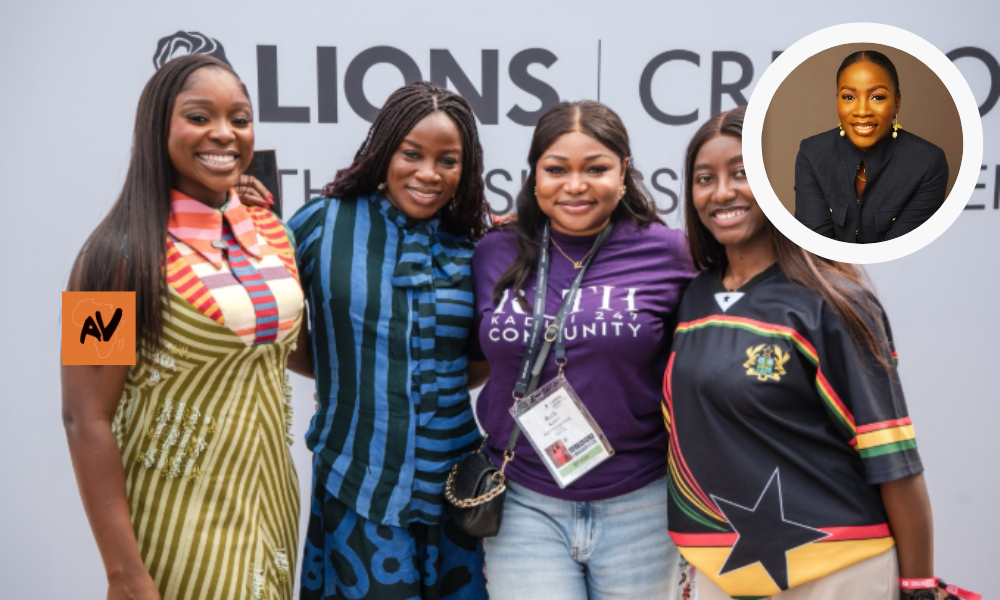
In June 2026, the company led an all-female delegation of creators from Nigeria and Ghana to the 73rd Cannes Lions International Festival of Creativity, one of the world’s largest gatherings for the advertising and marketing industry.
The delegation included media personality Tomike Adeoye, financial educator Jennifer “Financial Jennifer” Awirigwe and Ghanaian sports creator Bernice “Berneese” Boakye Ansah.
Their message to international brands was clear.
African creators are no longer emerging talent waiting to be discovered—they are building influential businesses that understand one of the world’s fastest-growing digital audiences.
Rather than asking for representation, they presented Africa as a market that global companies can no longer afford to overlook.
Closing the Monetization Gap
Despite impressive audience growth, monetization remains one of the biggest challenges facing African creators.
Many creators still lack access to global monetization programmes available in North America and Europe, while inconsistent payment systems and limited venture funding continue to restrict growth.
Woof Studios aims to bridge that gap by connecting creators with international brands while helping them establish professional business structures capable of supporting long-term expansion.
For Adetutu Laditan, success isn’t measured solely by viral content.
It is measured by whether creators can employ staff, build companies and generate wealth that extends beyond a single platform.
ALSO READ: 25 Most Beautiful And Most Developed Cities In Africa
Lessons for Africa’s Next Generation of Entrepreneurs
Laditan’s journey offers several lessons for aspiring entrepreneurs.
First, solving infrastructure problems can create bigger opportunities than competing in already crowded markets.
Second, global experience can provide valuable insights when applied to local challenges.
Third, education remains one of the most scalable products within emerging industries. By helping creators understand finance, contracts and business strategy, companies like Woof Studios are building stronger foundations for the wider digital economy.
Finally, sustainable businesses are built on ownership.
Followers may fluctuate, but intellectual property, trusted communities and diversified revenue streams create lasting value.
Why This Matters Beyond Social Media
The creator economy is no longer simply about entertainment.
It has become a driver of employment, innovation and economic growth.
Across Africa, creators are launching fashion brands, publishing companies, production studios, fintech products and educational platforms. They are creating jobs, attracting investment and introducing African stories to global audiences.
As governments begin recognising digital entrepreneurship as a formal sector and international brands increase spending on African audiences, the supporting infrastructure behind creators may become just as valuable as the content itself.
That is the opportunity Laditan believes Africa cannot afford to miss.
Rather than waiting for global technology companies to define the future of digital creativity, she wants African entrepreneurs to build that future themselves.
Looking Ahead
Africa’s creator economy is entering a new chapter.
The conversation is shifting from followers to founders, from influence to enterprise, and from viral moments to sustainable businesses.
Whether Woof Studios becomes one of the defining companies of that transition remains to be seen.
But its mission reflects a larger movement taking shape across the continent—one in which African creators are not simply participating in the digital economy but helping build it.
For entrepreneurs, investors and global brands alike, the message is becoming increasingly difficult to ignore.
The next generation of African business leaders may not emerge from traditional boardrooms.
They may emerge from the creator economy.