


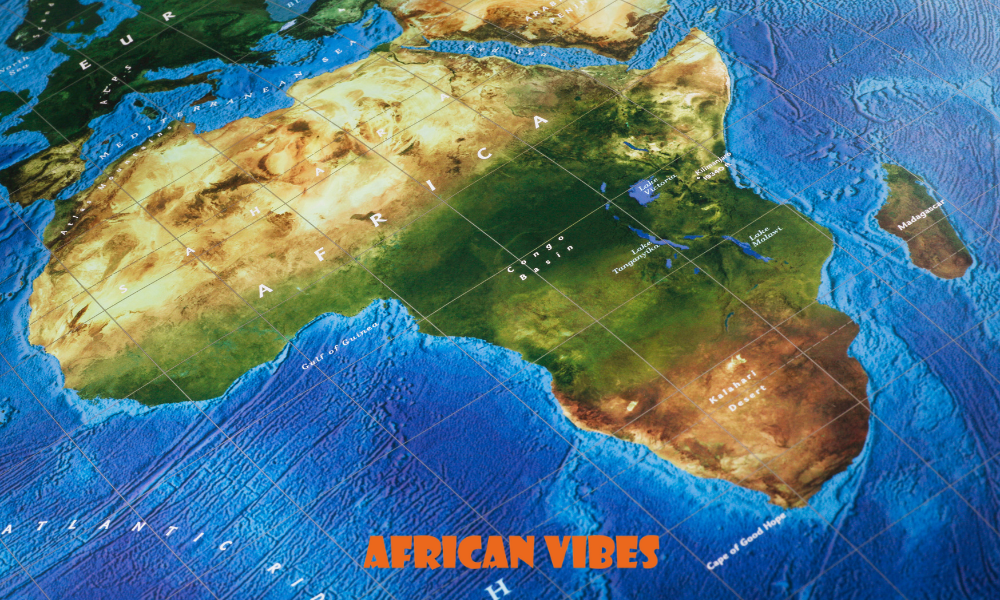
For centuries, the way the world has been mapped has shaped how we see power, importance, and influence. Yet, the maps most of us grew up with hide a profound distortion. The Mercator projection, created in the 16th century for navigation, has been quietly shrinking Africa while inflating regions of the Global North. This is more than just a cartographic issue—it’s a psychological and political one.
Today, the African Union (AU) is backing a groundbreaking movement to end this distortion: the “Correct the Map” campaign. This initiative seeks to replace outdated projections with accurate ones, restoring Africa’s true scale and helping dismantle centuries of narrative bias. At its heart, the campaign is not just about geography—it is about decolonizing knowledge and reclaiming Africa’s rightful global dignity.
ALSO READ: Mali’s Interim President Assimi Goïta’s extended term in office.
The Historical Deception of the Mercator Map
When Flemish cartographer Gerardus Mercator introduced his projection in 1569, it was a marvel for sailors. Its grid system made navigation easier, but the cost was steep: the map dramatically distorted the size of landmasses the further they were from the equator.
The result? Countries like Greenland and Russia look enormous, while equatorial regions—including Africa and South America—appear much smaller than they actually are. In reality, Africa is so vast that the U.S., China, India, Japan, and much of Europe can all fit inside its borders. Yet on the Mercator map, Greenland—14 times smaller—appears nearly the same size.
This visual lie has been institutionalized in schools, media, and even modern digital tools like Google Maps. Generations have absorbed a worldview where Africa is subconsciously diminished—a misrepresentation that quietly shapes attitudes toward the continent’s global standing.
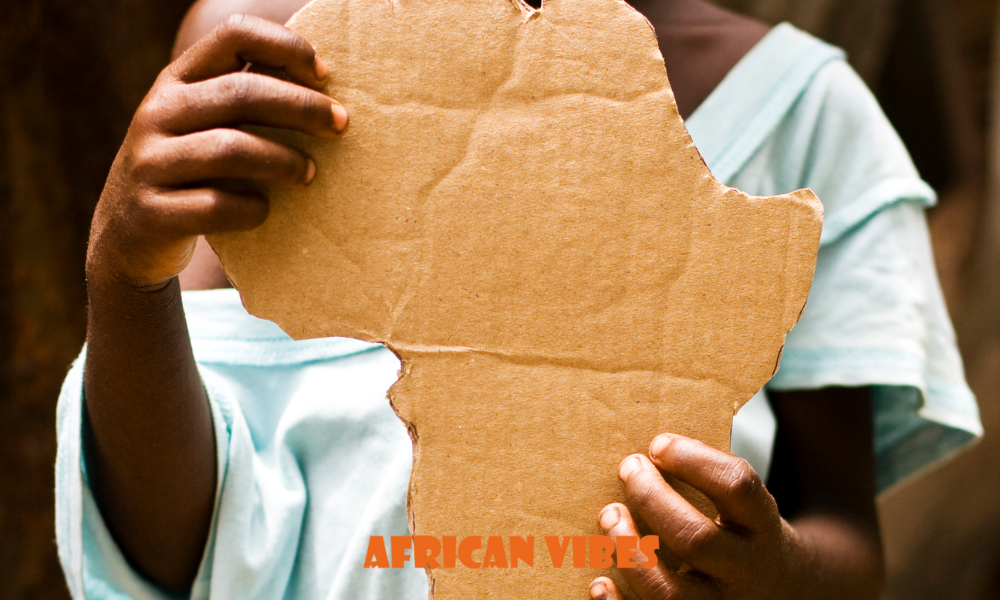
The African Union’s Call to Action
The African Union has now stepped in to officially endorse the “Correct the Map” campaign, led by advocacy groups such as Africa No Filter and Speak Up Africa. Their mission: to replace the Mercator map with more accurate alternatives like the Equal Earth projection.
In a strong statement, an AU official described the Mercator projection as “the world’s longest-running disinformation campaign.” The AU stresses that correcting this distortion is essential not only for education but also for dismantling the political and psychological impacts of centuries-old misrepresentation.
Momentum is building. The World Bank has already started using Equal Earth projections for some of its maps. Campaigners are pushing for global adoption by international institutions, major tech companies, and schools. The movement reflects Africa’s growing assertiveness in reshaping narratives long defined by colonial legacies.
Why It Matters: Restoring Dignity Through Cartography
At first glance, changing a map may seem symbolic. But symbols are powerful—and the Mercator projection’s distortion has reinforced harmful hierarchies for centuries. By making Africa appear smaller, the map contributed to the narrative of a continent less significant in global affairs.
This has influenced perceptions in diplomacy, trade, education, and development—often to Africa’s disadvantage. Correcting the map is both symbolic and substantive: it is about reclaiming Africa’s dignity and ensuring future generations grow up with a truthful perspective of the continent’s scale and potential.
Moreover, this shift aligns with broader efforts to decolonize history, art, and education. Just as African voices are reclaiming space in literature, media, and culture, this cartographic revolution ensures that geography itself is not filtered through a colonial lens.
Conclusion: A New Dawn on the Map
The “Correct the Map” campaign is more than a cartographic adjustment—it’s a cultural, political, and psychological reset. By embracing accurate projections, Africa is not just fixing an old distortion; it is asserting its rightful place on the world stage.
This change symbolizes a new era—one in which Africa defines itself, on its own terms, in the eyes of the world. Sometimes, the greatest deceptions are the ones hiding in plain sight. Correcting the map ensures that the next generation sees Africa as it truly is: massive, diverse, and central to the global future.