


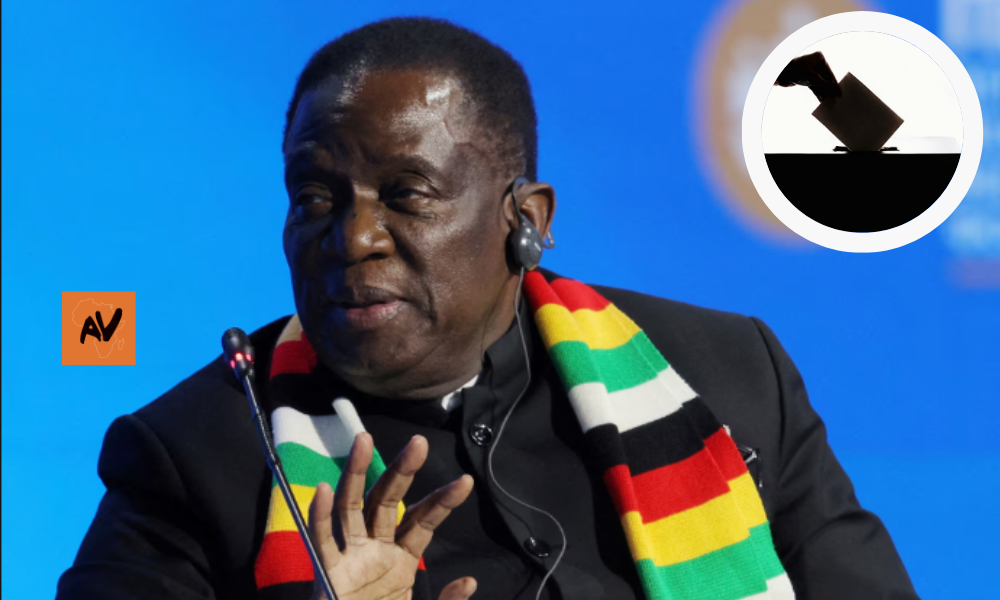
Zimbabwean President Emmerson Mnangagwa has signed into law one of the country’s most significant constitutional reforms in more than a decade, postponing the next general election until 2030, extending presidential and parliamentary terms from five to seven years, and ending the direct election of future presidents.
The sweeping changes, contained in the Constitution of Zimbabwe (Amendment) Act No. 3, 2026, have sparked fierce political debate, with opposition parties, constitutional lawyers and civil society organisations accusing the government of undermining democratic governance. The government, however, argues the reforms are necessary to provide political stability and allow long-term national development programmes to continue without interruption.
The amendment was signed into law on 7 July 2026, completing months of parliamentary debate and placing Zimbabwe at the centre of a broader continental discussion about constitutional reforms and presidential term limits.
What Changes Under Zimbabwe’s Constitutional Amendment?
The new legislation introduces several major reforms that will reshape Zimbabwe’s political system.
Elections Delayed Until 2030
Zimbabwe’s next general election was originally scheduled for 2028. Under the new constitutional amendment, the election has been postponed by two years to 2030, effectively extending the current terms of both the president and Parliament.
The move means President Mnangagwa will remain in office until 2030 instead of leaving at the end of his second term in 2028.
ALSO READ: Togo Opens Borders to African Passport Holders in Major Free-Movement Reform
Presidential and Parliamentary Terms Extended
The amendment increases the length of presidential and parliamentary terms from five years to seven years.
Although the government insists the constitutional two-term limit remains unchanged, critics argue that extending the duration of the current term allows the incumbent to remain in office longer than voters originally approved.
Zimbabwe Ends Direct Presidential Elections
Perhaps the most controversial provision is the abolition of direct presidential elections.
Instead of citizens voting directly for the president, future heads of state will be elected by a joint sitting of Parliament, made up of members of the National Assembly and Senate.
The reform reverses a system of direct presidential elections that has existed in Zimbabwe since 1987 and transfers the final decision on the presidency to lawmakers.
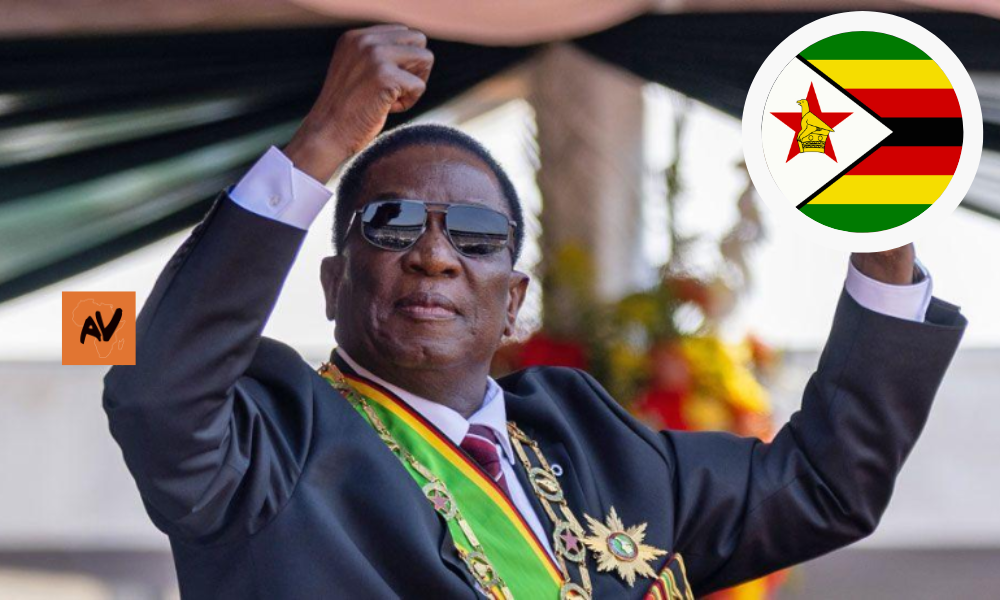
Electoral and Judicial Changes
The amendment also expands the Senate from 80 to 90 members, increasing parliamentary representation while also creating more appointed positions.
Responsibility for voter registration shifts from the Zimbabwe Electoral Commission to the Registrar-General’s Office, a move critics say weakens the independence of election administration.
The law also introduces changes to the judiciary, including removing public interviews for senior judicial appointments and creating the position of Judge President of the Supreme Court.
ALSO READ: Ghana’s Deportee Deal Sparks Rights Lawsuit and Pan-African Backlash
How the Amendment Became Law
The constitutional amendment moved quickly through Zimbabwe’s Parliament, where the ruling ZANU-PF party holds a commanding majority.
The Senate approved the legislation by 75 votes to four on 24 June, before the National Assembly passed it by 226 votes to 41 on 30 June.
President Mnangagwa signed the bill into law on 7 July after it was published in the Government Gazette, making the reforms official.
Government officials defended the legislation as necessary to strengthen policy continuity and improve long-term governance, arguing that longer terms would allow administrations to complete major infrastructure and economic projects.
Why Critics Oppose the Amendment
Opposition leaders and constitutional experts have described the reforms as a serious setback for Zimbabwe’s democracy.
Many argue the amendment violates Section 328 of Zimbabwe’s Constitution, often referred to as the “no-benefit clause,” which was introduced to prevent sitting leaders from changing constitutional provisions for their own political advantage.
Legal challenges have already been filed in Zimbabwe’s courts, with applicants arguing that changes affecting presidential tenure should have been approved through a national referendum rather than by Parliament alone.
Opposition figures have also criticised the removal of direct presidential elections, saying it reduces citizens’ influence over the country’s highest office and concentrates political power within Parliament.
Human rights organisations have meanwhile raised concerns over reports of intimidation and harassment of government critics during the debate over the constitutional reforms.
The government rejects those claims and maintains that the amendment fully complies with the Constitution because it does not remove the existing two-term presidential limit.
Who Is Emmerson Mnangagwa?
Emmerson Mnangagwa has served as Zimbabwe’s president since November 2017, when long-time leader Robert Mugabe was removed from power following military intervention.
Often known by his political nickname “The Crocodile,” Mnangagwa won presidential elections in 2018 before securing a second term in 2023.
Before the amendment, his presidency was expected to end in 2028 under Zimbabwe’s constitutional two-term limit.
The new law extends his current mandate until 2030.
Zimbabwe Joins a Wider African Trend
Zimbabwe is not alone in changing constitutional rules governing presidential terms.
Over the past two decades, several African governments have amended constitutions to extend mandates, reset term limits or modify electoral systems, often arguing that political continuity is necessary for national stability and economic development.
Countries including Uganda, Cameroon, Rwanda, Egypt, Togo, Republic of Congo, Côte d’Ivoire and Equatorial Guinea have all introduced constitutional changes affecting presidential tenure.
Supporters frequently argue such reforms promote stability and allow governments to complete long-term development plans.
Critics, however, say they weaken democratic accountability, reduce electoral competition and make peaceful transfers of power less likely.
Political analysts often describe these reforms as examples of “constitutional coups” or “third-term politics,” where legal amendments replace traditional military takeovers as a means of extending political power.
Despite these trends, surveys by Afrobarometer consistently show that a large majority of Africans continue to support democratic elections, presidential term limits and regular changes in political leadership.
What Happens Next?
Attention now turns to Zimbabwe’s judiciary, where several constitutional challenges are seeking to overturn parts of the amendment.
If the courts determine that the reforms required a referendum, the government could face pressure to submit the constitutional changes to voters.
If the amendment survives those legal challenges, Zimbabwe’s next general election will take place in 2030, with future presidents chosen by Parliament rather than through a nationwide popular vote.
The reforms are likely to remain a major point of political debate both inside Zimbabwe and across Africa, where constitutional amendments affecting presidential tenure continue to test the balance between political stability and democratic accountability.
Frequently Asked Questions
Why did Zimbabwe delay its elections to 2030?
The government says the constitutional amendment is intended to provide political stability and allow long-term development programmes to continue. Critics argue it primarily extends President Mnangagwa’s time in office.
Will Zimbabweans still vote directly for president?
No. Under Constitutional Amendment No. 3, future presidents will be elected by a joint sitting of Parliament rather than through direct nationwide elections.
Does the amendment remove presidential term limits?
No. The two-term limit remains in place, but each term has been extended from five years to seven years, allowing the current presidency to continue until 2030.
Why is the amendment controversial?
Opponents argue it undermines democratic accountability, weakens electoral institutions and may violate constitutional provisions requiring a referendum for changes affecting presidential tenure.
Related Keywords: Zimbabwe elections 2030, Emmerson Mnangagwa, Zimbabwe election delay, Zimbabwe Parliament, presidential term limits in Africa, Zimbabwe democracy, constitutional reforms in Africa.