


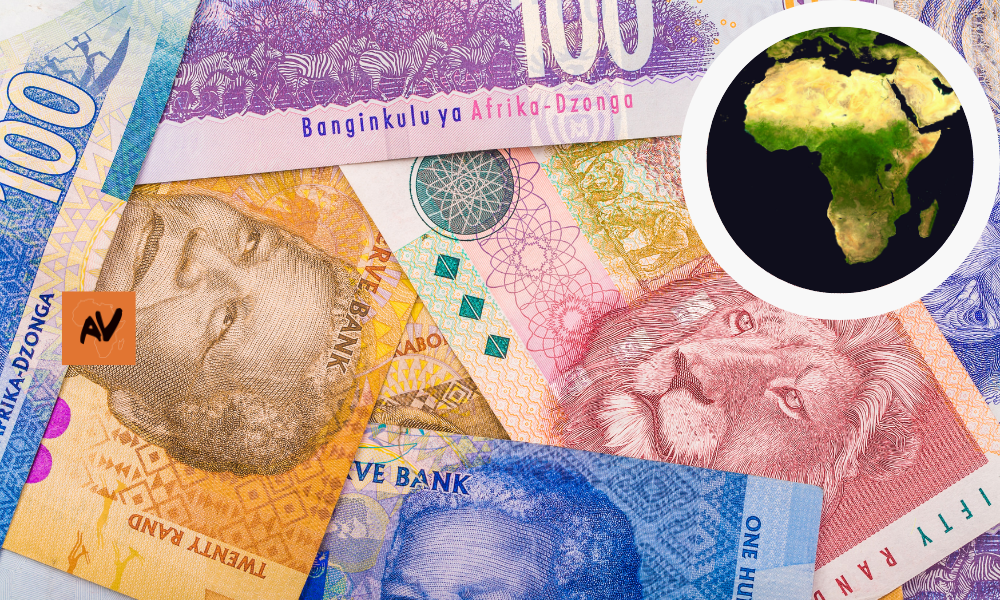
A strong and stable currencies one of the most critical macroeconomic assets an African nation can possess. As global markets navigate shifting capital flows, the continent’s monetary landscape is proving that currency resilience is a vital shield against external shocks.
When a country maintains a robust exchange rate, the domestic benefits are profound. A strong currency directly lowers import costs for vital goods like petroleum and machinery, effectively curbing inflation and enhancing the buying power of both everyday consumers and local businesses. Furthermore, stable exchange rates minimize the risks associated with volatile currency fluctuations, creating a predictable environment that strongly boosts both domestic and foreign investor confidence.
The mid-year data for 2026 highlights fascinating shifts, particularly with significant structural turnarounds in nations like Ghana and Zambia. Thanks to vastly improved foreign exchange (forex) availability, aggressive central bank interventions, and a booming copper trade in Zambia, these regions are showing remarkable market confidence.
Based on official central bank tracking data relative to the US Dollar ($1 USD), here are the top 10 African countries with the strongest currencies as of June 2026.
Ranked: The 10 Most Valuable Currencies in Africa
1. Tunisia (Tunisian Dinar)
- Exchange Rate: 1 USD = 2.96 TND
Tunisia retains its long-held position at the top of the continent’s monetary pyramid. The dinar’s enduring strength is heavily sustained by the Central Bank of Tunisia’s strict foreign exchange controls and a highly diversified economic base spanning manufacturing, agriculture, and tourism.
2. Libya (Libyan Dinar)
- Exchange Rate: 1 USD = 6.42 LYD
Despite facing prolonged domestic political complexities, the Libyan dinar remains exceptionally strong. This value is fundamentally anchored by the country’s massive oil reserves and a tightly managed official exchange rate system that heavily regulates the outflow of foreign currency.
3. Morocco (Moroccan Dirham)
- Exchange Rate: 1 USD = 9.37 MAD
Morocco’s dirham is a beacon of stability, backed by a managed peg linked closely to a basket containing both the Euro and the US Dollar. The nation’s booming automotive manufacturing, phosphate exports, and steady tourism inflows provide deep fundamental support for the currency.
4. Ghana (Ghanaian Cedi)
- Exchange Rate: 1 USD = 11.20 GHS
The Ghanaian cedi has emerged as one of the most remarkable turnaround stories of 2026. Backed by extensive IMF-supported economic structural reforms, booming gold and cocoa export revenues, and vastly improved domestic forex availability, market confidence has roared back, driving the cedi firmly into the top five.
5. Seychelles (Seychellois Rupee)
- Exchange Rate: 1 USD = 13.32 SCR
As a premium island destination, the Seychellois rupee’s value is continuously buoyed by high-end international tourism receipts. Prudent monetary governance keeps the small economy highly insulated from aggressive currency depreciation.
ALSO READ: Ghana’s Deportee Deal Sparks Rights Lawsuit and Pan-African Backlash
6. Botswana (Botswana Pula)
- Exchange Rate: 1 USD = 13.59 BWP
Long celebrated for exemplary fiscal management, Botswana’s pula remains highly resilient. Decades of institutional transparency, combined with steady foreign currency inflows from its highly lucrative diamond sector, keep the pula exceptionally stable.
7. Eritrea (Eritrean Nakfa)
- Exchange Rate: 1 USD = 15.00 ERN
The Eritrean nakfa maintains a fixed, stable exchange rate against the US Dollar. Because the government enforces strict, centralized control over the economy and foreign currency conversions, the official rate remains entirely decoupled from market volatility.
8. Eswatini (Swazi Lilangeni)
- Exchange Rate: 1 USD = 16.43 SZL
The lilangeni derives its structural strength from its direct, 1:1 monetary peg to the South African Rand via the Common Monetary Area (CMA) agreement, minimizing independent exchange rate risks.
9. Namibia (Namibian Dollar)
- Exchange Rate: 1 USD = 16.44 NAD
Mirroring Eswatini, the Namibian dollar is pegged directly to the South African Rand. Namibia’s recent macroeconomic milestones—including completely wiping out its outstanding IMF debt earlier this year—have given its broader fiscal environment an extra layer of structural health.
10. Lesotho (Lesotho Loti)
- Exchange Rate: 1 USD = 16.45 LSL
Rounding out the top ten, the loti is the final member of the regional peg to the South African Rand. By anchoring its currency to the region’s largest economic engine, Lesotho enjoys structural price stability and minimized regional trade barriers.
Comparative Overview: June 2026 Currency Standings
| Africa Rank | Country | Currency | Exchange Rate (per 1 USD) | Primary Economic Backing |
|---|---|---|---|---|
| 1 | Tunisia | Tunisian Dinar (TND) | 2.96 | Diversified / Strict Capital Controls |
| 2 | Libya | Libyan Dinar (LYD) | 6.42 | Hydrocarbons & Oil Exports |
| 3 | Morocco | Moroccan Dirham (MAD) | 9.37 | Manufacturing, Tourism & Pegged Basket |
| 4 | Ghana | Ghanaian Cedi (GHS) | 11.20 | Gold, Cocoa & IMF Reforms |
| 5 | Seychelles | Seychellois Rupee (SCR) | 13.32 | Luxury Tourism Inflows |
| 6 | Botswana | Botswana Pula (BWP) | 13.59 | Diamond Exports & Fiscal Discipline |
| 7 | Eritrea | Eritrean Nakfa (ERN) | 15.00 | Fixed Government Peg |
| 8 | Eswatini | Swazi Lilangeni (SZL) | 16.43 | CMA Peg (South African Rand) |
| 9 | Namibia | Namibian Dollar (NAD) | 16.44 | CMA Peg / Mineral Wealth |
| 10 | Lesotho | Lesotho Loti (LSL) | 16.45 | CMA Peg / Textile Exports |
The Editorial Verdict: The Reality Behind the Exchange Rates
While nominal strength (the raw conversion number against the dollar) makes for a great leaderboard, the real story of 2026 lies in stability and structural reform.
A country like Tunisia or Libya can maintain a strong face value through tight capital controls, but it is the dynamic performers like Ghana and Zambia that international investors are watching closely. By addressing core vulnerabilities—such as boosting local production, increasing mineral export trading capacities, and rebuilding foreign exchange reserves—these nations are building genuine, lasting currency health rather than relying on artificial structural cushions.