


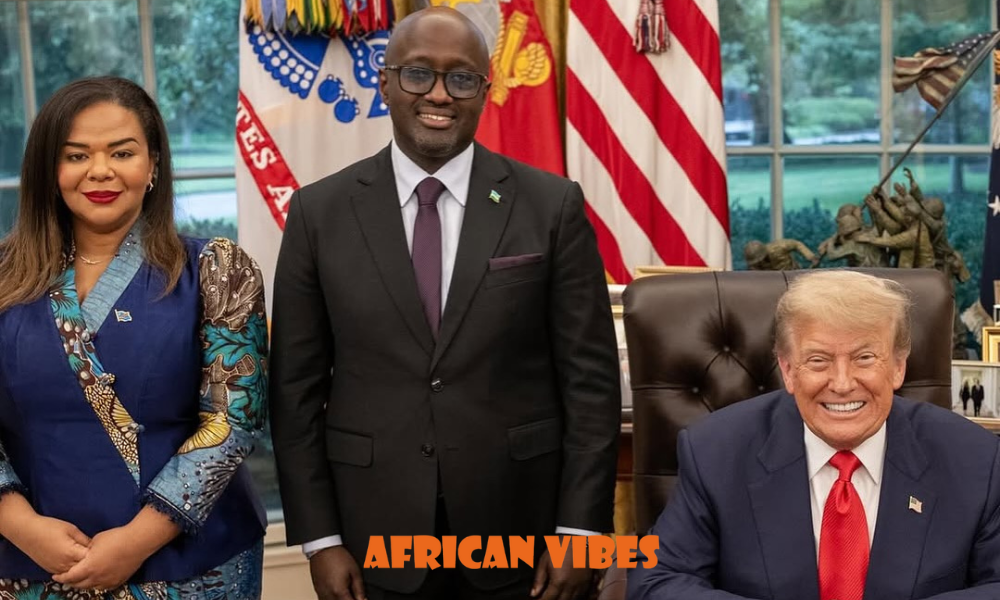
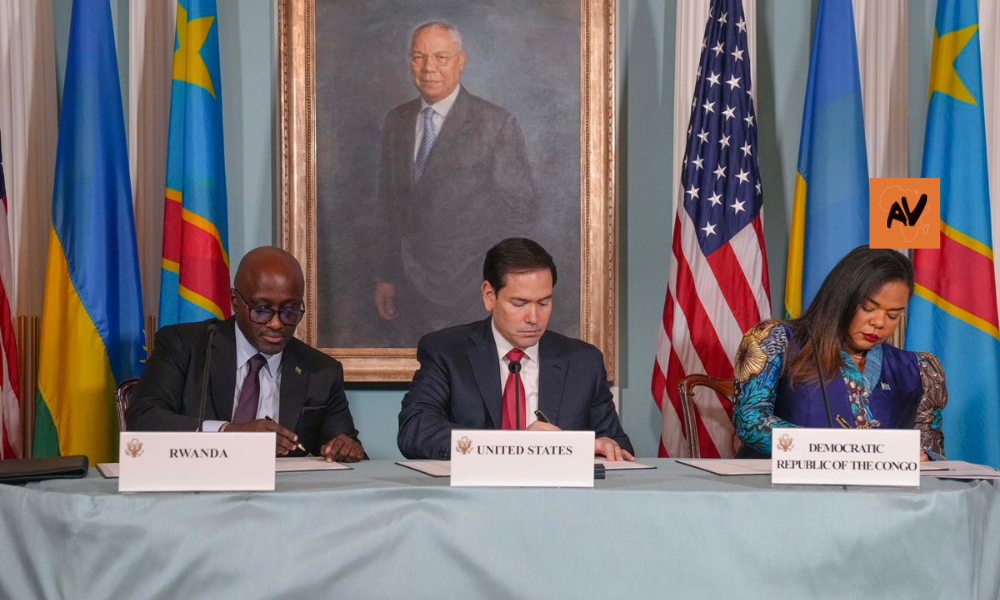
In a landmark moment that may reshape the destiny of Central Africa, the Democratic Republic of Congo (DRC) and Rwanda have signed a historic peace agreement aimed at ending decades of deadly conflict in the Great Lakes region. The accord, signed in Washington D.C. with international mediation, represents the most significant breakthrough in bilateral relations between the two countries since the 1994 Rwandan genocide and the ensuing regional wars that have left millions dead and displaced.
This agreement marks a turning point for two nations whose intertwined histories have long been marred by mutual suspicion, proxy conflicts, and the tragic weaponization of one of the world’s richest mineral belts. Now, a new path is being forged—one of dialogue, shared security, and regional prosperity.
A Region Long in Crisis
The eastern provinces of the DRC have borne the brunt of instability for decades. The aftermath of the Rwandan genocide saw Hutu extremists and elements of the former Rwandan regime flee into what was then Zaire. There, they regrouped into armed militias such as the FDLR (Democratic Forces for the Liberation of Rwanda), becoming a constant threat to Rwanda’s security and a catalyst for multiple Rwandan military interventions in DRC territory.
In parallel, rebel movements like the M23 emerged, allegedly supported by external actors, further fueling the instability. Accusations between Kigali and Kinshasa of harboring or backing hostile forces turned the region into a powder keg, with devastating consequences for civilians. Over 7.8 million people remain displaced, making this one of the world’s longest-running humanitarian disasters.
ALSO READ: South Africa’s Trailblazer Julius Malema banned from entering the UK
What the Peace Accord Promises
The newly signed peace accord goes far beyond a symbolic gesture. It is a detailed framework for resolving root causes of the conflict, restoring trust, and fostering economic growth. Key components of the agreement include:
- Mutual Respect for Sovereignty: Both nations have pledged to fully respect each other’s territorial integrity and cease all forms of support to non-state armed actors.
- Demobilization and Neutralization of Armed Groups: Central to the accord is a commitment to the disarmament and dismantling of all armed groups, including the FDLR and the M23. Rwanda has emphasized the need to eliminate the FDLR threat, while the DRC is focused on ending the M23 insurgency.
- Joint Security Coordination: Within 30 days, a bi-national security coordination mechanism will be launched to facilitate real-time intelligence sharing, border monitoring, and joint responses to emerging threats.
- Return of Displaced Communities: The agreement guarantees the safe and dignified return of refugees and internally displaced persons (IDPs), a critical move toward community rehabilitation and economic recovery.
- Economic Integration: Beyond security, the agreement includes a roadmap for regional economic cooperation. From mining to infrastructure, the focus is on transforming mineral wealth into shared prosperity—rather than a source of perpetual conflict.
International Mediation and Support
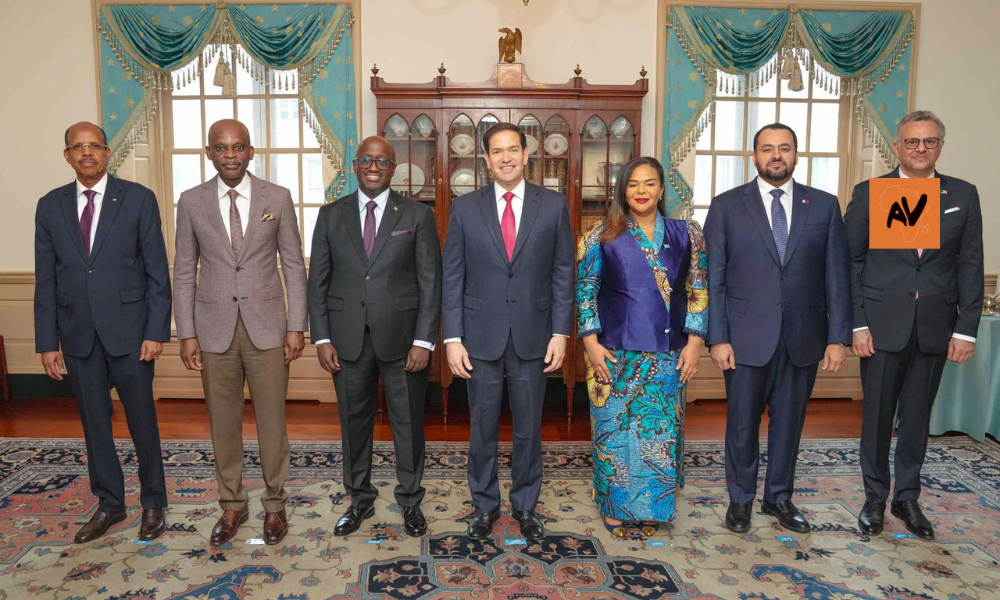
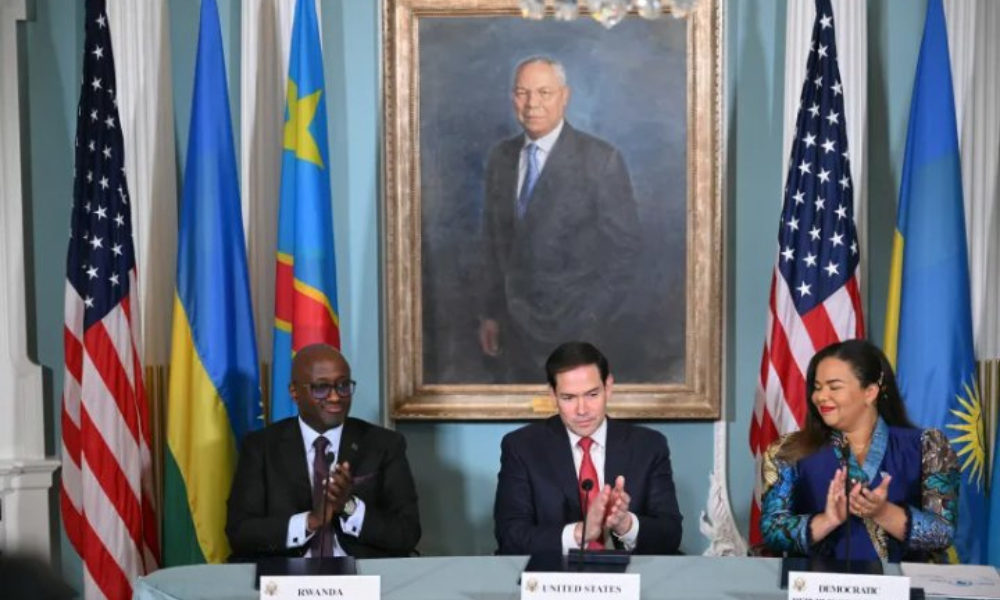
The accord is the result of tireless diplomacy, with the United States and Qatar playing lead mediation roles. Regional institutions such as the African Union and the East African Community (EAC) also contributed, offering political cover and facilitating dialogue. The signing ceremony saw heartfelt statements from both Congolese Foreign Minister Therese Kayikwamba Wagner and Rwandan Foreign Minister Olivier Nduhungirehe.
Minister Wagner acknowledged the painful legacy of violence:
“Some wounds will heal, but they will never fully disappear. Those who have suffered the most are watching. They are expecting this agreement to be respected, and we cannot fail them.”
Minister Nduhungirehe struck a note of cautious optimism:
“There is a great deal of uncertainty given our past. But a turning point has been reached.”
ALSO READ: Meloni’s Mattei Plan Aims to Slash African Debt and Redefine EU-Africa Ties
A Peace with Transformational Potential
If successfully implemented, this accord could unlock vast opportunities not just for Rwanda and the DRC, but for the broader Great Lakes region. The DRC sits atop an estimated $24 trillion in untapped mineral resources. Stabilizing the region could finally allow this wealth to be developed transparently, benefiting local populations and attracting ethical investment—particularly in critical minerals vital to the global energy transition.
Cross-border infrastructure projects, enhanced trade, and technological partnerships could transform the region into an economic powerhouse. Agriculture, tourism, and cultural exchange stand to flourish once freed from the constraints of insecurity.
Moreover, the return and reintegration of displaced people offer both a humanitarian solution and a boost to local economies. Communities long frozen by conflict can begin to heal, rebuild, and thrive.
The Challenges Ahead
Despite the optimism, the road to peace is fraught with obstacles. Previous agreements in the region have failed due to a lack of trust, accountability, and enforcement. This time, the exclusion of groups like the M23 and the FDLR from the initial signing table poses a risk. Parallel negotiations are ongoing in Qatar involving the M23 and the Congolese government, and their outcomes will be critical to lasting peace.
Justice and reconciliation also remain essential. Communities that have endured mass atrocities need more than ceasefires—they need truth, reparations, and inclusion. Without these elements, dormant tensions could resurface.
The international community must go beyond congratulatory statements. Continued monitoring, technical support, and where necessary, peacekeeping or diplomatic pressure will be essential in holding all parties accountable.
Conclusion: A Moment for African Leadership and Global Support
The peace accord between Rwanda and the DRC is not just a treaty—it is a symbol of what African nations can achieve through dialogue and leadership. It shows that even the most complex and deep-rooted conflicts can find resolution when political will aligns with citizen aspiration and international support.
For the people of the Great Lakes, this is a long-awaited glimmer of hope. For Africa, it is a reaffirmation of its ability to solve its own problems. And for the world, it is a reminder that peace in the heart of Africa is both possible and necessary—for regional stability, for global resource sustainability, and above all, for human dignity.