


A Trial Far From Home: Justice in a Denver Courtroom
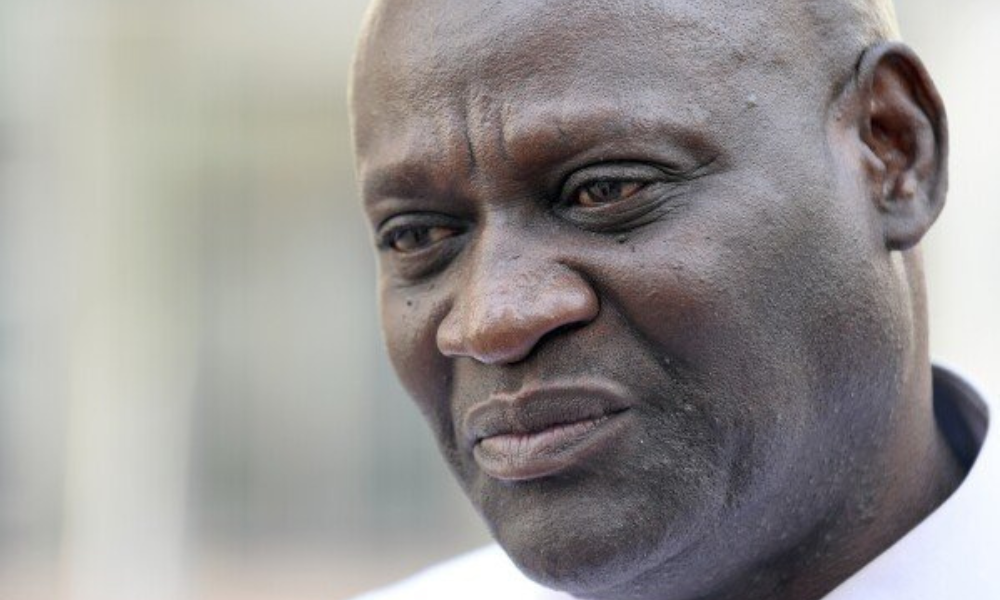
On a quiet morning in Denver, Colorado, a federal courtroom witnessed something almost unprecedented: a man who had tortured fellow citizens thousands of miles away—under the command of a brutal African dictatorship—was found guilty by a U.S. jury.
Michael Sang Correa, a former member of the feared Gambian paramilitary unit known as the “Junglers,” was convicted on six counts of torture and conspiracy for crimes committed in 2006 during the reign of ex-president Yahya Jammeh. This case marked the first time a non-American was successfully prosecuted under the United States’ Torture Act, a 1994 statute that gives the U.S. jurisdiction over acts of torture committed abroad.
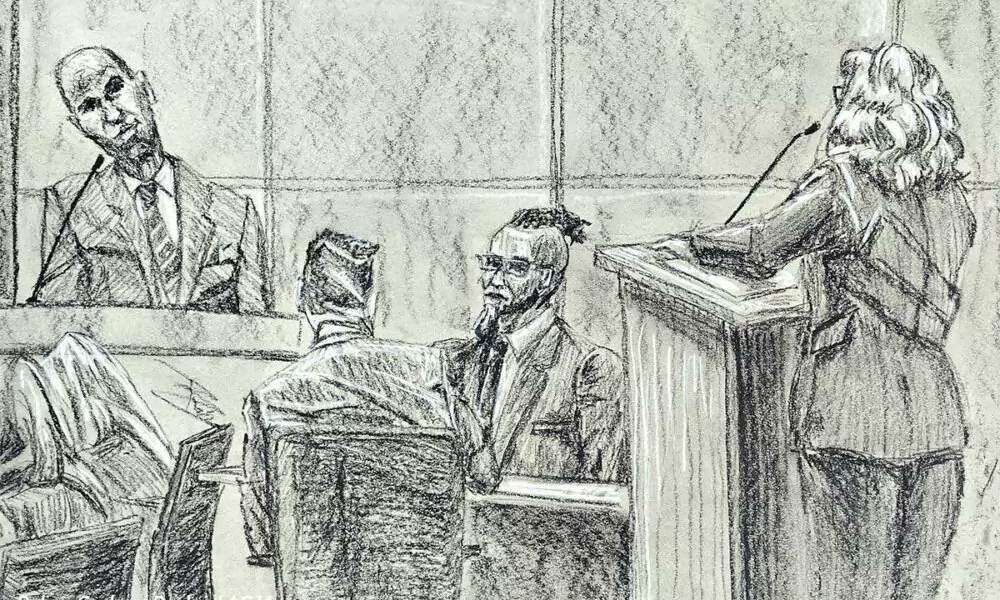
As survivors took the stand—some traveling from Gambia and Europe—they recounted scenes of unspeakable brutality: being electrocuted, suffocated, beaten while suspended upside-down. Their testimonies weren’t just a cry for recognition. They were part of a precedent-setting trial that is now sending ripples through legal and diplomatic circles across the globe.
The Legacy of Yahya Jammeh and the Junglers
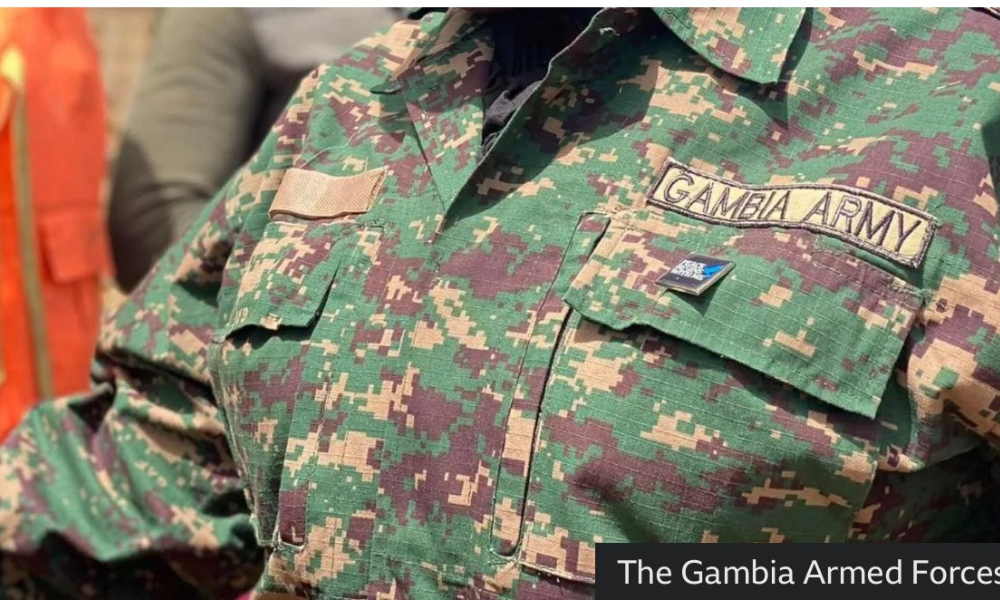
To understand the gravity of this trial, one must revisit the dark era of Gambian politics. For 22 years, Yahya Jammeh ruled Gambia with a mixture of charismatic mysticism and totalitarian brutality. His secret police, the National Intelligence Agency (NIA), and elite military units—chief among them the Junglers—were implicated in disappearances, torture, and extrajudicial executions.
Correa served directly under this regime. In 2006, after a failed coup attempt against Jammeh, Correa and other Junglers allegedly participated in the arrest and torture of perceived dissidents. Among the victims were soldiers, journalists, and ordinary civilians swept up by a paranoid state apparatus.
When Jammeh was ousted in 2017 amid mounting international pressure and a surprise electoral loss, many of his top lieutenants fled the country. Correa found his way to the United States in 2016, overstaying his visa and settling in Colorado under the radar—until human rights investigators tracked him down.
The U.S. Torture Act: A Rarely Used Legal Weapon
Passed in 1994 to align the U.S. with the United Nations Convention Against Torture, the U.S. Torture Act (18 U.S.C. § 2340A) allows for the prosecution of individuals who commit acts of torture outside the country, so long as they are physically present within the United States.
Despite its power, the law has only been used twice before—and never successfully against a foreign national.
Legal scholar Dr. Amy Goldstein, an expert in international criminal law at Columbia University, explains: “This law is symbolic in its reach but seismic in its implications. By convicting Correa, the U.S. has asserted that there are certain crimes so egregious they offend the conscience of all nations—and must not go unpunished, regardless of where they were committed.”
ALSO READ: Namibia Ends Visa-Free Travel for Non-Reciprocating Countries
Universal Jurisdiction: Legal High Ground or Global Overreach?
The principle underpinning Correa’s trial is universal jurisdiction: the idea that certain crimes—genocide, torture, war crimes—are so severe that any country may prosecute the offenders, even if there’s no direct connection to the crime.
This legal tool is a double-edged sword.
On one hand, it empowers countries to fill accountability gaps when domestic courts are unwilling or unable to act. On the other, it invites criticisms of judicial imperialism, especially when Western nations take it upon themselves to prosecute crimes committed in the Global South.
Gambian legal analyst Fatou Ceesay, who has followed the case closely from Banjul, notes the mixed reactions at home. “There’s pride that survivors were heard, yes—but also a sense of dependency. Why couldn’t we try him here? What does it say about our own justice system?”
The Gambian Truth, Reconciliation, and Reparations Commission (TRRC), which concluded its hearings in 2021, named Correa among dozens recommended for prosecution. Yet political will to follow through has faltered.
Survivors, Not Spectators
What truly sets this case apart is the agency of the survivors. Four men—who once feared for their lives at the hands of the Junglers—stood before a foreign court, recounted their trauma, and looked their torturer in the eye.
One of them, whose identity is being protected, told reporters after the verdict: “I came not just for myself, but for those who never got the chance to speak.”
Prosecutors relied heavily on their detailed testimonies and corroborating evidence collected by NGOs and transitional justice advocates.
Matthew Olsen, Assistant Attorney General for National Security, emphasized the message sent by the verdict: “This case is a warning to human rights violators: the United States will not be your hiding place.”
ALSO READ: Gazprom’s Uncovers 50 Billion Barrels of Oil in Burkina Faso
A Broken Immigration Gate?
Correa’s presence in the United States for years undetected has also raised red flags within the Department of Homeland Security and immigration watchdogs.
How did a man with a record of violent crimes manage to enter—and remain—in the U.S. under a diplomatic pretense? Experts cite flaws in inter-agency data sharing, weak coordination with foreign governments, and insufficient screening at the time.
“This is a failure that shouldn’t have happened,” said Sara Mohamed, Director of Human Rights Watch’s U.S. Accountability Project. “We welcome this trial, but let’s not forget—he lived here freely for years.”
There are now calls for reforms to better vet applicants from conflict zones and autocratic regimes without closing the door to legitimate refugees and asylum seekers.
Will Other Perpetrators Be Next?
The symbolic and legal success of this case could embolden other countries—particularly in Europe, which already has universal jurisdiction statutes—to pursue more trials of war criminals, ex-generals, or death squad leaders living abroad.
In The Hague, officials at the International Criminal Court (ICC) have quietly praised the outcome. Although Gambia is not under ICC investigation, observers believe the Correa case could renew pressure on the ICC to act in African contexts where local justice mechanisms are stalling.
Back in Gambia, however, accountability is moving at a glacial pace. While some ex-Junglers remain in detention, most roam free. Jammeh himself resides in Equatorial Guinea, where he is protected by diplomatic asylum.
Conclusion: A New Chapter in Global Justice?
The conviction of Michael Sang Correa is not just a legal footnote. It is a bellwether moment in the ongoing evolution of international justice.
It asks hard questions: Can powerful nations ethically wield universal jurisdiction? Should sovereignty yield when justice is denied? And what obligations do host countries have to victims of foreign atrocities?
For now, the U.S. has chosen to answer those questions with action. And for the survivors who finally saw their torturer held to account, that action—however delayed—was justice long awaited.
FAQ: U.S. Trials for Foreign Human Rights Abuses
Q: What is the U.S. Torture Act?
A federal law enacted in 1994 allowing prosecution of acts of torture committed outside the U.S. if the perpetrator is found on U.S. soil.
Q: Who is Michael Sang Correa?
A former Gambian soldier and member of the “Junglers,” convicted in the U.S. for torturing civilians during Yahya Jammeh’s rule.
Q: What is universal jurisdiction?
A legal principle that allows national courts to prosecute serious crimes like genocide or torture regardless of where they occurred.
Q: Will Yahya Jammeh be prosecuted next?
He currently resides in Equatorial Guinea, which has so far refused to extradite him. The Gambian government has not initiated formal proceedings.
Check our Socials For Amazing Discussions