


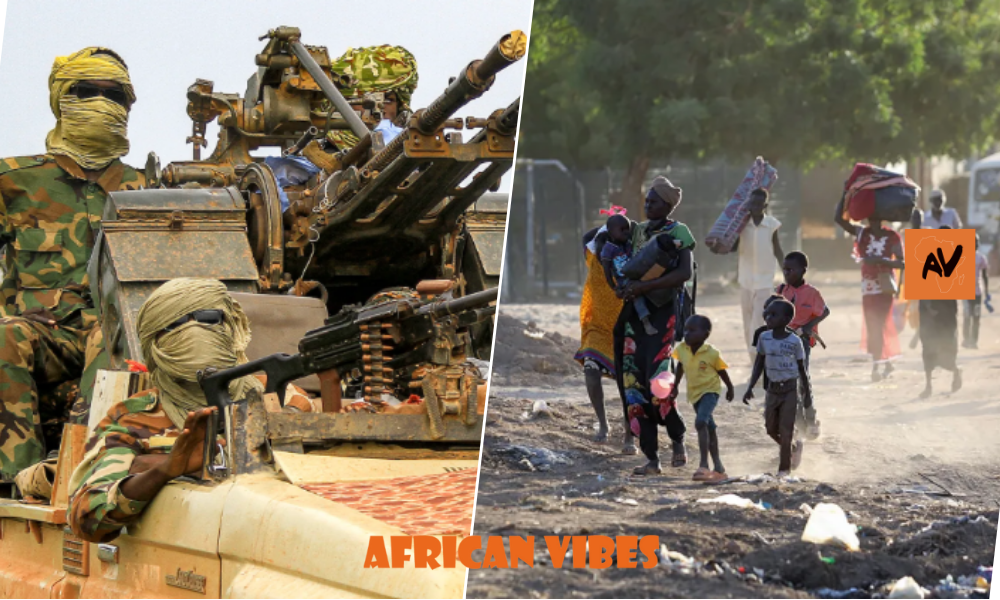
Since April 2023, Sudan has been locked in a brutal civil war that has torn the nation apart and created what the UN calls the world’s worst humanitarian crisis today. The fighting between the Sudanese Armed Forces (SAF) and the Rapid Support Forces (RSF) has turned cities into graveyards, displaced millions, and shattered hopes for democracy in one of Africa’s most strategically vital nations.
But beyond the headlines and diplomatic statements lies a deeper truth: Sudan’s pain is Africa’s pain.
A Nation in Ruins
Two years into the war, Sudan’s landscape tells the story of a people betrayed. From Khartoum to Darfur, once-vibrant communities have been reduced to ashes. Markets, hospitals, and schools lie in ruins, while families flee with only what they can carry.
According to UN figures, over 12 million people have been displaced — 7 million inside Sudan and nearly 4 million forced to cross borders into Chad, South Sudan, Egypt, and Ethiopia. The exodus has become one of the largest in modern African history, overwhelming fragile neighboring states that are themselves struggling to recover from conflict and climate shocks.
In Darfur, where memories of past atrocities still haunt survivors, reports of ethnic cleansing and sexual violence have resurfaced. Entire communities have been wiped out, and women and children remain the most vulnerable — trapped in camps or on perilous routes seeking refuge.
ALSO READ: Trump Threatens Nigeria With Aid Cuts Over Christian Persecution
Starvation as a Weapon of War
Food has become a weapon. Between December 2024 and May 2025, more than 24 million Sudanese faced acute hunger, with famine already declared in several regions.
Farmers cannot plant. Aid convoys are blocked or looted. Markets have collapsed. The price of bread in Khartoum has soared to levels unimaginable for ordinary families, while children in displacement camps go days without eating.
One humanitarian worker described the situation bluntly: “People are dying not because there’s no food in Sudan — but because they can’t reach it.”
The health system has all but collapsed. More than 70% of hospitals have been destroyed or shut down, and a deadly cholera outbreak continues to spread unchecked. Pregnant women are forced to give birth without medical care, and thousands of children suffer from malnutrition and disease.
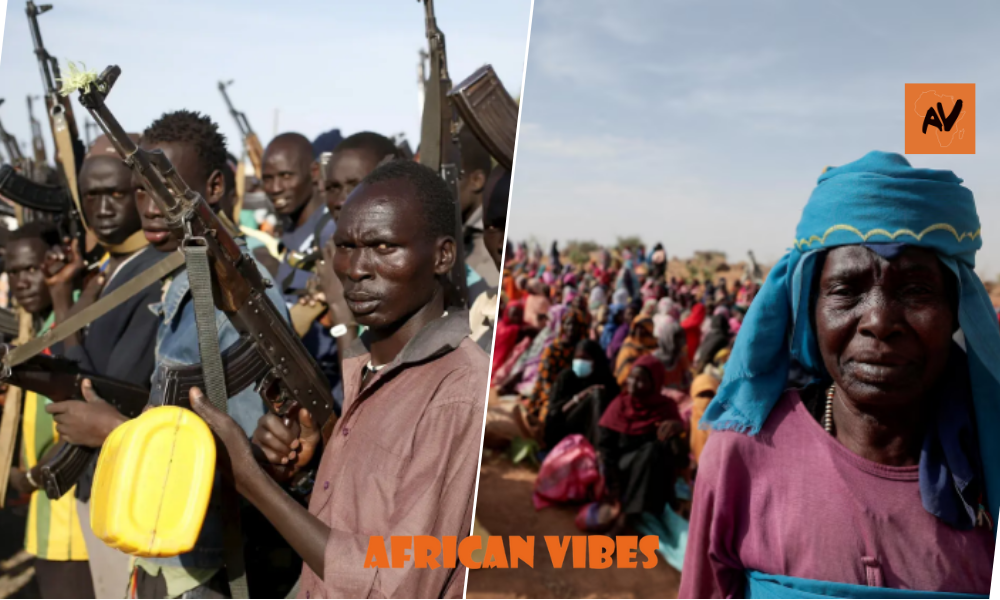
Cities Under Siege
In the city of El-Fasher, North Darfur, the situation is dire. Once a bustling urban hub, it is now under siege by the RSF. Food, water, and medicine are running out. Residents report bodies left unburied as fighting rages around them.
Similar scenes are playing out across Omdurman, Nyala, and Port Sudan — cities that have become symbols of resistance and survival amid the chaos. Yet despite the suffering, Sudan’s people continue to show remarkable resilience, forming neighborhood committees to share food, medicine, and information even as bullets fly.
African Solidarity and Global Silence
While the world’s attention shifts elsewhere, African voices are rising to demand action. The African Union, IGAD, and neighboring states have repeatedly called for a lasting ceasefire, but peace efforts remain fragile as foreign powers continue to supply weapons and fuel the conflict.
What Sudan needs now is not pity — but principled African leadership and a unified humanitarian response rooted in solidarity. This is not only a Sudanese crisis; it is a continental emergency that threatens regional stability and Africa’s shared vision for peace and prosperity.
A Call for Hope Amid Despair
Despite unimaginable suffering, the Sudanese spirit endures. Across the region, young Africans, artists, activists, and diaspora communities are mobilizing to raise awareness, collect aid, and demand that the world no longer look away.
As one displaced mother in White Nile State told an aid worker:
“We do not need the world to cry for us. We need the world to stand with us.”
Africa Must Not Turn Away
Sudan’s war is not a tragedy written by fate — it is a man-made catastrophe. But it can also become a turning point. A moment where Africa chooses unity over indifference.
If the continent stands together — through diplomacy, aid, and advocacy — Sudan can rise again.
The question is not whether the world is watching, but whether Africa is listening.
Sudan’s people are calling for peace, dignity, and a chance to rebuild. The time to act is now.