


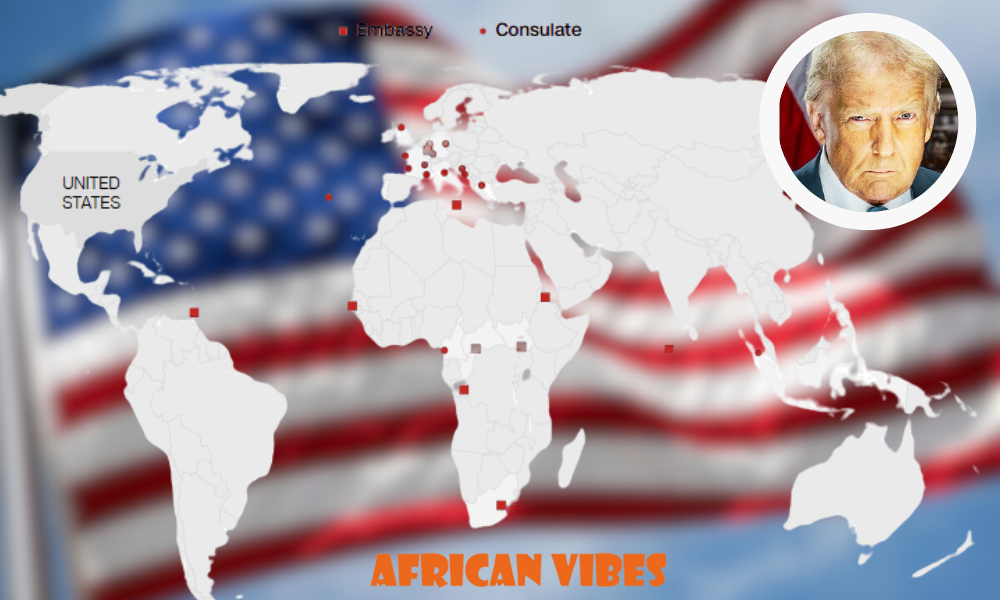
The concept of US Entry Bans restrictions from certain nations is not new to the Trump administration. His first term saw the implementation of a controversial “Muslim ban” in 2017, which initially targeted seven predominantly Muslim-majority countries.
This policy sparked widespread global outcry, protests at airports, and numerous legal challenges, ultimately leading to a revised and upheld version by the Supreme Court. The narrative underpinning these bans has consistently cited national security concerns, including “deficient” screening and vetting processes, and a perceived unwillingness of certain countries to accept back their removable nationals.
However, critics, particularly those advocating for human rights and immigrant rights, have consistently argued that these policies are discriminatory, often targeting nations with significant Muslim populations or those experiencing political instability.
The inclusion of several African countries in both previous and the latest iterations of the ban raises pertinent questions about how these decisions are perceived on the continent, impacting perceptions of the United States and fostering a sense of alienation among affected communities.
Key Developments
The recent proclamation, signed by President Donald Trump, applies a full ban on foreign nationals from 12 countries, with heightened restrictions on an additional seven. Among the fully banned nations, a significant number are African:
- Chad: Despite its ongoing efforts in regional counter-terrorism, Chad finds itself on the list, raising questions about the criteria used.
- The Republic of Congo: Concerns about “deficient” screening and vetting, as cited by the US administration, contribute to its inclusion.
- Equatorial Guinea: Similar to the Republic of Congo, issues with documentation and vetting are highlighted as reasons for the ban.
- Eritrea: This East African nation faces restrictions, impacting its citizens’ ability to travel to the US.
- Libya: Continuing political instability and the absence of a strong central authority are cited as factors for its inclusion.
- Somalia: A nation grappling with ongoing conflict and humanitarian crises, Somalia remains on the list, raising concerns for its diaspora.
- Sudan: Despite recent positive diplomatic shifts and the removal of Sudan from the state sponsors of terrorism list under the previous US administration, it surprisingly reappears on this ban, drawing significant concern given its ongoing humanitarian crisis.
Additionally, several other African countries face heightened restrictions or were given deadlines to improve vetting procedures, including Burundi, Sierra Leone, and Togo (among others from a broader list of 36 countries that were given a warning). This expansion underscores a broader push by the Trump administration to tie U.S. entry Bans policies to specific national security benchmarks and a willingness to leverage travel restrictions as a diplomatic tool.
The stated reasons for these bans often revolve around visa overstay rates and the perceived inability or unwillingness of these governments to share information or repatriate their citizens. However, many African nations affected argue that such broad measures overlook their specific challenges, including internal conflicts or lack of resources for robust documentation systems, and unfairly penalize their entire populations.
ALSO READ: Namibia and Botswana Partner to Build Joint Oil Refinery, Target Fuel Independence
US Entry Bans Impact and Analysis:
The re-imposition and expansion of these travel restrictions have a multifaceted impact that resonates deeply within African communities and the broader African diaspora.
Family Separation and Humanitarian Concerns: One of the most immediate and painful consequences is the separation of families. Many individuals from these banned countries have relatives, including US citizens and lawful permanent residents, in the United States. The US Entry Bans impedes their ability to reunite, visit sick family members, or attend crucial life events.
This echoes the distress witnessed during earlier iterations of the US Entry Bans, which often left families in agonizing limbo, undermining the very fabric of human connection. The International Rescue Committee (IRC) has vocally condemned these bans, highlighting how they exacerbate humanitarian crises and prevent vital support for refugees and asylum seekers, particularly from nations like Sudan and Haiti, which are facing severe humanitarian emergencies.
Economic Repercussions and Brain Drain: While difficult to quantify precisely, the ban can have subtle but significant economic impacts. It deters highly skilled individuals, students, and entrepreneurs from these countries from seeking opportunities in the US, potentially leading to a “brain drain” from the continent or a redirection of talent to other more welcoming nations.
Investment and business ties can also be hampered as travel becomes more cumbersome, affecting bilateral trade and economic partnerships. For African tech startups, fashion designers, and artists who often seek collaborations and markets in the US, these restrictions present formidable barriers.
Perception of the United States and Diplomatic Strain: The travel ban undeniably strains diplomatic relations between the US and the affected African nations. It often fosters a perception of discrimination and a lack of understanding of the complex realities on the ground in these countries.
For many Africans, it feels like a collective punishment, rather than a targeted measure based on genuine security threats. This can erode goodwill and cooperation on other critical issues, from counter-terrorism efforts to public health initiatives. The emphasis on “deficient” vetting can also be seen as an affront to national sovereignty and a disregard for existing security cooperation.
ALSO READ: Namibia Ends Visa-Free Travel for Non-Reciprocating Countries
Cultural Exchange and Educational Opportunities: The ban significantly impacts cultural exchange and educational opportunities. African students, scholars, and artists who seek to study, teach, or perform in the US face immense hurdles.
This not only deprives them of valuable experiences but also impoverishes the cultural tapestry of the US by limiting the influx of diverse African perspectives and talents. Historically, the US has been a beacon for academic and cultural exchange, and these policies threaten to diminish that legacy.
Reinforcing Negative Stereotypes: Despite claims of national security, such bans often inadvertently reinforce negative stereotypes about entire nations and their populations. For countries striving to overcome challenges and rebuild, these sweeping restrictions can undermine their efforts and perpetuate a narrative of instability and threat, rather than focusing on the resilience and vibrant cultures that exist within them.
Conclusion
The Trump administration’s renewed travel restrictions cast a long shadow over the aspirations of many Africans seeking opportunities, reunification, and cultural exchange with the United States. While couched in terms of national security, the broad scope and impact on ordinary citizens, particularly within vulnerable populations, raise significant ethical and humanitarian questions.
African nations, despite these challenges, continue to demonstrate remarkable resilience and a commitment to progress. The African diaspora in the United States, too, remains a vibrant force, advocating for their communities and working to bridge divides.
Moving forward, it is crucial for stakeholders on both sides to engage in constructive dialogue, prioritizing nuanced approaches that address genuine security concerns without resorting to blanket bans that inflict undue hardship and erode mutual respect.