


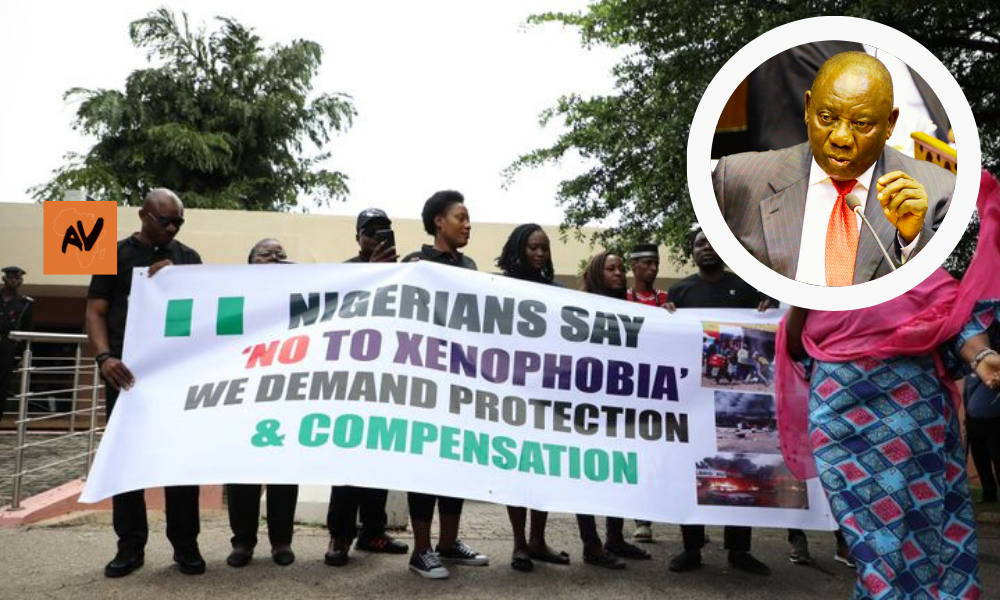
Nigeria is documenting businesses, homes, and other assets abandoned by its citizens in South Africa as it prepares possible compensation claims, following a fresh wave of anti-immigrant unrest that has prompted several African countries to evacuate their nationals.
The move marks one of the strongest diplomatic responses yet to repeated outbreaks of xenophobic violence in South Africa, where foreign nationals have once again found themselves at the centre of growing political tensions over immigration, unemployment and crime.
Officials in Abuja say Nigerians returning home on government-funded evacuation flights are being asked to provide evidence of businesses, vehicles, commercial stock and property left behind before departing South Africa. The records could form the basis of future discussions with Pretoria over compensation for losses suffered during the crisis.
The initiative comes as governments across Africa organise emergency repatriation efforts amid fears that anti-migrant demonstrations could escalate into further violence.
Nigeria launches compensation initiative
Nigeria’s Acting High Commissioner to South Africa, Alexander Ajayi, said the government intends to work with South African authorities to identify and verify abandoned assets belonging to Nigerian citizens.
Speaking on Channels Television, Mr Ajayi said returnees should carefully document businesses, homes, vehicles and commercial property before leaving the country.
According to Nigerian officials, every submission will be verified with South African authorities before any formal compensation request is presented.
The government says its priority is to ensure that citizens who spent years building businesses abroad do not permanently lose their investments.
The compensation proposal represents a notable shift in Nigeria’s response to xenophobic attacks. Previous diplomatic engagements largely focused on evacuating citizens and seeking assurances for their safety. This time, Abuja is signalling that financial accountability should also be part of the conversation.
Hundreds return home
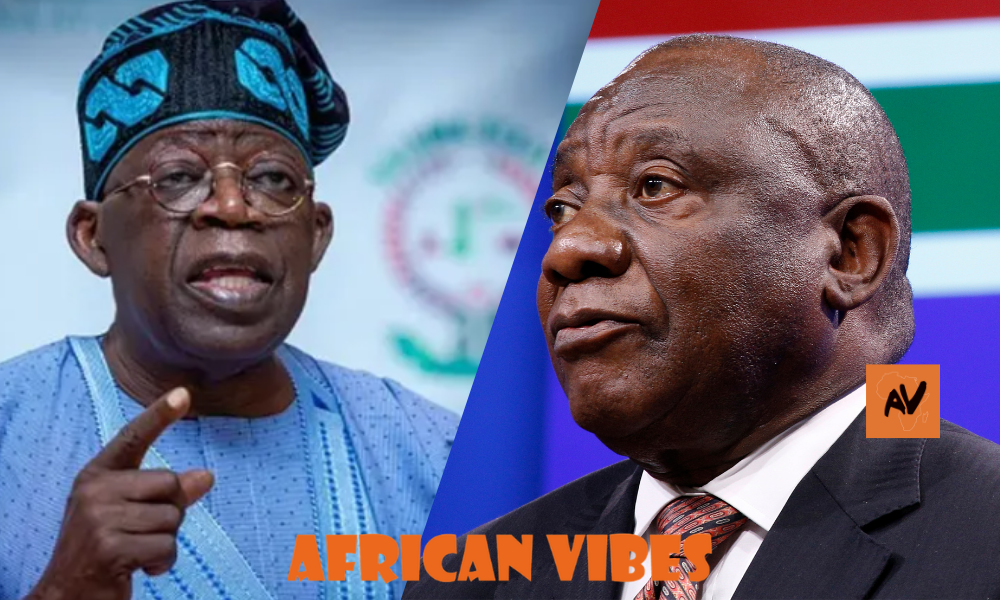
Nigeria has been conducting voluntary evacuation flights funded by President Bola Tinubu’s administration, with operations carried out by Air Peace.
More than 1,000 Nigerians have registered for evacuation, while hundreds have already returned to Lagos in several phases.
Officials say additional flights will continue as long as citizens request assistance.
The evacuation programme follows weeks of uncertainty created by anti-immigration groups that called for undocumented migrants to leave South Africa by 30 June.
Although South African authorities repeatedly stressed that the deadline had no legal status, many foreign nationals chose to leave after reports of intimidation, attacks and destruction of migrant-owned businesses.
Other African countries step up evacuations
Nigeria is not alone in responding to the crisis.
Several African governments have launched emergency measures to protect their citizens.
Malawi has overseen one of the region’s largest repatriation operations after thousands of its citizens sought shelter while awaiting transport home.
Zimbabwe has also repatriated thousands of nationals, while Ghana, Uganda and Mozambique have organised evacuation programmes or advised citizens to leave high-risk areas.
Kenya, the Democratic Republic of Congo and Lesotho have urged their nationals to remain indoors and avoid demonstrations while monitoring developments.
The coordinated response reflects growing concern across the continent about the safety of African migrants living in South Africa.
ALSO READ: U.S. Quietly Reverses Immigration Restrictions for Foreign Doctors
South Africa condemns violence
South African officials insist that immigration enforcement remains the responsibility of the state and have distanced themselves from calls by activist groups demanding the removal of undocumented migrants.
Home Affairs Director-General Tommy Makhode has said the widely publicised 30 June deadline does not represent government policy, stressing that South Africa’s Constitution protects everyone living within the country regardless of nationality.
President Cyril Ramaphosa has also condemned violence targeting foreign nationals, warning that those responsible will face prosecution.
The United Nations has expressed concern over reports of xenophobic attacks, harassment and intimidation against migrants, urging authorities to ensure the safety of all communities.
Despite those assurances, many foreign nationals say fear of further violence has convinced them to return home voluntarily.
A recurring challenge
South Africa has experienced several major outbreaks of xenophobic violence over the past two decades, including deadly attacks in 2008, 2015 and 2019.
Analysts say the latest tensions have once again exposed deep economic and social pressures facing Africa’s most industrialised economy.
The country continues to struggle with high unemployment, rising living costs and persistent inequality, creating an environment in which migrants are often blamed for broader economic problems.
However, economists and migration experts argue that foreign nationals contribute significantly to South Africa’s economy through entrepreneurship, investment and labour, while official statistics show international migrants make up only a small proportion of the country’s overall population.
Diplomatic implications
Nigeria’s decision to pursue compensation could reshape how African governments respond to future incidents involving their citizens abroad.
If discussions with Pretoria move forward, it would represent one of the most significant attempts by an African government to seek financial restitution for citizens who suffered losses during xenophobic unrest in another African country.
The issue also places renewed attention on relations between Nigeria and South Africa—Africa’s two largest economies—which have historically enjoyed close political and commercial ties despite periodic diplomatic tensions.
For many observers, the latest crisis raises broader questions about Pan-African solidarity and the protection of migrants within the continent.
What happens next?
Evacuation flights are expected to continue as governments assess the security situation on the ground.
Nigeria is continuing to collect evidence from returning citizens while preparing potential diplomatic discussions over compensation.
Whether South Africa ultimately accepts responsibility for losses suffered by foreign nationals remains uncertain.
What is clear is that the latest wave of xenophobic unrest has once again highlighted one of Africa’s most persistent challenges: balancing domestic economic pressures with the rights and protection of millions of migrants who have built lives across the continent.
As African governments coordinate evacuations and call for greater accountability, the coming weeks may determine whether the crisis leads only to another cycle of diplomatic tension—or to lasting changes in how migrant communities are protected across Africa.